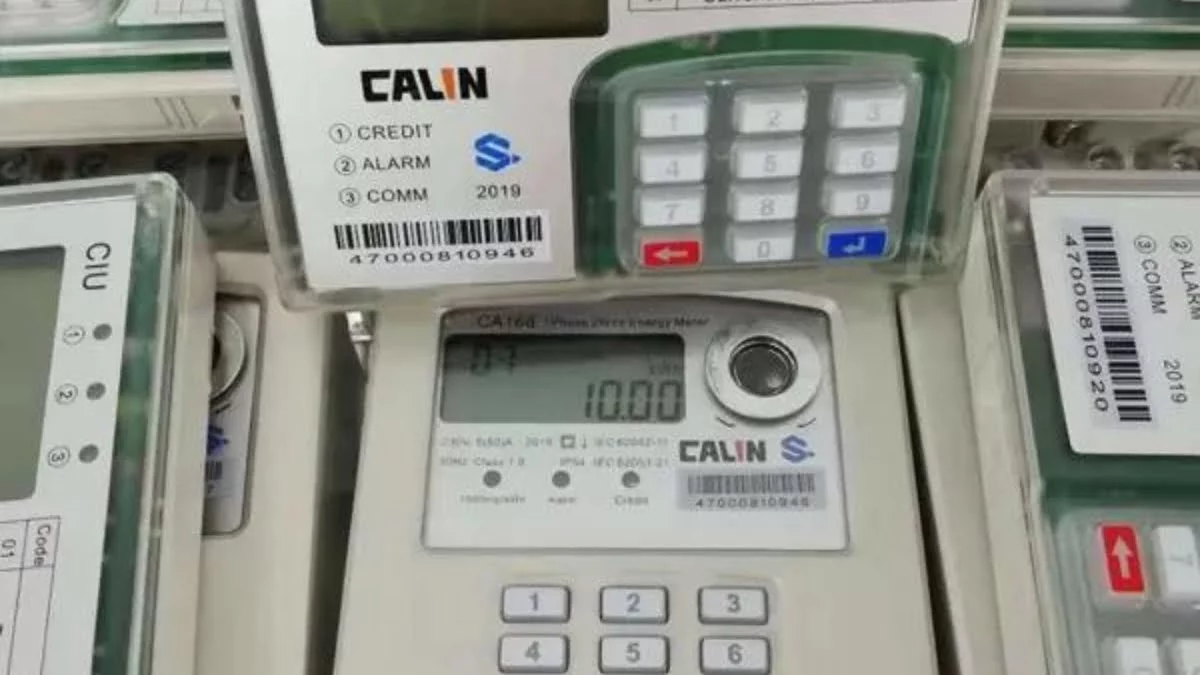

Kenyans will face higher power bills this month after the Energy and Petroleum Regulatory Authority (EPRA) introduced three additional charges in its latest tariff review.
In a Gazette Notice issued on Friday, EPRA announced that electricity costs for April 2026 will be adjusted to include a Foreign Exchange Fluctuation Adjustment, a Water Resource levy, and a Fuel Energy Cost Charge (FECC)—all of which will directly impact monthly bills.
The forex adjustment will add 123.41 cents per kilowatt-hour (kWh), reflecting exchange rate movements affecting power producers and distributors, including Kenya Electricity Generating Company, Kenya Power, and Independent Power Producers (IPPs).
The adjustment is based on exchange-related costs recorded in March 2026, which exceeded Sh1.3 billion.
Consumers will also incur a Water Resource Management Authority (WRMA) levy of 1.54 cents per kWh, applied to electricity generated from hydropower stations.
These include key dams such as Gitaru, Kiambere, and Masinga, which supply a significant share of the country’s electricity.
The biggest increase comes from the Fuel Energy Cost Charge, which adds 347 cents per kWh.
This charge reflects the cost of fuel used in electricity generation, particularly from diesel and thermal plants that support the national grid during peak demand or low hydropower output.
EPRA Acting Director-General Joseph Oketch said the adjustments are necessary to reflect the actual cost of generating and supplying electricity amid fluctuating fuel prices and currency shifts.
“These adjustments ensure that the energy sector remains sustainable while maintaining reliable power supply to all Kenyans,” Oketch stated.
The combined effect of the three charges means consumers will pay an additional 471.95 cents per kWh on their April electricity bills.
For an average household consuming 200 kWh per month, this translates to an increase of approximately Sh944 in their monthly power bill.
The new charges come at a time when many Kenyan households are already grappling with the rising cost of living, raising concerns about affordability and the impact on small businesses that rely heavily on electricity.
Consumer advocacy groups have called for greater transparency in how these charges are calculated and have urged the government to explore measures to cushion vulnerable households from the impact of rising electricity costs.