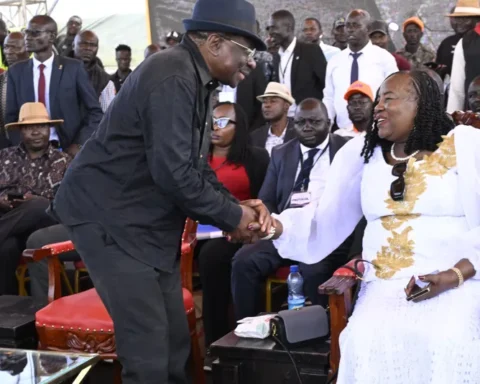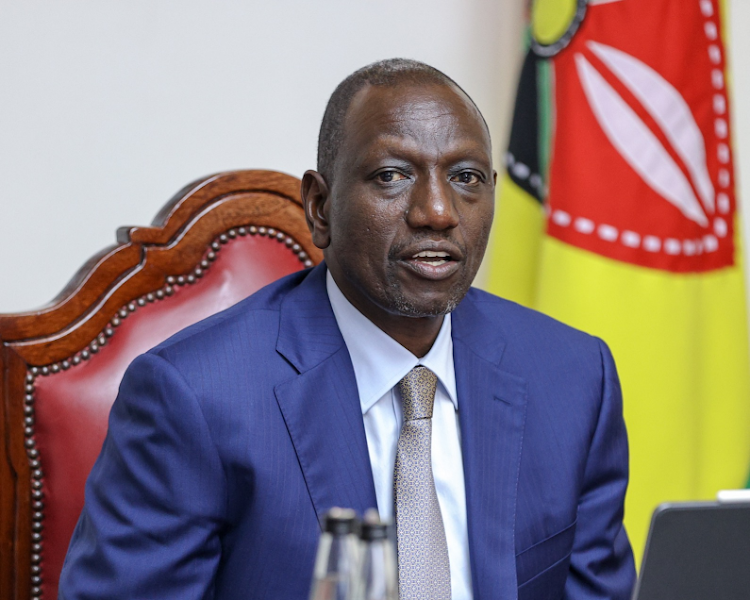

When President Ruto announced a new move to address undocumented people living and doing business in Kenya in this case hawking in the streets, idle opposition leaders jumped on their feet to scream loudest, condemning the move as a threat to the country.
Sadly for the opposition leaders, undocumented immigrants in Kenya do not vote so they were going to get nothing from them and all of a sudden, the big story was about corruption in Kenya and high taxes or anything else that could give them some audience for at least half a day. The opposition leaders were desperately lining up to be in the news attacking Ruto and his government.
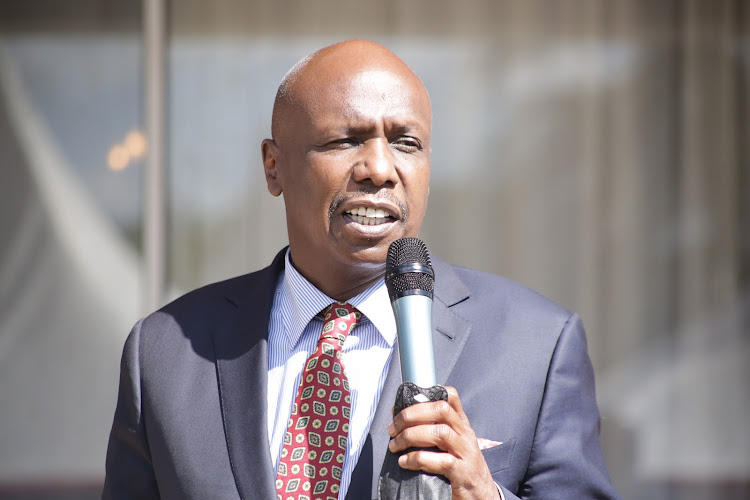
First to jump on the new hope train for the opposition was Kalonzo Musyoka.
Kalonzo accuses Ruto of manufacturing crisis in foreign hawkers crackdown

Kalonzo: Government handling crackdown chaotically
Kalonzo criticized the government for what he described as a chaotic implementation of the directive, pointing to scenes at the Burundian Embassy in Nairobi as evidence of the lack of adequate planning.
“Hundreds of small-scale traders scrambling for emergency travel documents outside the Burundian Embassy in Nairobi this week, ahead of a government deadline, tell you everything about how this crackdown has been handled,” he said.
‘Foreign traders are not the real threat’
Kalonzo argued that the government was focusing on foreign traders while failing to address what he considers deeper problems affecting Kenyan small businesses.
“The real threats facing our small traders are corruption, an unpredictable working environment including this regime’s erratic tariffs and taxation policies, and the pre-election tensions being deliberately stoked by the outgoing regime, not the presence of foreign traders alone,” he said.
Next in queue was Martha Karua finally finding a voice to say something in her campaign for 2027.
Martha Karua hits out at Ruto over foreigners crackdown, accuses govt of Xenophobia

In the news, Martha Karua sharply criticized what she called crackdown on foreign nationals operating small-scale businesses in Kenya, accusing the government of promoting xenophobia and collective punishment.
Karua: ‘Law enforcement is not collective punishment’
Karua said Kenya has the sovereign right to enforce immigration, work-permit and business laws but insisted that enforcement must target individuals who violate the law rather than entire nationalities.
“We recognise the sovereign authority and constitutional responsibility of the Government of Kenya to enforce immigration, citizenship, work-permit and business laws. Persons who violate those laws should be dealt with individually and through established legal procedures,” she stated.
“But law enforcement is not collective punishment.”
She argued that foreigners should not be turned into scapegoats for Kenya’s economic challenges, including unemployment, the rising cost of living and failures in economic policy.
Even poor Maraga a very respectable politician who is virtually invisible in the opposition had to jump in because this was the big one to finally give him a platform.
Maraga accuses Ruto of scapegoating foreign traders for Kenya’s economic crisis

“This is scapegoat policy,” Maraga said, arguing that the economic hardship facing Kenyan traders cannot reasonably be blamed on foreign nationals operating small businesses.
‘Close every foreign-run stall tomorrow’
Maraga acknowledged that Kenyan small-scale traders are facing severe economic pressure but rejected the argument that removing foreign competitors would solve the underlying problems.
“Kenyan traders are drowning, and that pain is real. But close every foreign-run stall tomorrow, and the price of maize does not move by one shilling, because the cartel that sets it is Kenyan and it has friends in government,” he said.
He argued that the government’s attention should instead focus on structural challenges facing local businesses.
“What killed Kenyan small businesses this year is a matter of public record: pending bills the state refuses to pay, county licence fees that rise without service, credit no trader can carry, and a revenue authority that pursues a mama mboga while fortunes leave the port undeclared,” Maraga said.
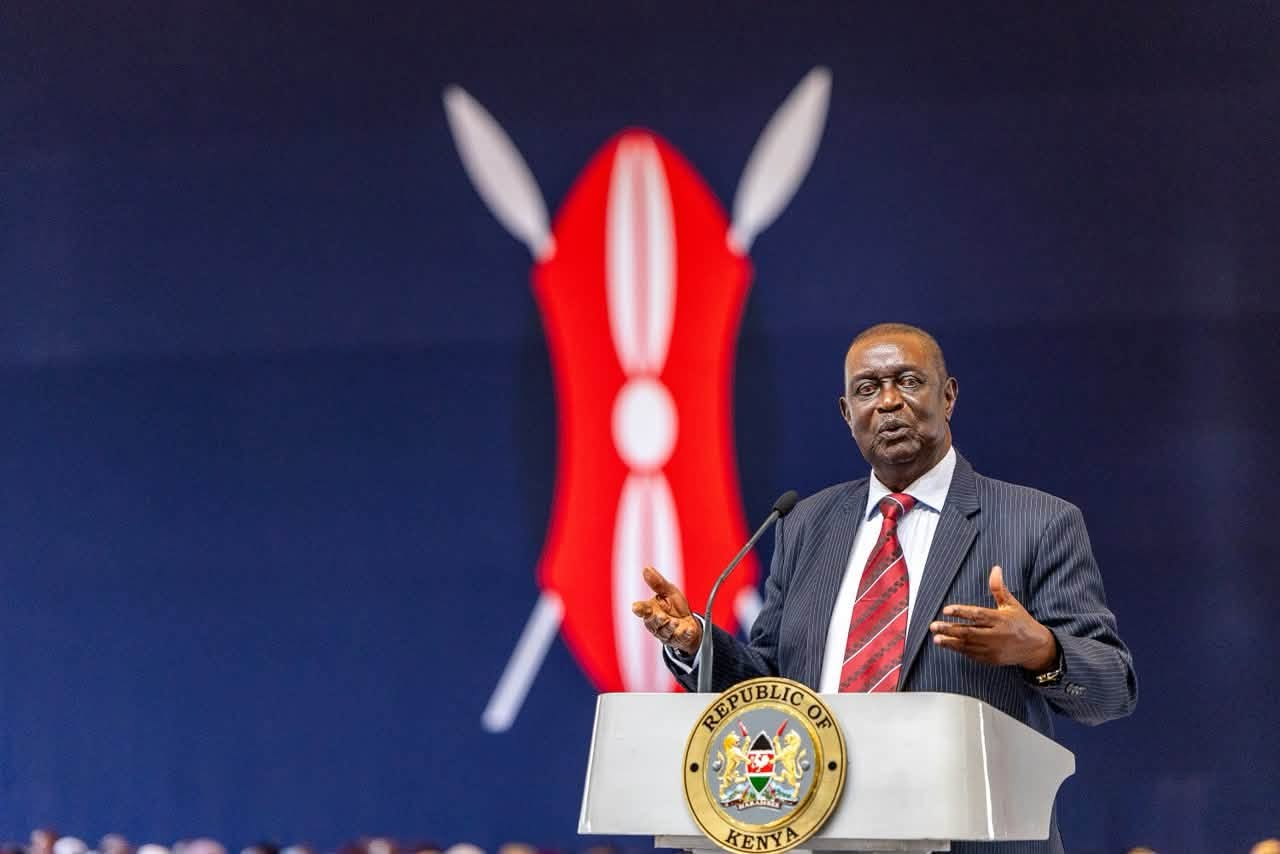
Then all of a sudden much to the chagrin of opposition leaders hopeful on something to grasp on for publicity when they have nothing else to talk to Kenyans about are shocked when Government Spokesperson Charles Owino comes up with a very sensible and practical plan the government is using to deal with undocumented immigrants seeking to make a living in Kenya.
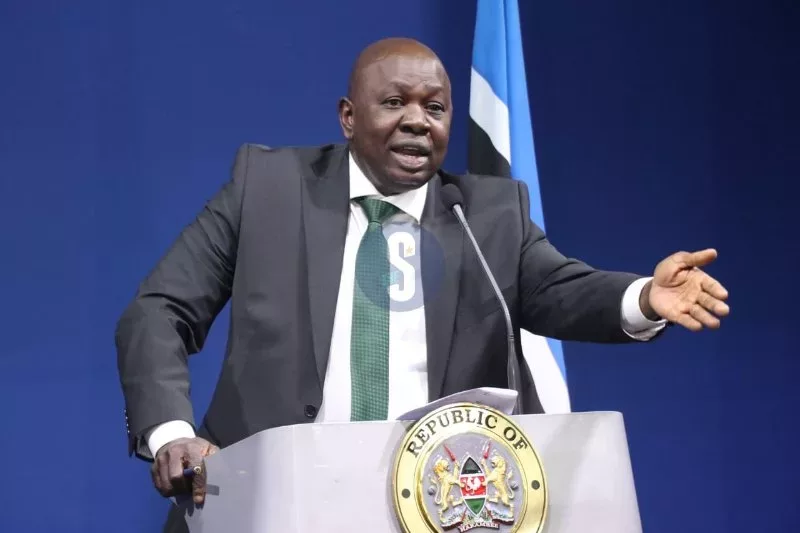
Government Spokesperson Charles Owino said the government is establishing a formal documentation and registration window for undocumented East African Community nationals, with specific attention to Burundian citizens.
Undocumented Burundian nationals living in Kenya will be allowed temporary legal protection as the government moves to regularise their status.
Owino said those affected should present themselves to their respective High Commissions or Embassies for formal identity registration.
“We call upon all undocumented East African Community nationals, and specifically Burundian citizens currently residing in Kenya, to immediately present themselves to their respective High Commissions or Embassies for formal identity registration,” Owino said.
He said the Ministry of Foreign Affairs will work with the Embassy of Burundi and other regional partners to manage and regularise the cases.
During the designated registration period, individuals undergoing the process will be presumed to be legally present in Kenya, according to the government.
The arrangement is intended to enable those undergoing registration to access health, banking and legal protections without fear.
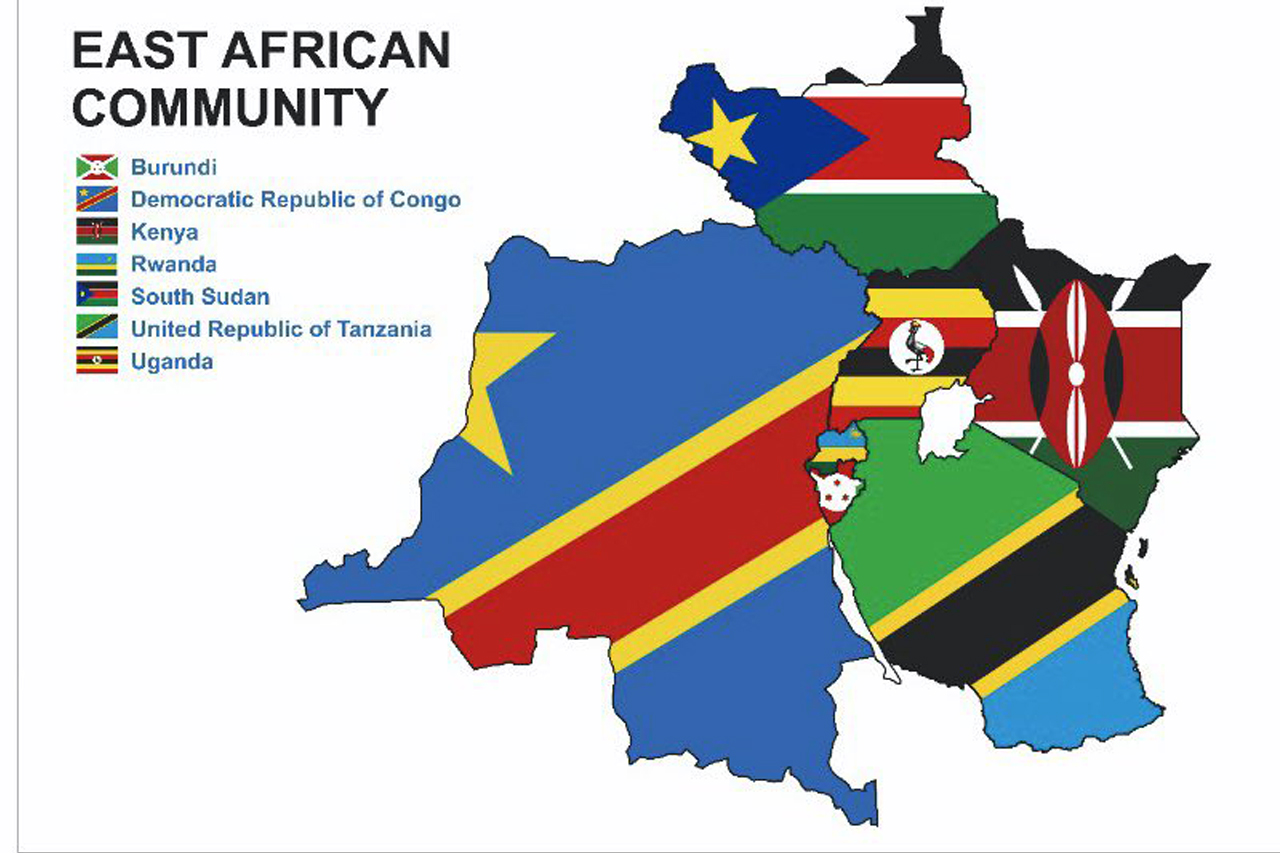
Owino said the government recognises that some East African nationals have been living and operating in Kenya without full documentation due to historical circumstances and regional dynamics.
He said lack of documentation can leave affected individuals vulnerable to exploitation, health emergencies and harassment by law enforcement.
The government also warned against harassment, intimidation and xenophobia targeting foreign nationals.
“In many instances, this lack of documentation leaves these individuals vulnerable to exploitation, health emergencies, and unnecessary harassment by law enforcement. We recognize and deeply appreciate the rich contributions made by East African nationals, particularly our Burundian brothers and sisters, to Kenya’s trade, culture, and socio-economic fabric,” he said.
Owino directed national security agencies, local authorities and businesses not to subject foreign nationals, including those undergoing registration, to arbitrary harassment or discrimination.
He said anyone seeking to use the recent immigration and trade directives to fuel xenophobic sentiment or mistreat Kenya’s neighbours would face the full force of the law.
The government said it is also strengthening monitoring of migrant safety in urban centres in partnership with civil society networks and humanitarian organisations.
Owino said the measures should not be interpreted as a blanket ban on foreign nationals.
He reaffirmed Kenya’s commitment to the East African Community Common Market Protocol, saying the country’s relationship with its regional neighbours remains anchored on shared history, culture and economic ties.
State gives foreign traders 90 days to regularise business status
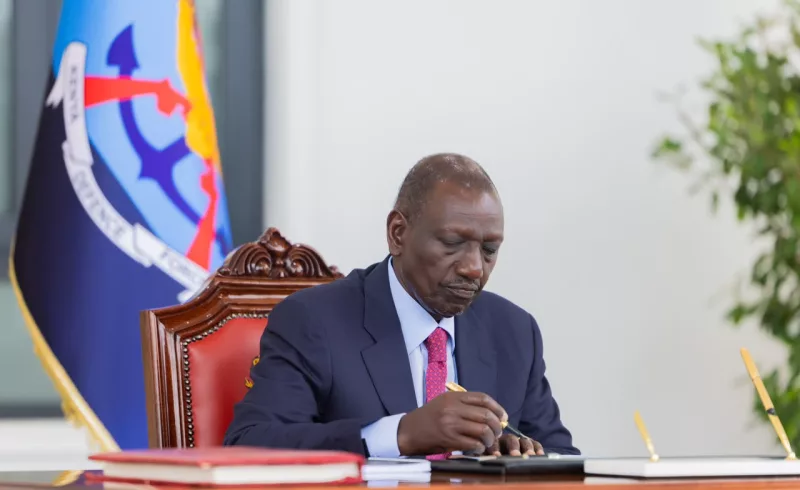
The government has given foreign nationals conducting businesses in Kenya 90 days to regularize their immigration, work permit, registration and licensing status.
State House Spokesperson Hussein Mohamed said the regularisation exercise will follow President William Ruto’s declaration that certain small-scale businesses should be reserved for Kenyans as the government moves to protect economic opportunities in the micro and small-enterprise sector.
“Over the next 90 days, the government will conduct an orderly regularisation exercise to facilitate compliance,” Mohamed said in a statement.
He said the exercise will be coordinated by relevant government agencies in consultation with the embassies concerned, giving affected foreign nationals an opportunity to regularise their immigration status and business operations.
Mohamed said every person conducting business in Kenya is required to comply with applicable immigration, work-permit, registration and licensing requirements.
“During the 90-day period, government agencies will provide guidance and administer the requirements “fairly, consistently and without discrimination,” he said.
“At the conclusion of the 90-day regularisation period, immigration, work-permit, registration and licensing requirements will be enforced firmly and strictly in accordance with the law and due process,” Mohamed said.
“Kenya will protect economic opportunities for its citizens, especially within the micro and small-enterprise sector, while remaining open to lawful foreign investment, enterprise and employment,” Mohamed said.
Adongo Ogony is a Human Rights Activist and a Writer who lives in Toronto, Canada