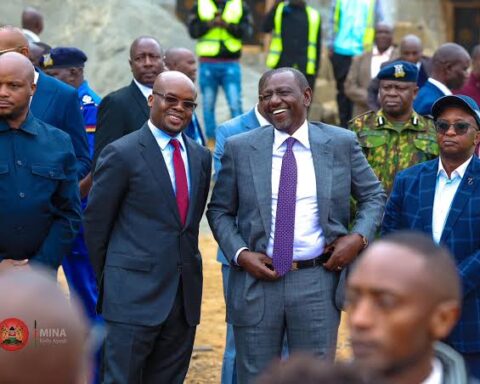

A four-hour closed-door meeting between President William Ruto and national transport leaders at State House Mombasa on Monday ended a planned nationwide matatu strike, but the agreement has left the transport sector bitterly divided and triggered localized chaos across Kenya.
While top officials from national transport associations agreed to call off the strike entirely, grassroots matatu operators, drivers, and owners have accused their leaders of betrayal, claiming the deal failed to address the crippling fuel prices and taxes that sparked the industrial action in the first place.
The Mombasa Agreement
President Ruto secured commitments from national transport association officials to cancel the strike after offering limited concessions. The government promised a reduction in diesel prices during the upcoming June fuel review and suspended an order revoking the fuel subsidy for one month to allow for further negotiations.
However, the president firmly rejected the transport sector’s core demands: repealing petroleum taxes and lowering the current fuel VAT. Ruto stated that such measures would severely hurt revenue collection and compromise service delivery across the country.
Grassroots Backlash
The agreement has triggered fierce criticism from rank-and-file operators who feel their leaders sold them out in a “boardroom deal” made behind closed doors.
“Our national officials went to Mombasa and came back with nothing that helps us on the ground,” said a matatu owner in Nyeri who requested anonymity. “Without removing fuel taxes, we cannot afford to run our businesses. This was a betrayal.”
Drivers and owners argue that high operating costs remain unchanged, leaving them trapped between unsustainable expenses and passengers who are refusing to pay increased fares.
Transport Paralysis Continues
Despite the official strike cancellation, major disruptions erupted across several regions on Tuesday morning. Towns including Nyeri, Karatina, Embu, Chuka, Nyahururu, and sections of Thika Road experienced serious transport paralysis.
Disillusioned operators and demonstrators blocked major highways early in the morning, forcing many drivers to abort their trips. Hundreds of commuters were left stranded, while operators suffered severe financial losses.
In areas where matatus resumed operations, passenger backlash added to the confusion. Commuters heavily resisted newly increased fares, putting crews in an impossible position between covering costs and maintaining ridership.
A Sector Divided
The rift between national transport leadership and grassroots operators has exposed deep fractures within Kenya’s matatu industry. While association officials hailed the Mombasa meeting as a breakthrough, the reality on the ground tells a different story—one of confusion, anger, and continued economic hardship.
As the June fuel review approaches, all eyes will be on whether the government’s promised diesel price reduction will be enough to heal the divide, or whether Kenya’s transport sector remains on the brink of further unrest.