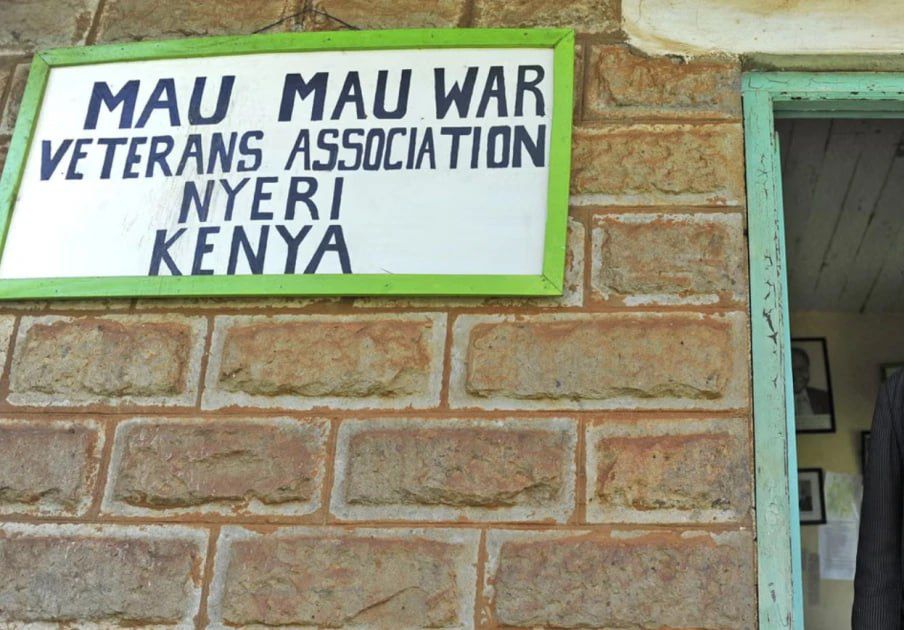

Renewed outrage has erupted in Kenya following recent actions by British officials, with the Mau Mau War Veterans Association accusing the United Kingdom of perpetuating a long-standing pattern of avoiding full responsibility for both historical and ongoing injustices.
Tensions intensified after a March 25, 2026 vote at the United Nations General Assembly, where a resolution declaring the transatlantic slave trade the gravest crime against humanity passed with 123 votes in favour and three against. The United Kingdom abstained, while the United States, Israel, and Argentina opposed the motion.
Shortly afterward, the UK political party Reform UK proposed denying visas to citizens of countries, including Kenya, that are pursuing slavery reparations. The move drew condemnation from Hilary Beckles, chair of the Caribbean Community Reparations Commission, who described the proposal as punitive and emblematic of enduring racial inequities.
For Mau Mau veterans, these developments echo Britain’s handling of colonial-era atrocities during the 1950s uprising, when thousands of Kenyans were detained, tortured, and killed. Although the UK government in 2013 paid £19.9 million in compensation to 5,228 survivors and expressed regret, it stopped short of accepting legal liability or committing to broader reparations.
The veterans’ association says similar patterns of neglect persist in Nanyuki, where the British Army Training Unit Kenya (BATUK) operates.
A Parliamentary inquiry concluded in November 2025 documented allegations of sexual abuse, deaths caused by unexploded ordnance, environmental damage, and cases of children fathered by British soldiers and left without support. The unresolved case of Agnes Wanjiru, a 21-year-old whose body was found in a septic tank after she was last seen with British soldiers in 2012, remains a focal point of anger.
In November 2025, former British soldier Robert James Purkiss was arrested in the UK following an extradition request from Kenya. He denies the charges and is contesting extradition. Veterans argue that the 2021 UK-Kenya Defence Cooperation Agreement restricts Kenya’s ability to prosecute British personnel, effectively shielding them from local justice in certain cases.
In March 2026, Sir Roland Walker, head of the British Army, acknowledged that British soldiers had caused harm in Kenya and stated that justice “must be done and must be seen to be done.” The Mau Mau War Veterans Association dismissed the remarks as inadequate, calling them recognition without accountability.
With the defence agreement set for renegotiation later this year, the veterans are demanding reforms that would grant Kenyan courts jurisdiction over serious crimes involving foreign troops, establish independent oversight mechanisms, and ensure support for affected communities. They also insist that reparations be formally included in future bilateral discussions.
According to the association, genuine accountability is essential for restoring balance in Kenya–UK relations, warning that unresolved historical grievances will continue to cast a shadow over present-day cooperation.