

DCP Party Leader Rigathi Gachagua is facing renewed criticism from political opponents over his recent advocacy on drought relief and mitigation, with some senior figures claiming his own past undermines his credibility on the issue.
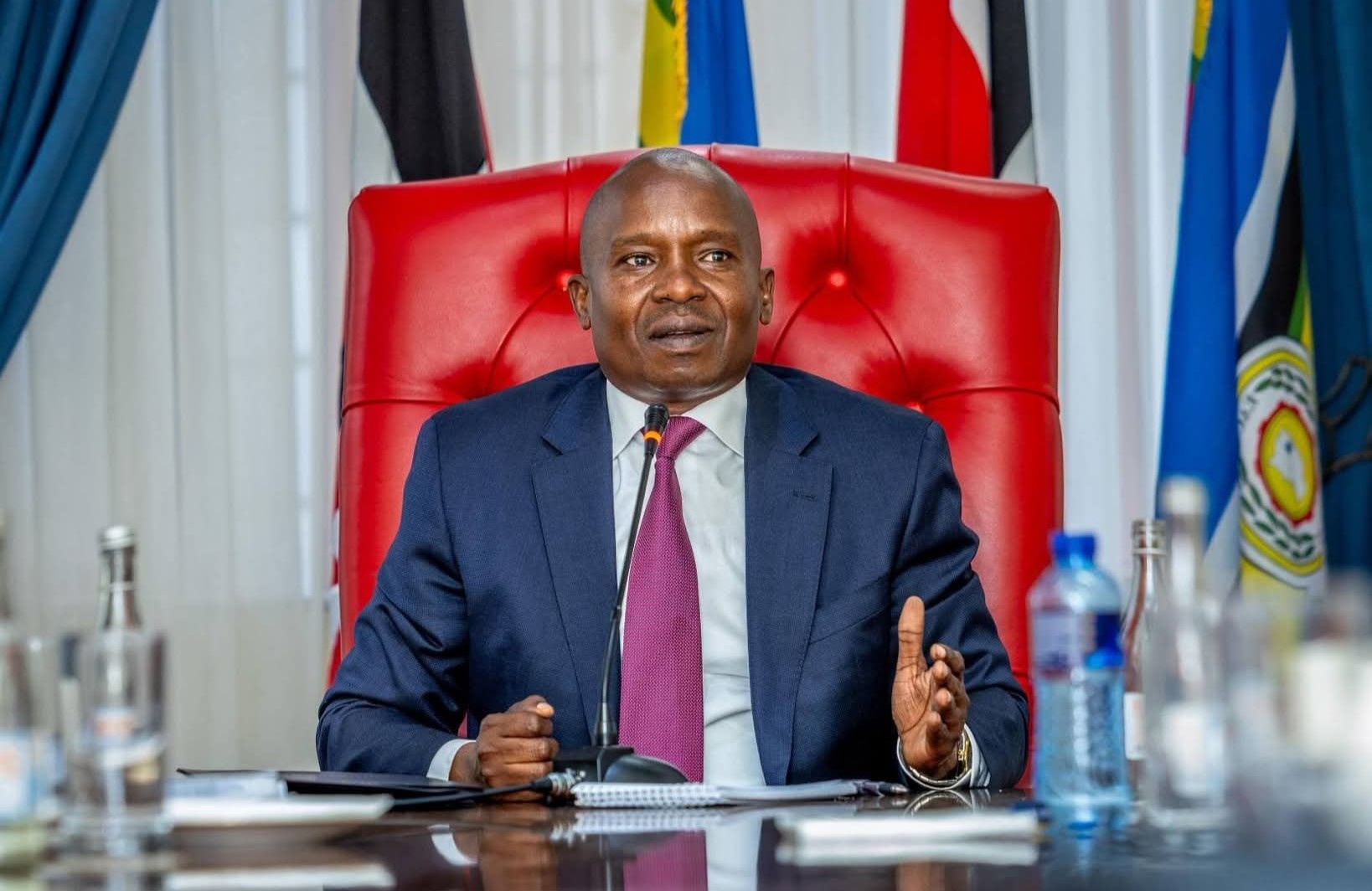
In a strongly worded public statement, Deputy President Kithure Kindiki said:
“You were sacked as a District Officer (D O) for stealing food meant for drought relief, you have no moral authority to give lectures on drought mitigation.”
The remarks refer to an episode from the mid‑1990s, early in Gachagua’s career in the civil service. Gachagua served briefly as a District Officer (DO), and multiple reports and public comments by government figures in recent years have linked his dismissal from that role to alleged issues in the handling of relief food supplies.
Former Interior Principal Secretary Karanja Kibicho publicly stated in 2022 that Gachagua was fired over mishandling of drought relief supplies during his time in the civil service.
The controversy centres on how drought relief food, intended for vulnerable communities during periods of severe dry spells, was distributed and accounted for in the districts where Gachagua served.
Critics say that consignments of food meant for drought‑affected residents disappeared or were not properly delivered to intended beneficiaries at the time, leading to allegations of mismanagement. Supporters of Gachagua dispute these claims and have pointed to the absence of court convictions as evidence that the matter has long been politically debated.
Despite this background, Gachagua has increasingly positioned himself in public discussions as a critic of current drought response efforts and an advocate for more effective mitigation strategies in arid regions such as North Eastern Kenya. His speeches and statements on the matter have drawn both support and sharp criticism.
Political analysts note that credibility is key when addressing humanitarian issues like drought relief, where public trust is essential. For critics, Gachagua’s past remains a focal point in questioning his authority to lecture on drought matters.
Supporters, meanwhile, argue the debate is politically motivated and that policy proposals should be considered on their merits.
The controversy highlights the complex interplay between historical public service records and contemporary political discourse — especially on issues that affect livelihoods and vulnerable populations across Kenya.