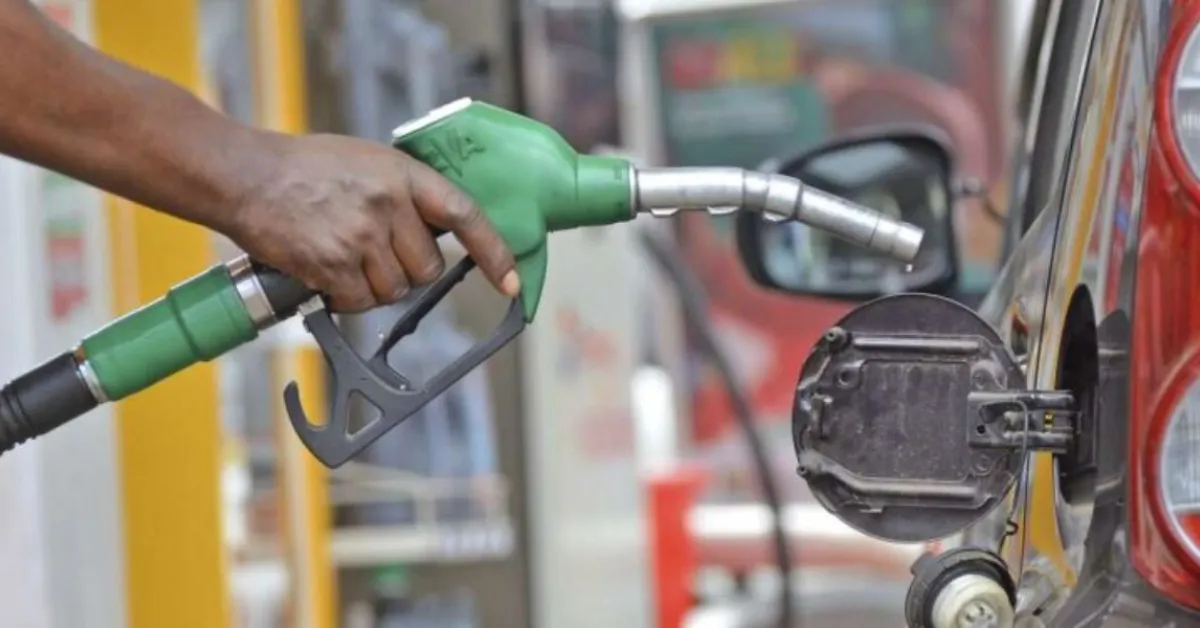

As fuel prices continue to rise across Kenya, frustration among wananchi is understandable. However, before the country turns the crisis into pure political blame games, Kenyans must honestly confront the deeper economic realities behind the problem and the difficult choices facing the government.
Part of the crisis is global. The ongoing tensions and conflict involving the United States and Iran continue to shake international oil markets. The world remains heavily dependent on oil passing through the Strait of Hormuz, one of the most important oil shipping routes globally. Whenever fears emerge over possible disruptions, global oil prices rise sharply. Kenya, as a net importer of fuel, has little control over these external shocks.
But the bigger challenge is Kenya’s own economic position. The country is already heavily indebted. For every Ksh 10 the government collects in revenue, nearly Ksh 7 goes directly into repaying debts and meeting mandatory obligations. This leaves only about Ksh 3 to run the country — including building roads, paying civil servants, buying medicine for hospitals, funding schools, connecting electricity, and expanding water projects.
The fuel situation becomes even more complicated because several fuel levies and infrastructure revenues have already been securitized. This means future collections were committed in advance to secure loans and repay debts. As a result, the government has very limited room to reduce levies or heavily subsidize fuel without creating a financing gap elsewhere.
This leaves Kenya with painful options. One option is to borrow more money to subsidize fuel and cushion citizens from rising costs. However, that would push the country deeper into debt and increase future repayment pressure.
The second option would be to default or fail to honor some securitized obligations and loan agreements. But the consequences would be severe: Kenya could face credit downgrades, reduced investor confidence, a weaker shilling, inflation, higher interest rates, difficulty accessing international loans, and delayed development projects.
The truth is simple. There is no easy solution. Kenya cannot stop the USA-Iran tensions or control global oil prices. The country must therefore have an honest conversation about sacrifice, debt, subsidies, and long-term economic stability.
This fuel crisis did not accumulate overnight, and it will not disappear through politics alone. It requires unity, realism, and collective responsibility from both leaders and citizens