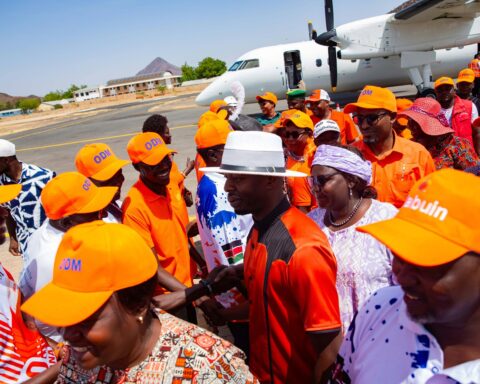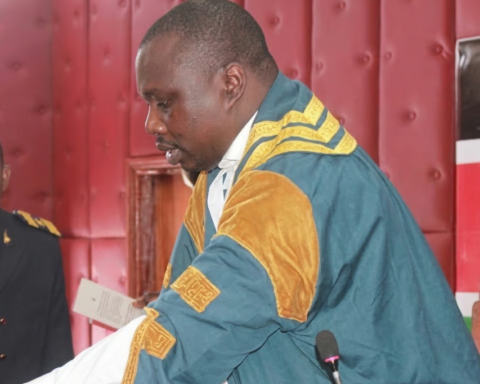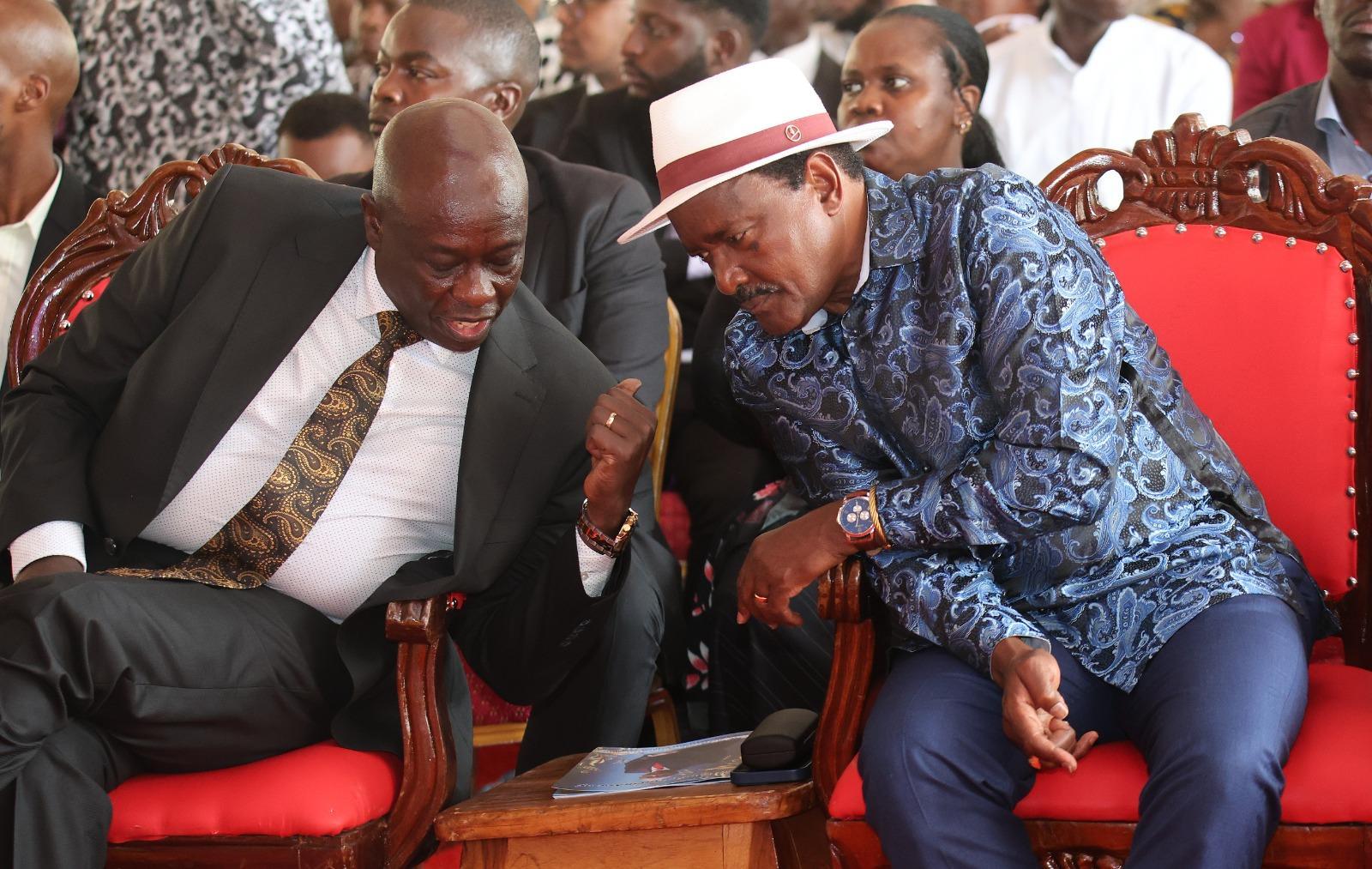

As the United Opposition group in Kenya stares around with no plans, no rallies, no events and never even a claim to having an agenda for Kenyans, they must look back to Saba Saba demonstrations 36 years ago when Kenyans being jailed and killed told dictator Moi, they were taking him out by any means necessary and they did that by forcing Moi to end one party rule in 1991.

What began in 1990 as a bold protest against the late President Daniel Arap Moi’s one-party rule has grown into a powerful symbol of resistance, citizen activism, and the ongoing fight for justice.
Saba Saba, meaning “Seven Seven”, represents the date July 7, and it serves as a strong reminder of the sacrifices made by Kenyans in the struggle for multiparty democracy.
History & Origin and Background
In 1990, Kenya was operating under a de facto one-party system led by the late President Daniel Arap Moi through the Kenya African National Union (KANU).
Political dissent was banned, and press freedoms were severely restricted. Additionally, public frustration increased, driven by economic mismanagement and the marginalization of certain communities.
On July 7, 1990, opposition leaders Kenneth Matiba, Charles Rubia, and Jaramogi Oginga Odinga convened a rally at Kamukunji Grounds in Nairobi to demand the return of multiparty democracy.
However, the government banned the rally, and protesters defied the ban, which led to widespread unrest across the city.
During the protest, riot police violently dispersed demonstrators, resulting in arrests, detentions without trial, and deaths. The events of that day became a turning point in Kenya’s fight for democratic reforms.
Significance of Saba Saba
The Saba Saba protests of 1990 marked a pivotal moment in Kenya’s democratic struggle, acting as a catalyst for multiparty democracy, putting immense pressure on President Moi’s regime.
This led to the repeal of Section 2A of the Constitution in 1991, allowing multiparty politics in Kenya.
The movement also emboldened civil society groups and youth activists, inspiring many to engage in political and governance debates. Over time, the day became a powerful symbol of people power and remains a key date for political reflection in Kenya.
In the year 1990, environmentalist Wangari Maathai emerged as a vocal critic of government repression, mobilizing women to defend freedoms.
As the decade progressed, other leaders joined the movement. In 1997, Koigi wa Wamwere led rallies against election rigging, while Raila Odinga called for free and fair elections ahead of the polls. By 2001, Raila was again at the forefront, challenging President Moi’s regime and advocating for constitutional reforms.
With the change of government in 2003, protests shifted toward new demands. Wangari Maathai led a march calling for environmental justice and land restitution, while Paul Muite campaigned for a constitution that reflected the will of the people.
In 2005, during the constitutional referendum, James Orengo, Paul Muite, and Raila Odinga campaigned for a “No” vote, opposing the proposed draft constitution.
After the violent 2007 elections, Maina Kiai led a solemn vigil in 2008 for victims of post-election clashes.
Following the adoption of the new Constitution in 2010, Ndung’u Wainaina and Gladwell Otieno hailed it as a major milestone toward the goals envisioned by Saba Saba pioneers.
In later years, other activists took center stage with Gladwell Otieno leading protests in 2013 against police brutality and land injustices and Boniface Mwangi mobilized youth in 2014 against corruption and extrajudicial killings.
In 2016, human rights lawyer Harun Ndubi led a protest against police killings and was later arrested.
The COVID-19 era in 2020 Boniface Akumu organized protests in Mathare and Kayole against police brutality and economic exclusion during lockdowns, while Gacheke Gachihi condemned the killings of youths in informal settlements.
In 2021, Jerotich Seii led a symbolic Saba Saba protest walk under the slogan “We Are Tired”—a call for economic fairness.
In 2023, Raila Odinga led fresh protests against high taxes, unemployment, and electoral injustices. In 2024, Kenyans marked Saba Saba with a commemorative concert, honoring lives lost on June 25, 2024, protests.
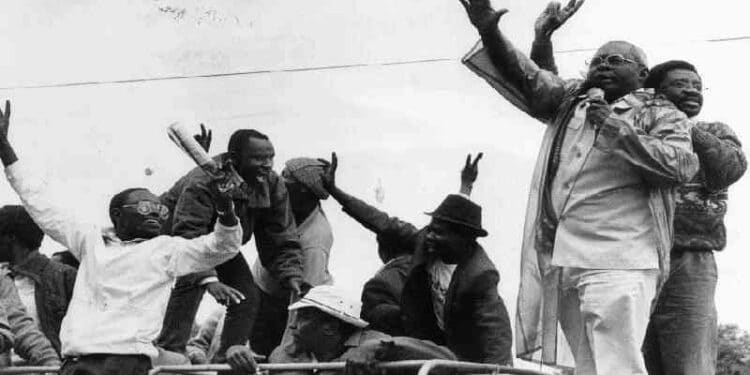
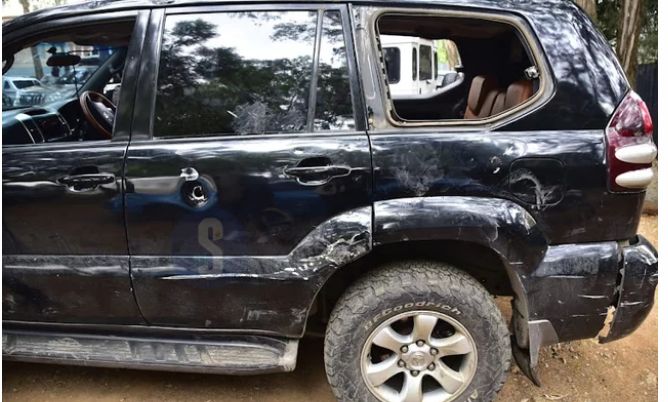
Raila Odinga brought Saba Saba back to the streets in 2023 against the Ruto government and almost got killed by Gachagua who was the DP before he was later impeached and was in charge of security operations in 2023 Saba Saba in which many Kenyans were killed.
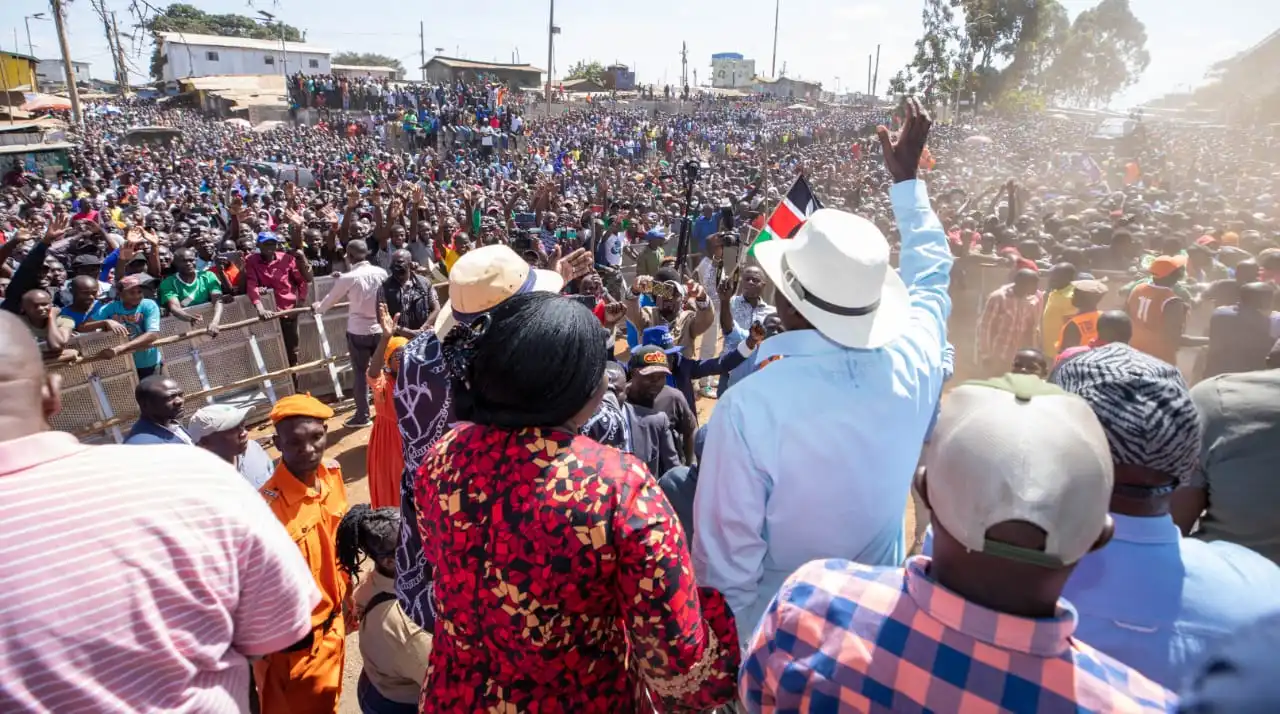
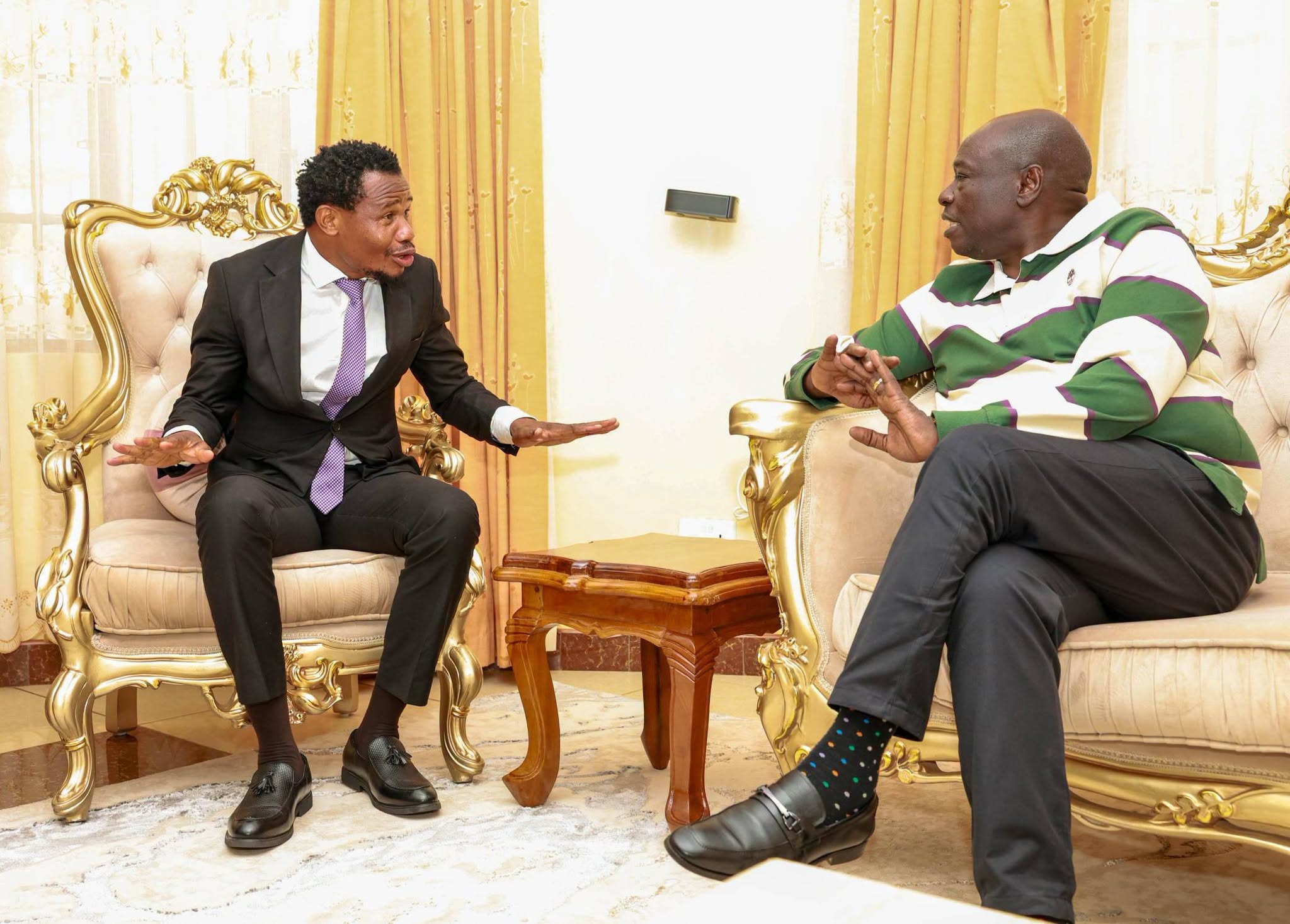
Today the Kenya opposition is lonely and helpless. Yes, the leaders go to the churches and attend every funeral they can get but that is the end of the story for them.
They don’t seem to have the faintest idea of what to do for Kenyans and it is getting to a point where Kenyans are saying they need to go to hell in a hurry. They offer Kenyans nothing and their WANTAM crap is getting tired even for them.
Kalonzo and Gachagua seem to have good and expensive watches in their hands. Is that good enough for the country? I doubt it.