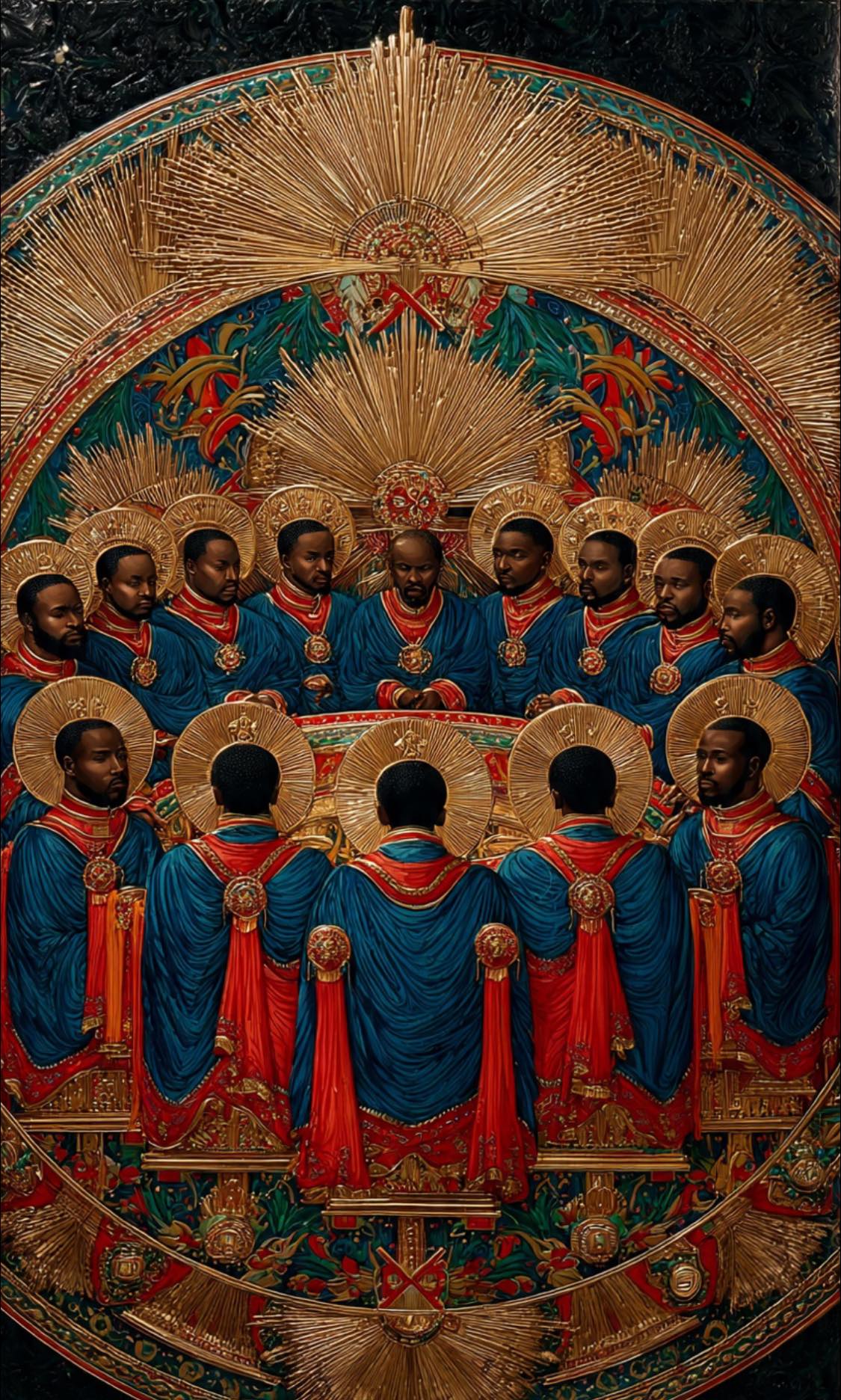

History offers a mirror, and in that reflection lies a painful truth: civilizations rise not through isolation, but through intelligent integration. The Greeks, once centuries behind the grandeur of ancient Kmt (Egypt), did not ascend by rejecting contact.
They studied, absorbed, and reinterpreted the knowledge of Kmt: mathematics, architecture, philosophy, and governance, until they surpassed their teachers.
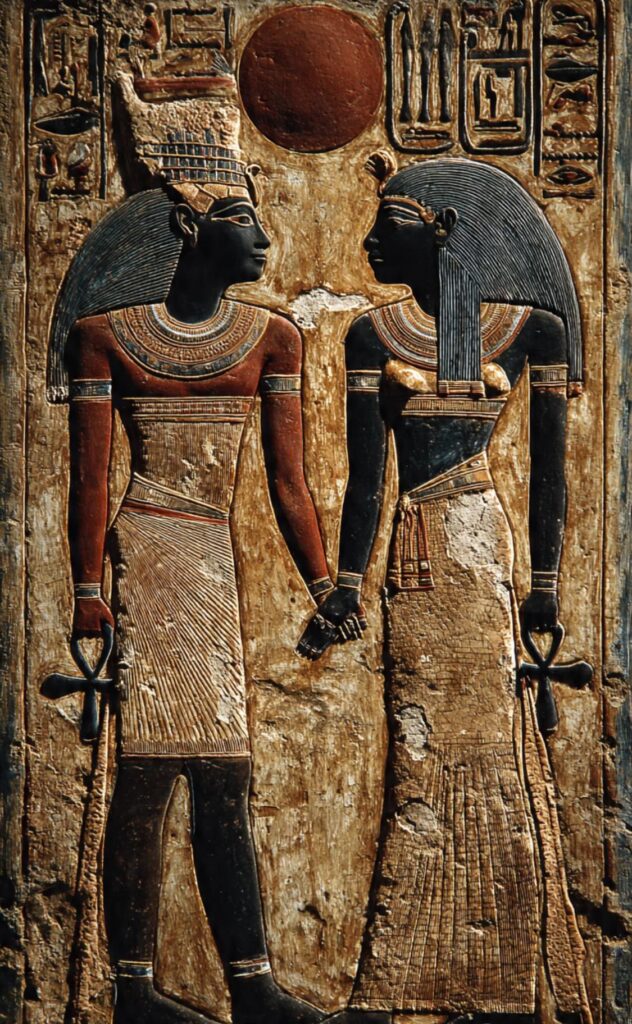
The Romans, in turn, absorbed Greek culture, engineering, and statecraft, refining them into the foundation of what is now called Western civilization. This was not accidental. It was strategic integration.
The tragedy of the modern African world, particularly here in the continent, is the failure to apply this same principle with discernment. Since the 1960s, the rhetoric of “separation” and “self-sufficiency” has often been confused with empowerment.
Yet, when a people are centuries behind in applied science, technology, and industrial infrastructure, isolation is not empowerment; it is stagnation. Integration, when done intelligently, is not submission; it is strategic learning. The Greeks did not worship Kmt; they studied it. The Chinese did not worship the West; they dissected it.
China’s modern rise is a masterclass in selective integration. The Chinese opened their doors to Western corporations, but only under strict conditions.
They created coastal enterprise zones where foreign companies could operate, but only in joint ventures that required technology transfer. They studied, reverse-engineered, and mastered the production processes. Once they learned, they phased out the foreign presence and built their own industries stronger, cheaper, and more efficient.
Today, China leads in applied science, engineering, robotics, and artificial intelligence. That is not luck. That is discernment.
By contrast, much of the African world and its diaspora absorbed the least useful aspects of Western culture, religious dogma, empty symbolism, and consumerist individualism, while neglecting the applied sciences, industrial planning, and technological mastery that underpin real power.
The result is a population that often celebrates imitation over innovation, and symbolism over substance. Greek fraternities and sororities, capitalist mimicry, and cultural nationalism have replaced the disciplined study of engineering, economics, and statecraft. The Chinese took the tools; Africans took the trinkets.
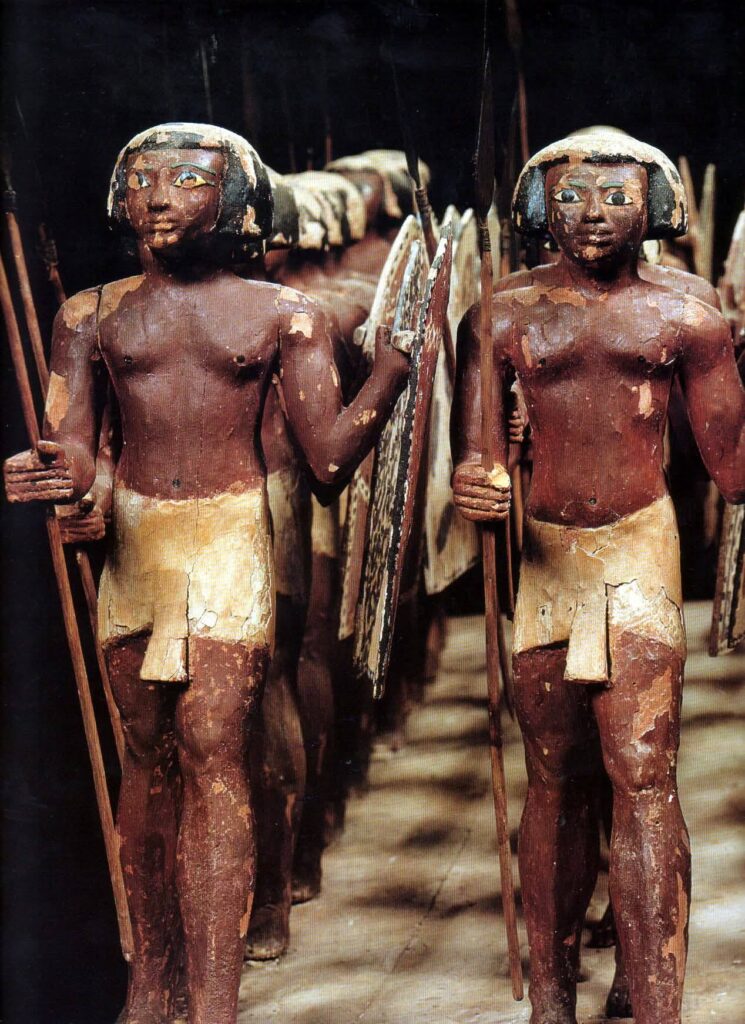
The argument that “we don’t need integration” is not only shortsighted—it is historically illiterate. No civilization has ever advanced in isolation. The Greeks integrated with Kmt. The Romans integrated with Greece. The Arabs integrated with Persia and India. The Europeans integrated with the scientific knowledge of the Islamic world. The Chinese integrated with the West. Integration, when guided by discernment, is the engine of progress.
The problem is not integration itself, but the lack of preparation and strategic thinking before engaging in it. Too often, African nations and communities enter global relationships unprepared, without a plan, and without the institutional capacity to extract value.
The result is predictable: exploitation, dependency, and disillusionment. Meanwhile, others—better prepared, more disciplined, more strategic—use the same opportunities to leap ahead.
The lesson from history is clear. Civilization is not inherited; it is engineered. The Greeks caught up to Kmt because they studied, absorbed, and applied. The Chinese caught up to the West because they integrated selectively and strategically.
If African nations and the diaspora are to close the gap, they must do the same, study the world’s best, integrate with discernment, and build institutions that convert knowledge into power.
Isolation breeds ignorance. Integration, guided by intelligence, breeds mastery. The Greeks proved it. The Chinese proved it. The question is whether Africans will finally learn it.