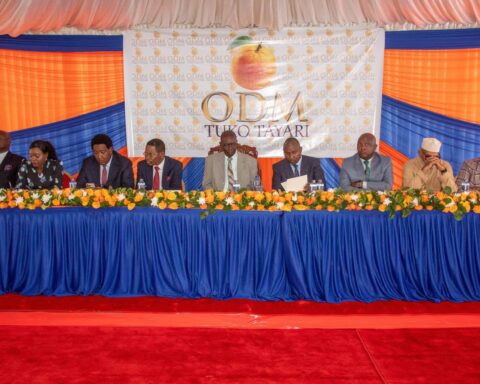

The death of Raila Amolo Odinga, Kenya’s most enduring opposition figure, has plunged the Orange Democratic Movement (ODM) into a familiar storm.
One that echoes the political ruptures of the 1990s. The party that once embodied reformist zeal and national unity now stands at a crossroads, torn between pragmatism and principle, between generational renewal and old-guard survival.
Historical Parallels: The Shadow of Jaramogi and the Ford Split
To understand ODM’s current turmoil, one must revisit the early 1990s, when Jaramogi Oginga Odinga’s death in 1994 triggered a similar succession crisis within the Forum for the Restoration of Democracy (FORD).
Then, as now, James Orengo was at the heart of the storm. The young reformist lawyer from Ugenya clashed with Raila Odinga over the direction of the party, accusing him of betraying Jaramogi’s ideals. The feud culminated in the split of FORD into Ford-Kenya and Ford-Asili, with Raila eventually breaking away to form the National Development Party (NDP) in 1996.
That episode marked the beginning of Raila’s long political odyssey, from NDP to KANU, then to the Liberal Democratic Party (LDP), and finally to ODM. Each transition was born of ideological tension, personal rivalry, and the perennial struggle to define the soul of Kenya’s opposition.
The New Divide: Pragmatists vs. Reformists
Three decades later, history appears to be repeating itself. Following Raila’s death, ODM has fractured into two main factions.
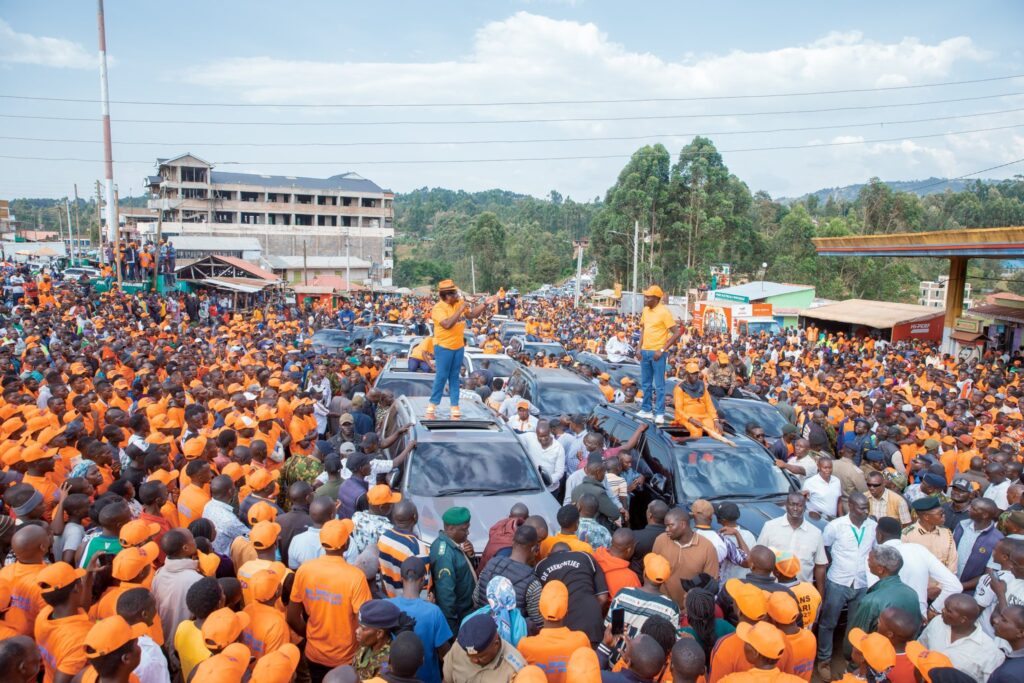
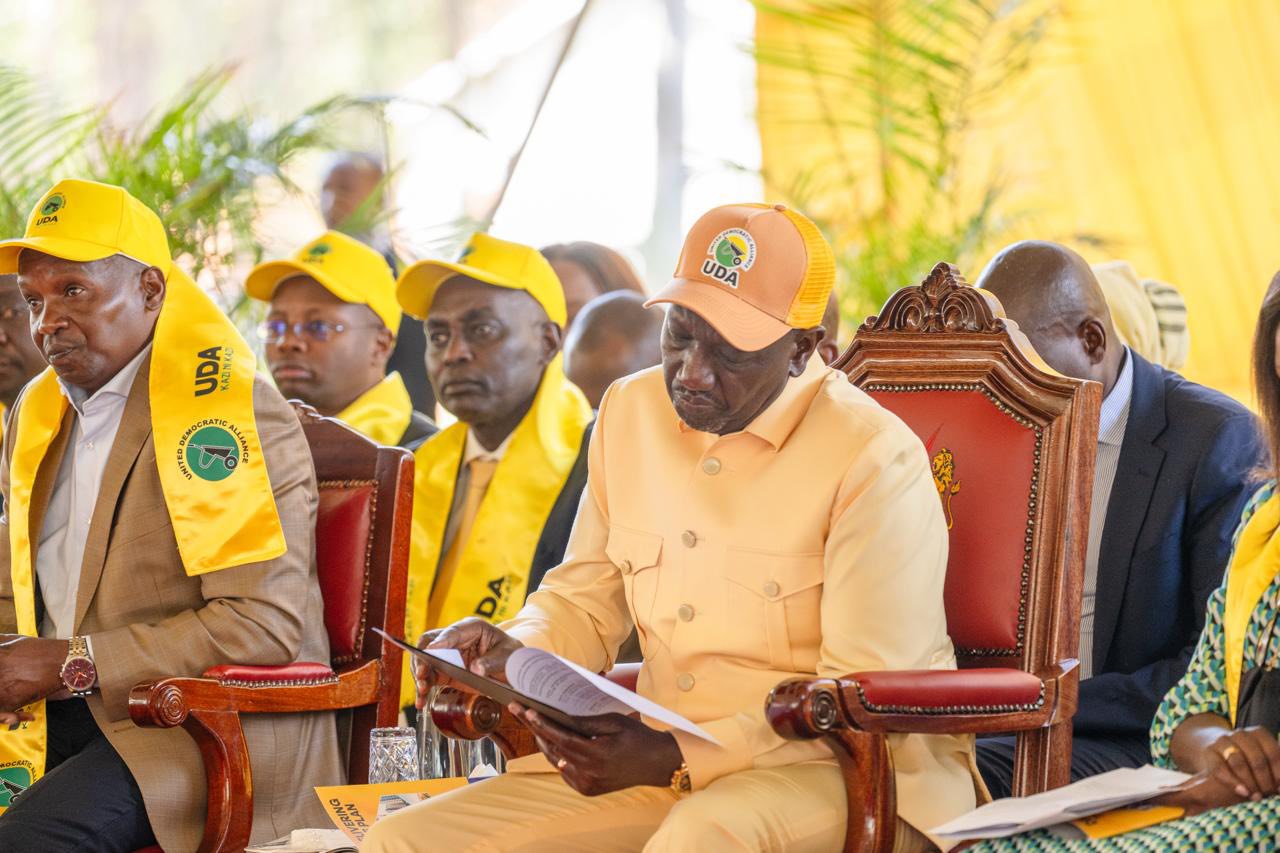
The pro-government bloc, led by Oburu Oginga, Homa Bay Governor Gladys Wanga, former Mombasa Governor Ali Hassan Joho, former Kakamega Governor Wycliffe Oparanya, and Minority Leader Opiyo Wandayi, has embraced a cooperative stance toward President William Ruto’s United Democratic Alliance (UDA). They argue that the proposed Broad-Based Government (BBG) pact offers ODM a seat at the table in shaping national policy and negotiating power-sharing arrangements ahead of the 2027 elections.
In contrast, the reformist faction, spearheaded by Siaya Governor James Orengo, ODM Secretary General Edwin Sifuna, Vihiga Senator Godfrey Osotsi, Embakasi East MP Babu Owino, and EALA MP Winnie Odinga, rejects any alliance with Ruto’s administration.
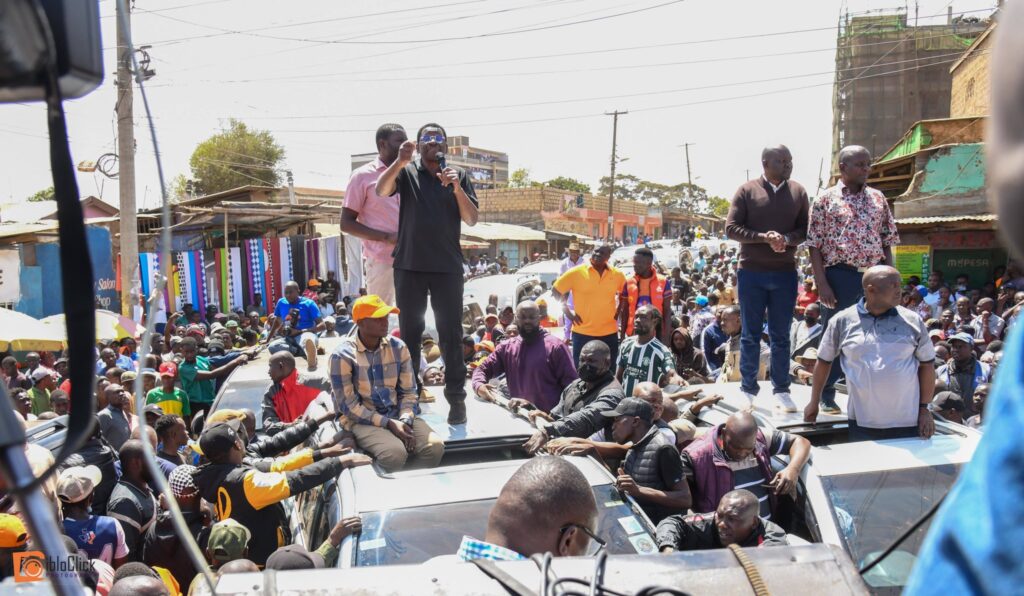
They insist that ODM must first honor the “conditions set out by the late Raila Odinga”, a reference to his insistence on electoral justice, constitutional reforms, and internal party democracy under the famous MoU with UDA and its 10-Point agenda.
The Kawangware Declaration
On Sunday, January 25, 2026, at a church service in Kawangware, Orengo delivered what many are calling the “Kawangware Declaration.”
In a fiery speech, he warned that any attempt to remove Edwin Sifuna as Secretary General would “destroy the party.” His remarks were widely interpreted as a direct challenge to Oburu Oginga’s faction, which has been pushing for a leadership overhaul to align ODM with the BBG pact.
Orengo’s defiance rekindled memories of his earlier confrontations with the Odinga family. In 2002, he ran for president on the Social Democratic Party (SDP) ticket, opposing Raila’s alliance with Mwai Kibaki’s National Rainbow Coalition (NARC).
Though his campaign faltered, Orengo’s dissent is a recurring theme in Kenyan politics: the tension between loyalty to the Odinga legacy and the pursuit of independent reformist politics.
Oburu’s Kisii Rally and the Battle for Legitimacy
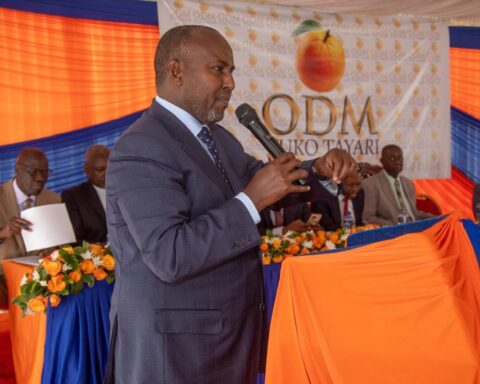
Meanwhile, the party leader Oburu Oginga seeks consolidate his faction’s legitimacy through public mobilization.
At a rally in Kisii, he defended the BBG pact as a pragmatic step toward national unity and the country’s economic stability. The Siaya senator accused Orengo’s camp of “clinging to nostalgia” and warned that isolation from government would render ODM politically irrelevant.
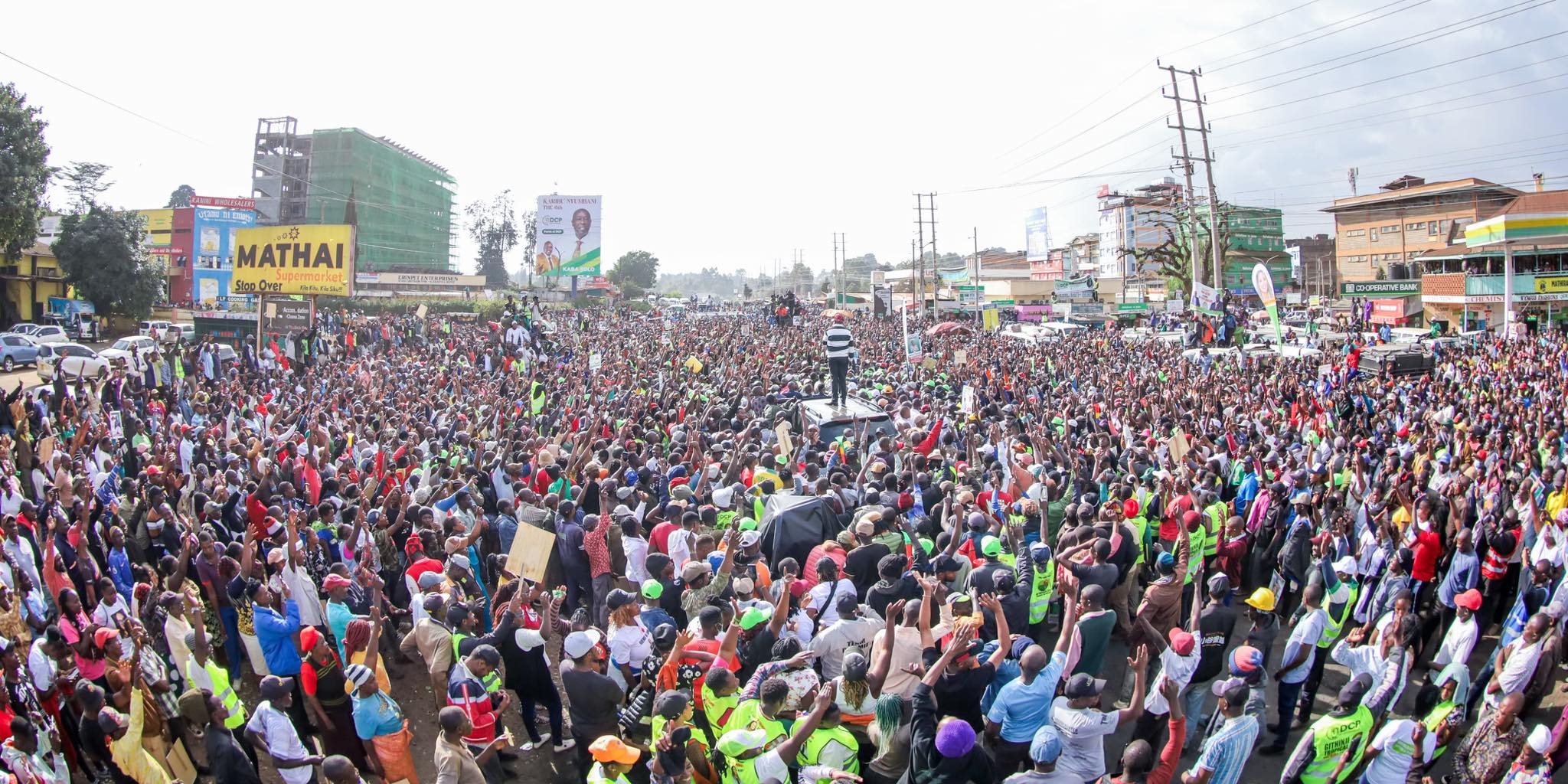
The Kisii rally laid bare the widening rift between the two ODM camps, one seeking accommodation with power, the other clinging to the moral high ground of opposition.
The Stakes for ODM and Kenya’s Political Future
The ODM split is more than a family feud or a power struggle; it is a test of Kenya’s opposition politics in the post-Raila era.
For two decades, Raila Odinga’s charisma and political acumen held together a movement of diverse interests: reformists, populists, and regional power brokers. Without his unifying presence, the ideological contradictions within ODM have resurfaced with full force.
If history is any guide, the outcome may mirror the Ford-Kenya schism of the 1990s: fragmentation, realignment, and the birth of new political movements. Orengo’s faction could evolve into a new reformist front, while Oburu’s bloc may merge into the ruling coalition, reshaping Kenya’s political landscape ahead of 2027.
The End of an Era, or Its Renewal?
ODM’s current crisis is both an ending and a beginning. It marks the twilight of the Odinga dynasty’s direct control over opposition politics, but it also opens space for a new generation of leaders to redefine what reform means in a changing Kenya. Whether James Orengo’s defiance will lead to renewal or repetition of past mistakes remains to be seen.
What is certain is that the ghosts of Jaramogi Oginga Odinga and his son, Raila Amolo Odinga, still haunt the Orange House, reminding Kenya that in politics, as in history, the past is never truly past.