
Ruto: Protest victims to receive compensation by June 2026
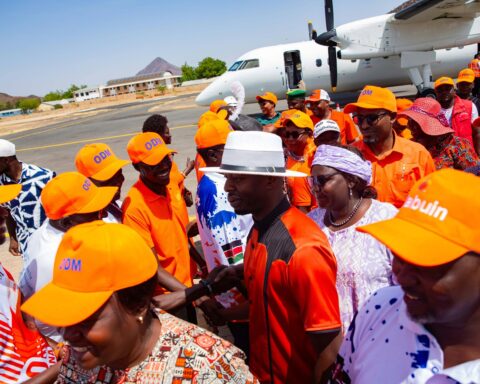
One very positive issue for Kenyans that was announced at the KICC meeting between President Ruto team and Dr. Oburu Oginga’s ODM party is that the process for the compensation for victims of state violence dating back to 2017 is commencing immediately and payments will be made in June this year.
The victims compensation deal was signed by William Ruto and Raila Odinga and it is great that it is not being allowed to fall on the wayside. In fact, very concrete plans are on the ground as we speak to get that job done to help Kenyans living with the consequences of state violence and their family members get the compensation they deserve to get on with their lives.
There are politicians out there screaming about so and so betraying Raila Odinga after his death. In reality there would be no bigger betrayal of Raila Odinga after his death than abandoning the compensation deal he personally negotiated with President Ruto. Thankfully that arrangement is now reaching conclusive stages. The victims of state violence will greatly appreciate this big victory for them.
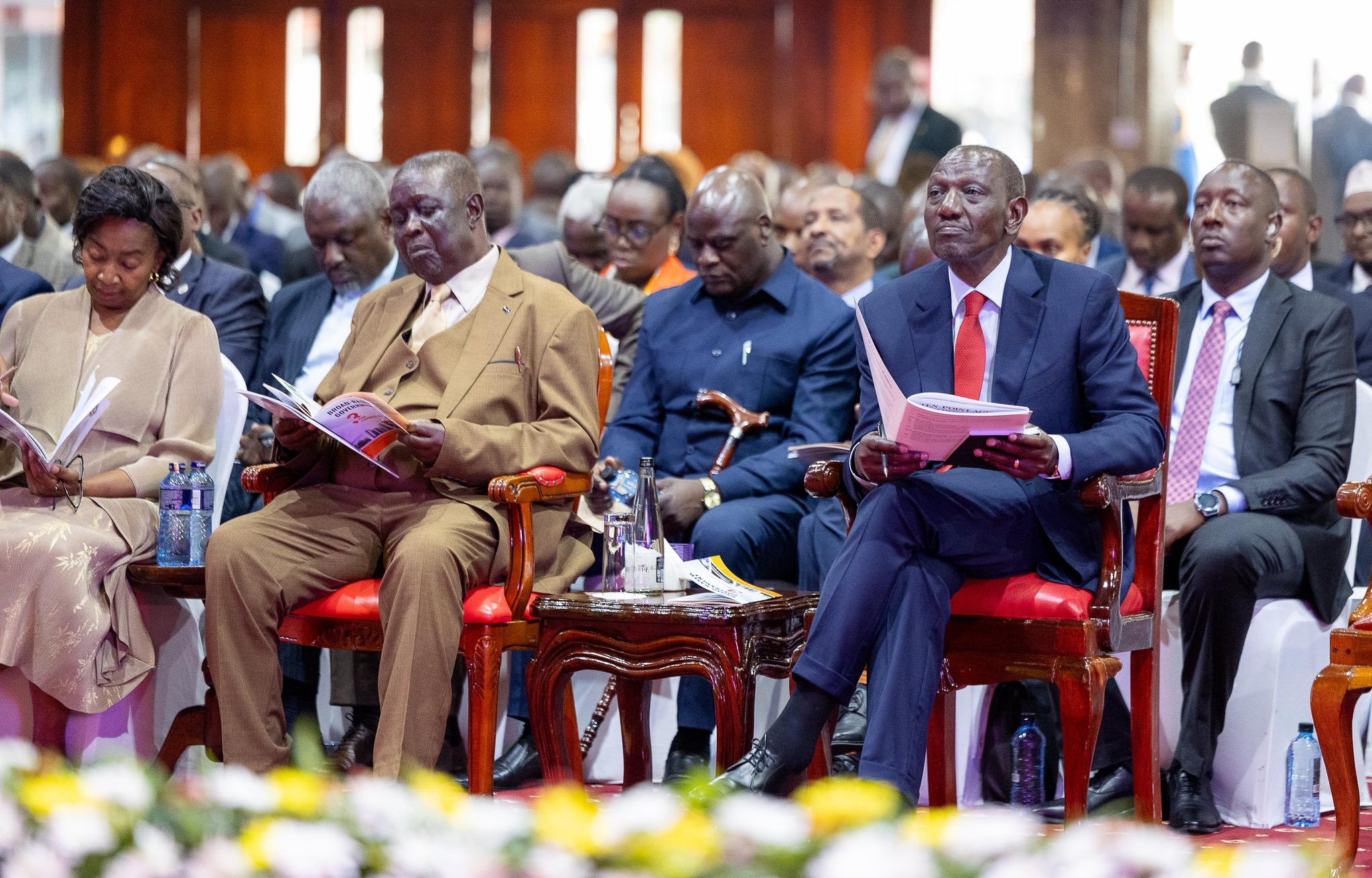
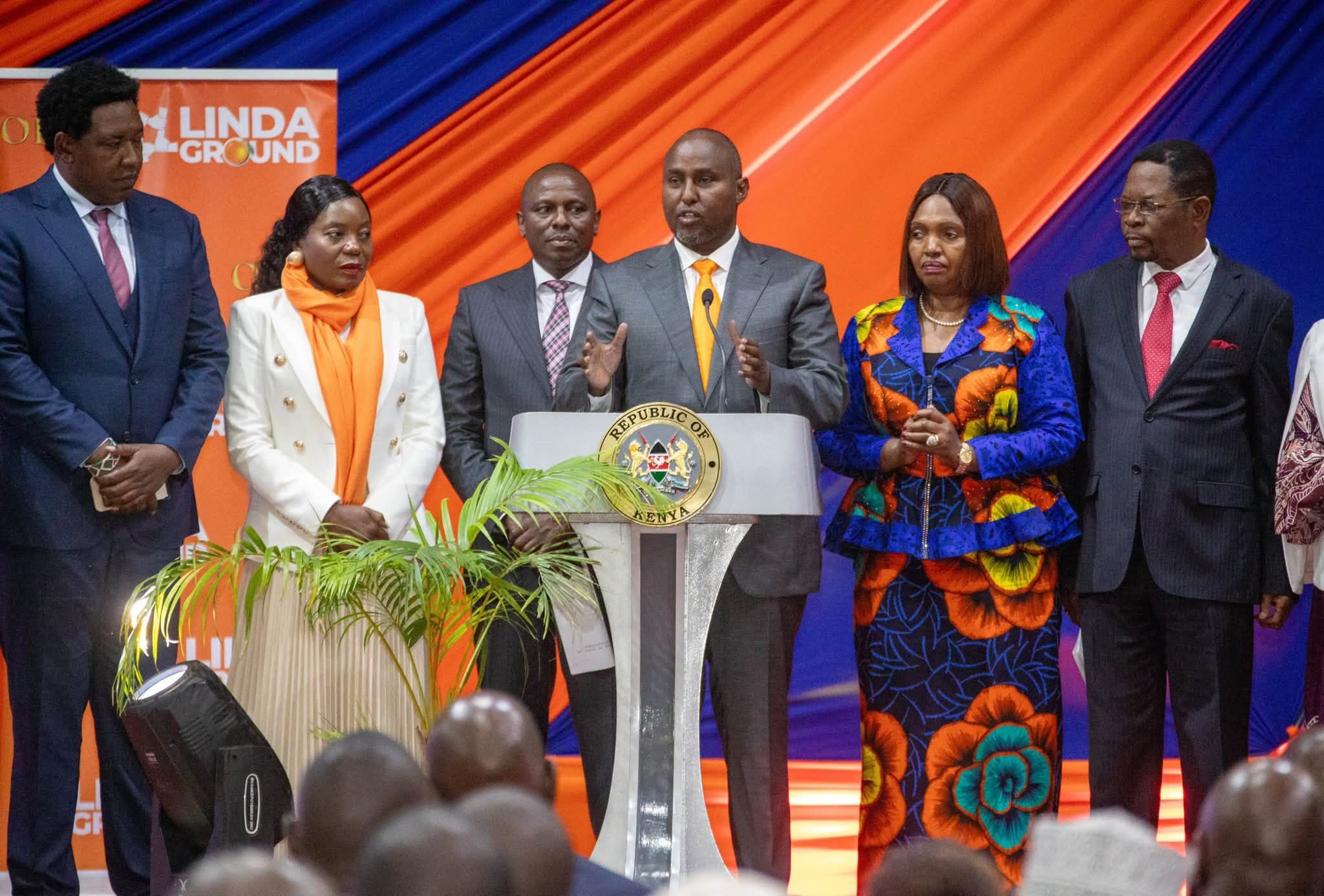
In their press statement today, President William Ruto leading the ODM – UDA Joint Broad-based Parliament Group Meeting on Tuesday, March 10, 2026 at the KICC assured Kenyans that victims of protests across the country will receive compensation by June this year if the ongoing process proceeds as planned.
Speaking during a joint parliamentary group meeting bringing together lawmakers from the ruling United Democratic Alliance (UDA) and the opposition Orange Democratic Movement (ODM), the President said the government has already put in place the necessary mechanisms to ensure that affected families and individuals are compensated.
Ruto said the process has been long but necessary to ensure it is conducted legally and transparently, noting that the government is committed to addressing injustices that occurred during past demonstrations.
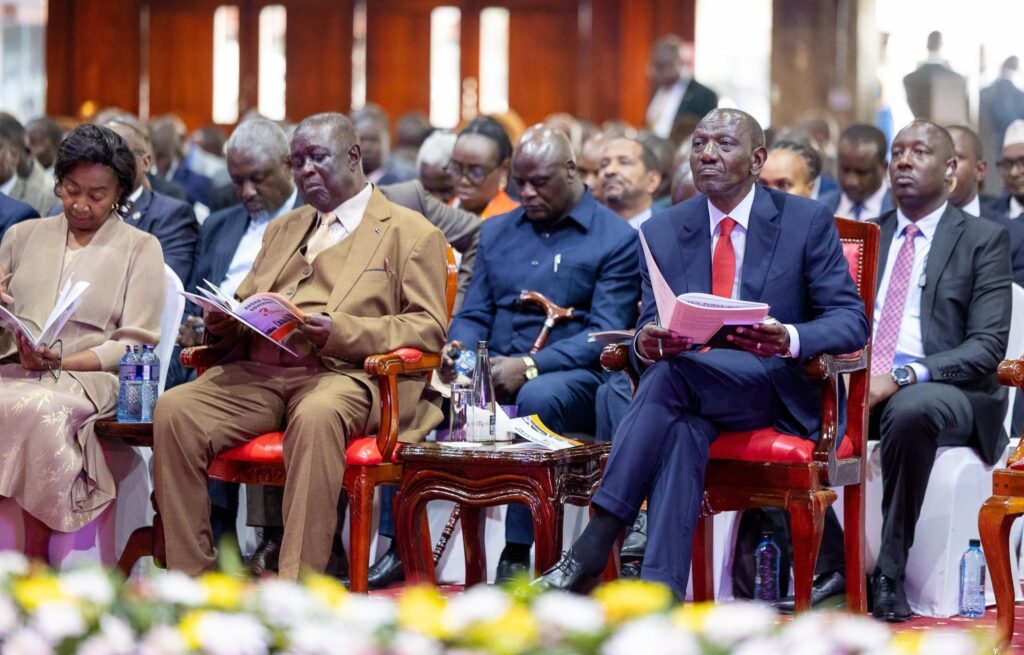
“It is our belief that unless something else happens, we should be able to conclude this exercise by June,” the President said.
The Head of State acknowledged that while financial compensation cannot replace the lives lost during protests, the government has a duty to support affected families and recognise the harm suffered by victims.
“You can never compensate for a life lost, but you can do something about it. That is why we took the first step and gazetted a victims’ compensation panel, although the matter later went to court,” Ruto stated.
According to the President, the government has already identified victims through collaboration with the Kenya National Commission on Human Rights (KNCHR) and the Independent Policing Oversight Authority (IPOA).
“We have identified all the victims of protests together with KNCHR and IPOA. We now have a comprehensive list that even goes back to victims of protests from 2017,” he said.
Ruto further revealed that the government has already allocated resources for the compensation programme and Parliament is expected to approve Sh2 billion to facilitate the payments.
“We have provided the necessary resources and MPs will be approving Sh2 billion to support the compensation of these victims,” the President added.
The process had earlier stalled after legal challenges, but the President said the courts have since issued guidance on how the compensation exercise should proceed.
“The court finally came through and gave direction on how that process should be done. Last week, in compliance with the court’s decision, we gazetted a panel as recommended to expedite the process,” Ruto explained.
Beyond compensation, the President said the government is also looking at ways of protecting protesters in future demonstrations, emphasising that the right to protest is guaranteed under the Constitution.
“We are not stopping there. We want to look at the future. Protesting is a constitutional right and we must protect that right,” he said.
Ruto noted that the government would not take the lead in drafting new legislation on protest protections to avoid conflict of interest.
“It will be right for us to recommend KNCHR to propose a law on the protection of protesters because we do not want the Executive arm of government to propose that law,” he said.
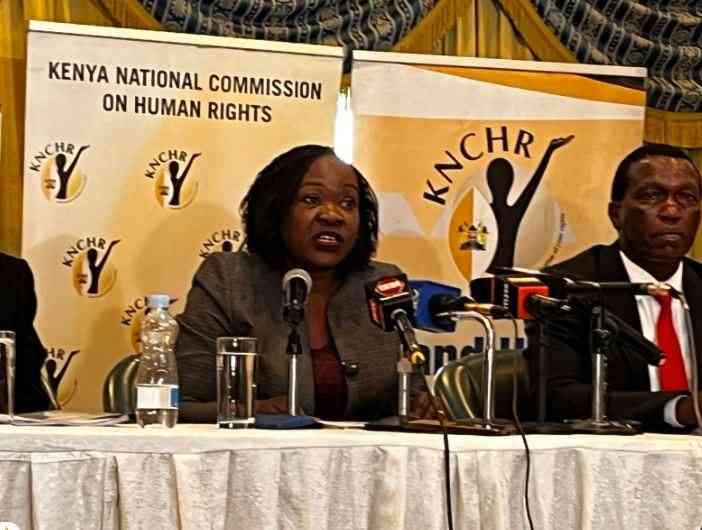
KNCHR with Claris Awuor Ogangah as the Chairperson.
Looking as all this unfolds, there are a few things to be taken very seriously. One is that there has to be a way to find the full list of the victims and family members of those who were killed by or were victims of state violence during the period in question. President William Ruto announced that the government already has the list, that is fine, but it is a start. It is not possible for the government to have all the names of victims and all those family members some of whom nobody knows.
Victims and family members should be provided with an avenue to present their cases directly to KNCHR as they seek justice in a transparent way that works for all of them.
Kenyans should remember that President Mwai Kibaki established the Truth Justice and Reconciliation Commission (TJRC) whose goal was to provide justice and compensation for victims of abuse in Kenya for decades since independence.
That commission worked for 4 years from 2009 to 2013 collecting information all over the country to produce a report which was meant to be presented to the president who would then present it to parliament and then actions are taken. We had all human rights professionals from all over the world involved in that work.
The TJRC spent those four years collecting 40,000 statements from Kenyans across the country on their grievances and human rights abuses that Kenyans had been forced to deal with for decades. These statements formed the basis of the Truth Commission’s four-volume 2,210-page report presented to then President Uhuru Kenyatta on May 21, 2013.

After the final TJRC report was presented to the president at State House, Uhuru Kenyatta flashed the reports down his big toilets at State House because nobody ever heard of or even saw the published reports. Talk about double abuse of human rights. No single MP in parliament ever asked President Uhuru to produce the TJRC report in parliament as required by the law that established it because just like Uhuru none of those MPs ever cared about the victims of state abuse in Kenya at all.
TJRC had very specific tasks to accomplish for Kenyans which were clearly stated in the legislation that established TJRC.
• Recommend the prosecution for those who have committed crimes of human rights abuses in Kenya
• Recommend for reparation for victims
• Recommend on specific actions to be taken in furtherance of the Commission’s
findings
• Recommend on legal and administrative measures to be taken to address specific
concerns identified by the Commission
• Make recommendations relating to the mechanism and framework for the
implementation of its recommendations and an institutional arrangement
TJRC did their job but all of that was killed by President Uhuru Kenyatta when he threw the TJRC report in the garbage where he thought human rights for Kenyans belong.
So, it is not a simple task that for once Kenyans are having something real being done to address abuse of human rights in the country. This is the first time in our history as a country that something like this is happening and we are going to do everything to make it work for the victims of state violence.
This time President Ruto and the whole compensation team will have to involve the KNCHR which has been assigned the job by the Ruto team to prepare and work on the whole process, to receive names and evidence from victims who are willing and more comfortable talking to them.
I am pretty sure that there are a lot of victims out there and family members who could benefit a great deal if they are provided with the opportunity to come out and give evidence of state abuses and crimes against them in atmosphere where they feel safe.
KNCHR would then take the initiative to work on their own system of getting victims involved and collecting evidence needed all across the country.
The other important aspect of President Ruto’s announcement is that he is giving KNCHR an opportunity to draft legislation of putting complete end to acts of state terrorism on Kenyans demonstrating for better things for them and their country.
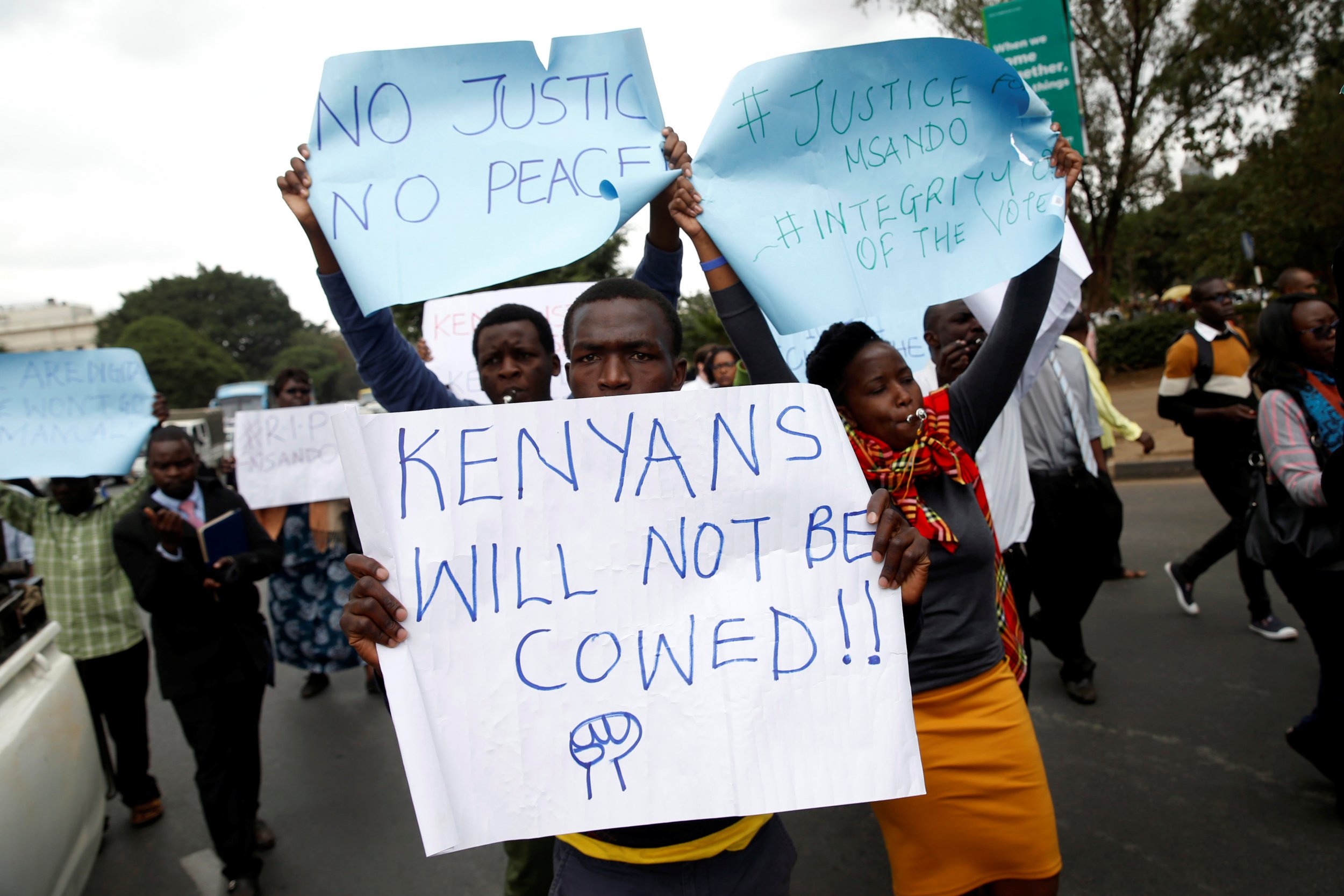
It is one thing to offer compensation to those victims of state terror from 2017 to 2024, but it makes no sense if the next day the state is committing acts of violence against Kenyans who are exercising their rights.
Building legislation to end acts of state violence against Kenyans is a good thing but the more important thing is for the government to make sure they follow the laws prohibiting abuse of Kenyans because even now such laws exist and the Kenya government and police acts against such laws.
One big aspect of any new legislations to end state violence against Kenyans is to provide mechanisms for ways to immediately deal with any acts of abuse by state agents and police officers. Nobody wants to wait years for another compensation and if the abuses are dealt with immediately that would help reduce such acts against Kenyans.
The other issue to be addressed is that President Ruto has set a budget of Sh. 2 billion for the compensation and is asking parliament to approve that budget which is just a start.
Nobody at this stage knows how much the full amount for the compensation will be and in fact we still do not know how much will be paid to each victim and how that will be determined. President Ruto therefore has to be ready to increase that amount if and when that becomes necessary.