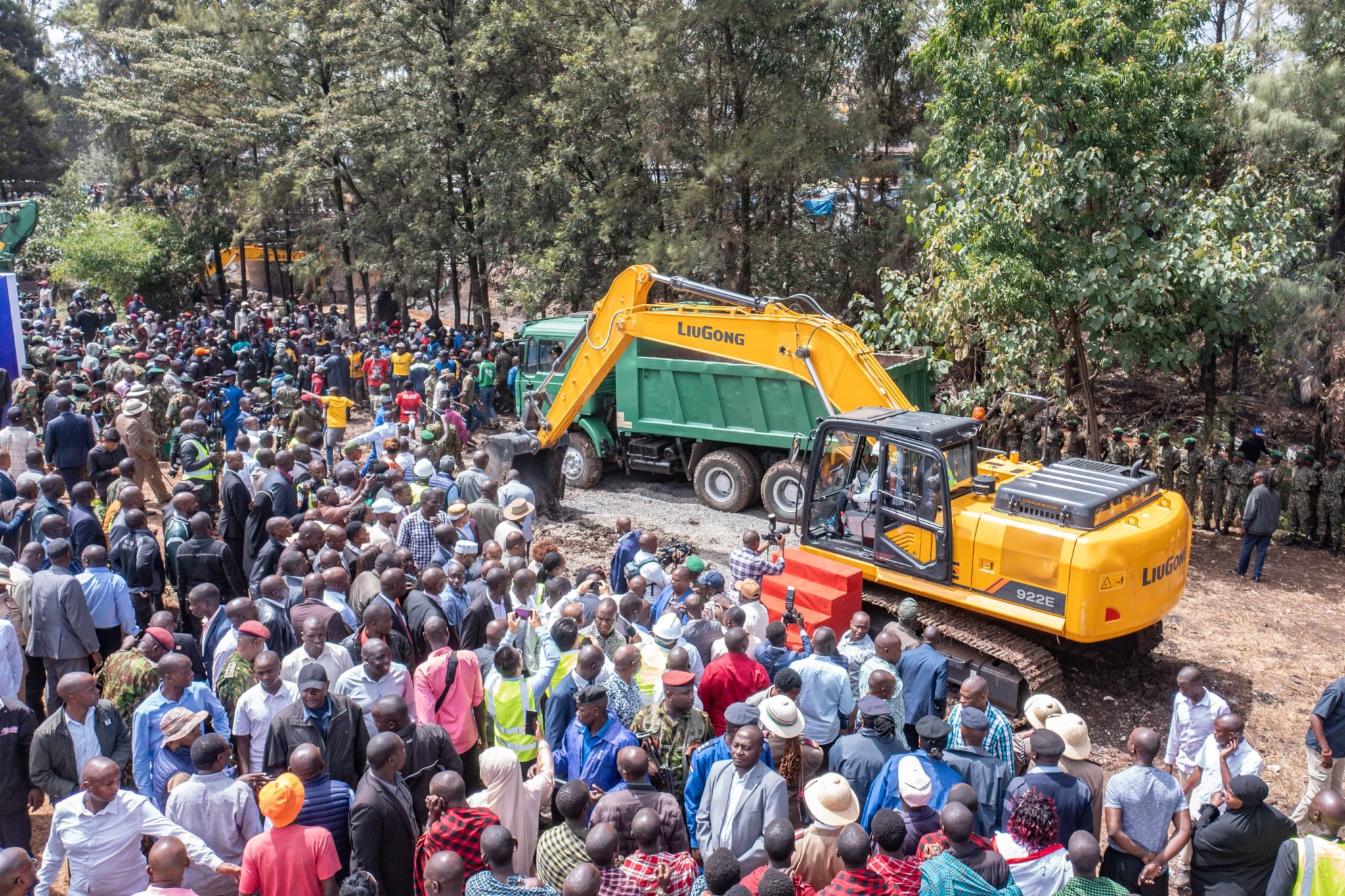

On a bright Tuesday morning in March, President William Ruto unveiled what many are calling the most ambitious urban renewal project in Kenya’s modern history.
The Nairobi River Regeneration and Engineering Works Programme, carrying a price tag of KSh 50 billion, promises to transform the capital’s long-suffering waterway from open sewers into vibrant public spaces.
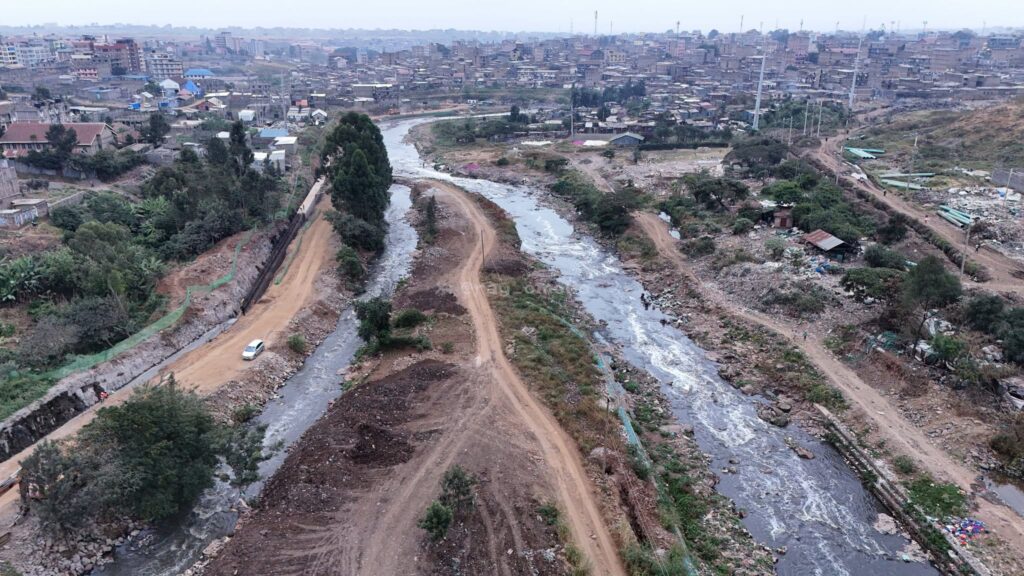
The rivers that wind through Nairobi have told a story of neglect for decades.
Their banks choked with refuse, waters darkened by untreated sewage, their riparian zones claimed by informal settlements and industrial encroachment. But on March 10th, the President declared that the story would be rewritten.
The China Energy Engineering Group shoulders the massive undertaking as the principal contractor, coordinating a master plan that touches nearly every aspect of urban life along the river corridors.
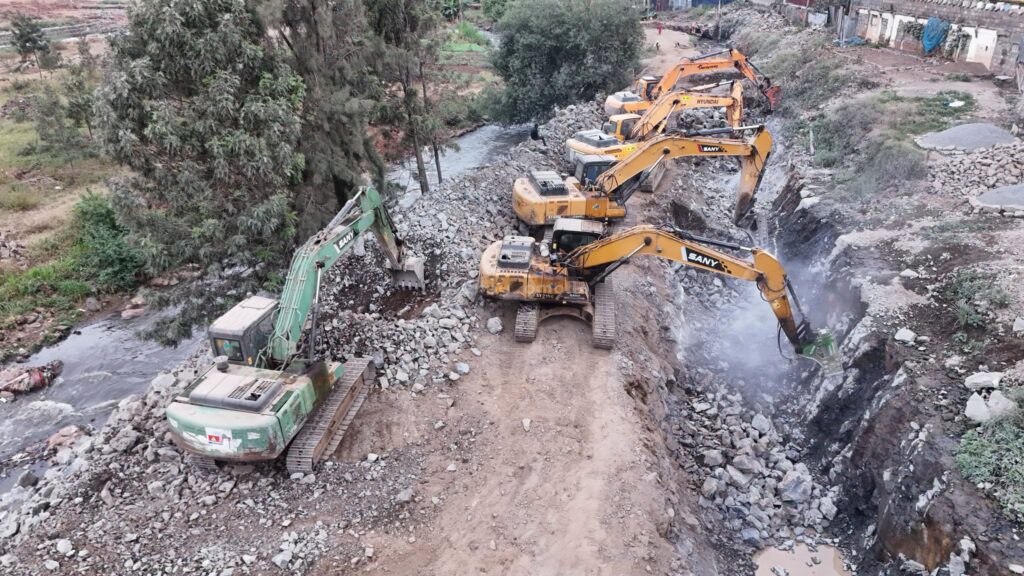
It goes beyond an engineering project to a social one where over 40,000 jobs will flow through the Climate Works Mtaani programme, putting tools in the hands of young people who have watched their neighborhoods decay around polluted waterways.
Beneath the surface of this regeneration effort runs 60 kilometres of new sewer lines, arteries that will finally capture the waste that has poisoned the rivers for generations.
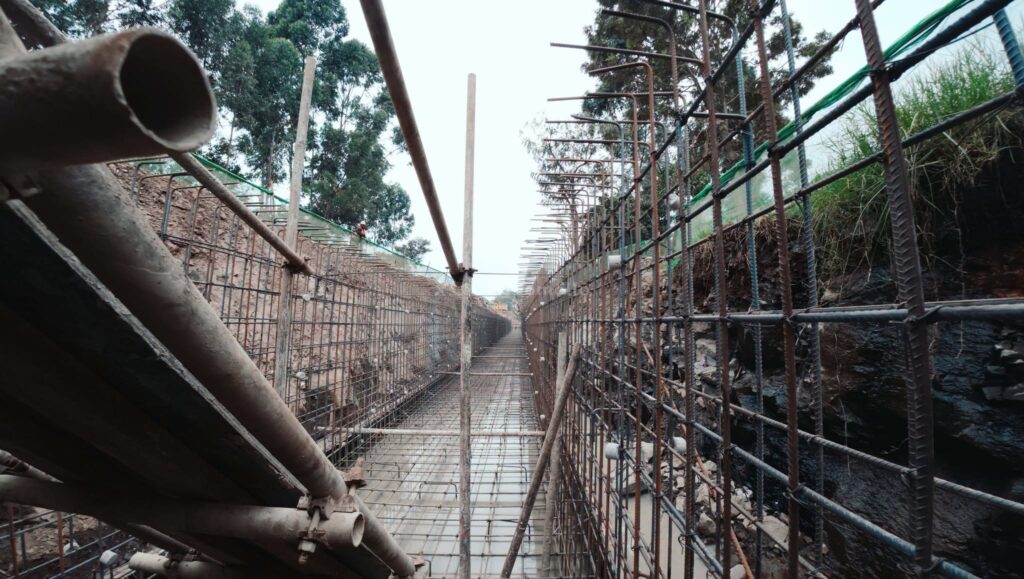
Above ground, 50,000 affordable housing units will rise in areas reclaimed from illegal occupation, offering dignity to families long relegated to informal settlement areas of Kibera, Mathare Valley, Mukuru (Kwa Njenga, Kayaba, and Viwandani), Kiambiu, Kariobangi, and Dandora where the river cuts through.
The vision encompasses eight interwoven strands of work.
Sewer expansion and trunk lines will form the hidden infrastructure, while wastewater management facilities will cleanse what flows through them. The riverbanks themselves will be restored, their soil stabilized and vegetation replanted. Riparian buffer zones will be protected and enforced, pushing back the encroachment that has strangled the waterways.
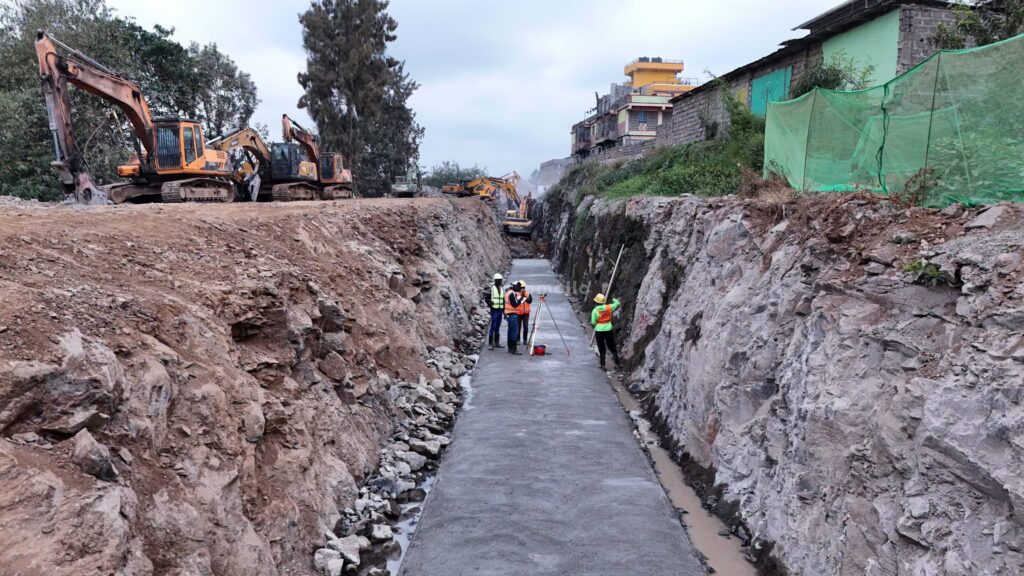
But the project looks beyond mere remediation.
Walkways and cycling paths will invite residents back to the water’s edge, not to dump waste, but to walk, to exercise, to breathe.
Landscaping and green spaces will create urban oases where concrete once dominated. Pedestrian bridges will stitch neighborhoods together across the water, and affordable housing will anchor new communities in the reclaimed spaces.
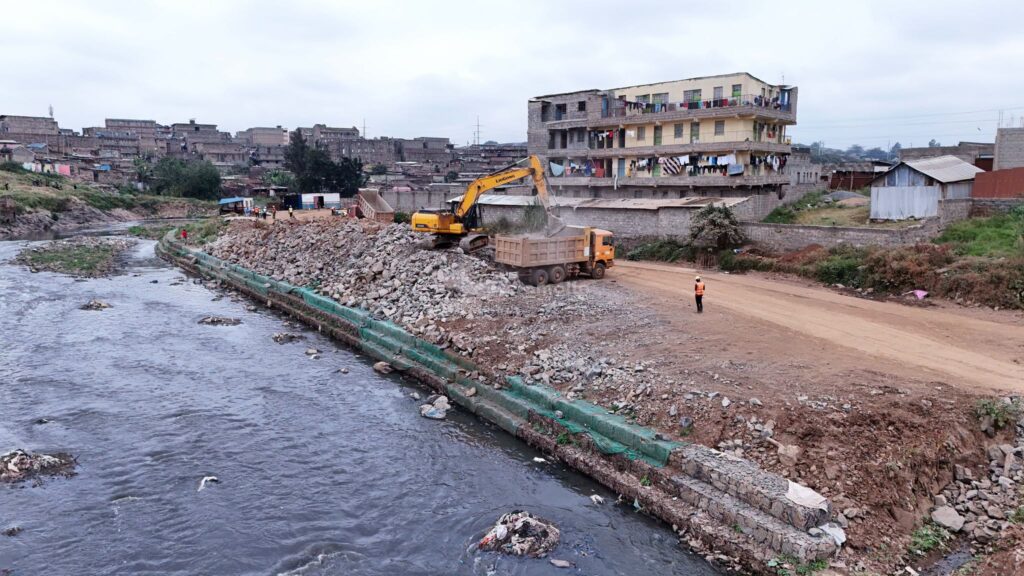
President Ruto framed the initiative as both environmental redemption and economic opportunity. A chance to heal the city’s ecological wounds while creating livelihoods and homes. The river, he suggested, could become a source of pride rather than shame, and a corridor of life.
Whether the KSh 50 billion investment will truly resurrect the Nairobi River remains to be seen, but for now, the Head of State’s promise hangs in the air like the morning mist that once rose clean from these waters, before the city grew around them.