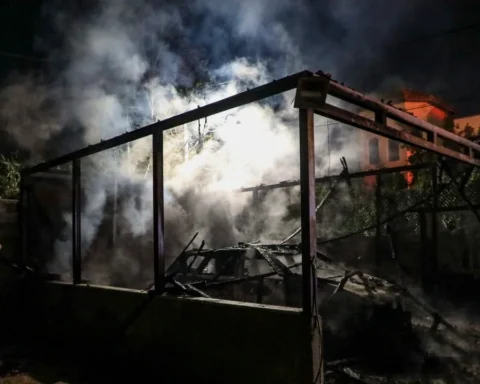


Fresh scenes in Gatundu have intensified concerns over what critics now describe as a dangerous and deliberate political strategy by Democracy for the Citizens Party (DCP) leader Rigathi Gachagua — one that relies on organised goons, fear, and staged confrontation to manufacture sympathy and martyrdom.
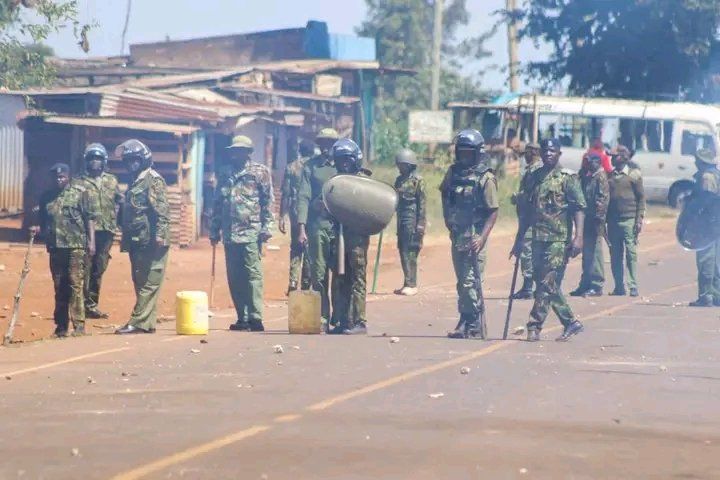
The Gatundu incident follows closely on the heels of events in Nyeri on Thursday and Kirinyaga on Friday, where violence, teargas and rival groups preceded or accompanied Gachagua’s political engagements. In Gatundu, residents reported the arrival of groups of young men who openly claimed they had been “sent to deal with Gachagua,” spreading fear among traders and residents. Shops closed early, movement slowed, and tension gripped the town long before any rally began.
As in Nyeri and Kirinyaga, the chaos created an atmosphere of imminent attack. Social media quickly filled with claims that Gachagua’s life was in danger and that shadowy forces were plotting violence against him. Yet, once again, the script took a familiar turn. When Gachagua finally emerged, some of the same individuals earlier seen roaming the area were later spotted moving alongside or near his convoy, raising fresh questions about who was truly behind the disorder.
In Nyeri, goons armed with crude weapons roamed the town ahead of Gachagua’s arrival, only to later appear escorting him. In Kirinyaga, teargas at Sagana set the stage for dramatic claims of state brutality before Gachagua re-emerged triumphantly in Kagio. Gatundu now appears to be the third act of the same play.
Analysts warn that this politics of manufactured mayhem is reckless. Using fear, hired goons and staged victimhood may generate headlines and online sympathy, but it risks normalising violence and pushing communities toward chaos. Such tactics are unpredictable and can easily spiral beyond control.
As the 2027 election season approaches, calls are growing for authorities and political leaders to rein in confrontational politics before staged disorder turns into real tragedy — with ordinary Kenyans paying the ultimate price.