

General Sir Roly Walker, Chief of the General Staff of the British Army, visited the British Army Training Unit Kenya (BATUK) in Nanyuki on March 19, acknowledging harm caused by British soldiers stationed in Kenya but sidestepping questions of accountability and prevention.
During his visit, General Walker admitted to “historical cases where we have let people down,” referencing incidents of abuse, loss of life, and environmental damage linked to British military activities in Kenya. He reaffirmed the British Army’s commitment to maintaining its long-standing partnership with Kenya, describing the relationship as “vital to both nations’ security and shared values.”
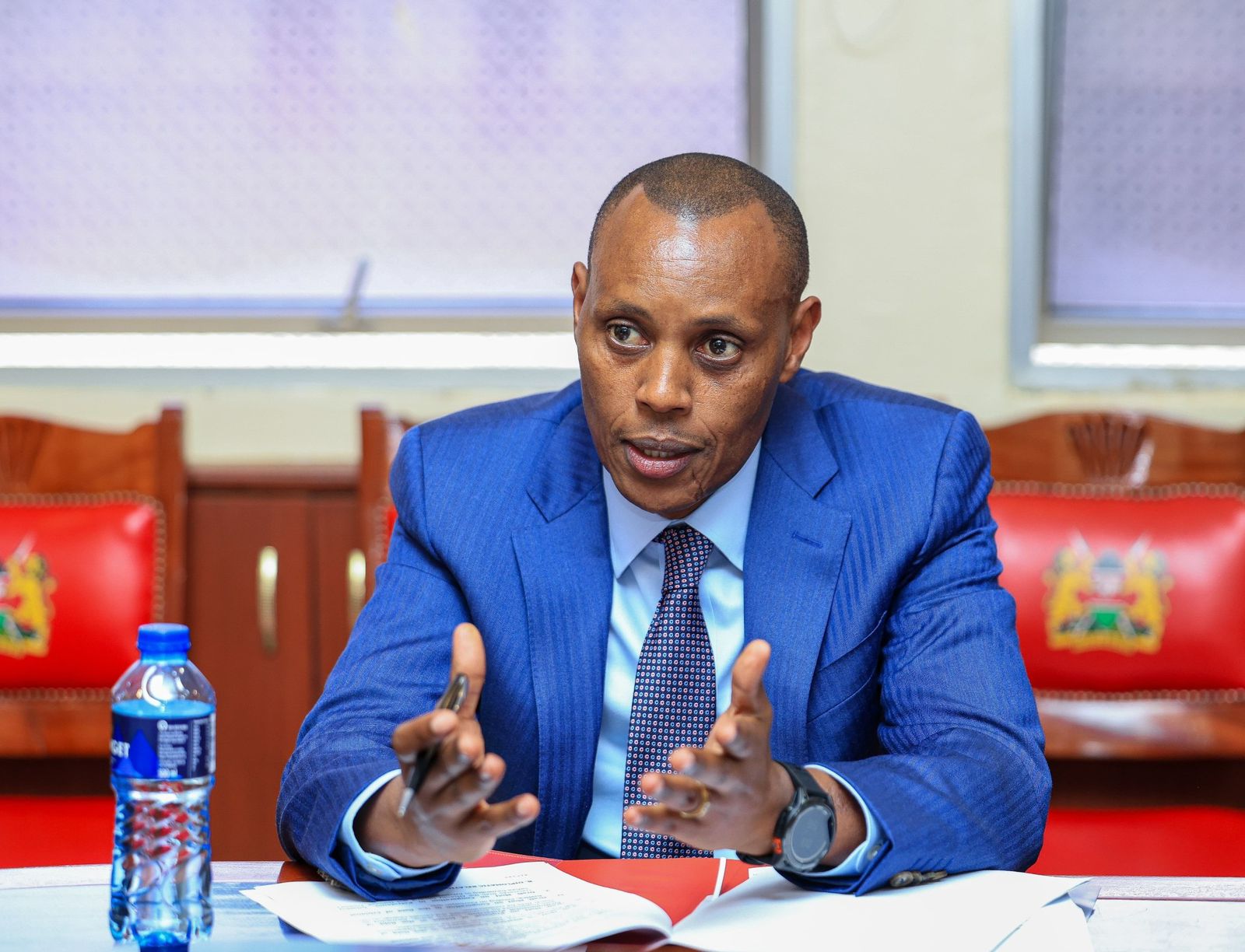
However, his remarks have drawn criticism from Kenyan lawmakers and civil society groups who view the statement as insufficient. Belgut MP Nelson Koech, a member of the parliamentary committee overseeing defence cooperation, said Walker’s comments risk being perceived as “damage control” ahead of the upcoming renewal of the Defence Cooperation Agreement (DCA) between Kenya and the United Kingdom.
“The timing and tone of General Walker’s statement suggest an attempt to manage public perception rather than address the core issues of justice and accountability,” Koech said. “Kenyans expect more than apologies — they expect binding reforms.”
Kenya’s parliament has insisted that the DCA renegotiation, scheduled for the summer of 2026, must deliver enforceable mechanisms for joint investigations, compensation for victims, and stronger oversight of foreign troops operating on Kenyan soil.
In November 2025, a two-year parliamentary inquiry into BATUK concluded with a damning report documenting sexual assaults, deaths from unexploded ordnance on training grounds, and widespread environmental destruction across the Laikipia region. The report accused British soldiers of showing “contempt for Kenya’s laws and sovereignty,” and called for a complete overhaul of the legal framework governing foreign military presence in the country.
The inquiry’s findings have intensified public pressure on both governments to ensure that the new DCA includes clear accountability provisions. The issue gained further urgency after three new victims came forward earlier this month, alleging harm linked to BATUK operations.
For many Kenyans, the British Army’s future presence in the country will depend not on words of regret, but on tangible reforms that guarantee justice and respect for Kenya’s sovereignty.