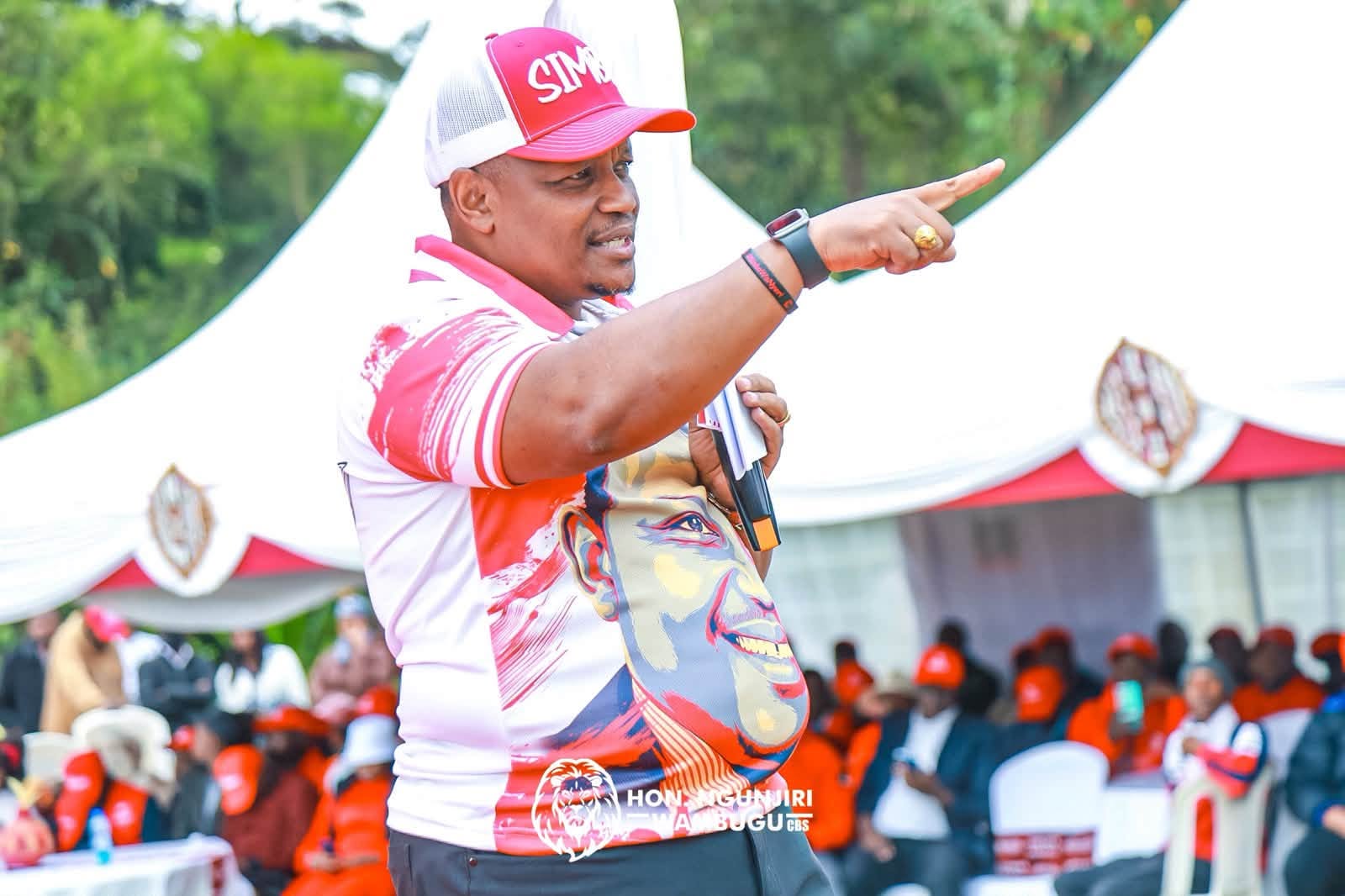

Nairobi Senator Edwin Sifuna could be a passing cloud in Kenya’s presidential politics unless he quickly builds the political machinery needed to sustain a national campaign, former Nyeri Town MP Ngunjiri Wambugu has warned.
Wambugu argues that while Sifuna is articulate, politically attractive and capable of generating excitement, these qualities alone cannot deliver a credible presidential bid in the 2027 General Election.
In a statement on Sunday, Wambugu questioned whether the ODM secretary-general could replicate the formidable political organisation that former Prime Minister Raila Odinga spent decades building.
“Running for President is exciting. Running a presidential campaign is anything but,” Wambugu observed, pointing to the logistical, financial, communications, security and grassroots mobilisation demands of a serious presidential contest.
His central question is whether Sifuna can assemble that machinery in just nine months, or whether his current political momentum will dissipate before the country votes.
Wambugu acknowledged Sifuna’s appeal but questioned whether he has the network of loyal supporters, political operatives and financiers prepared to commit their resources, careers and influence to a presidential project.
The former MP noted there is a difference between attracting public attention and building an institution capable of competing for State House.
Raila Odinga’s presidential campaigns were sustained by decades of political organising, alliances and grassroots mobilisation and Wambugu questions whether Sifuna has the time to develop comparable structures before the next election.
The warning comes amid growing debate over the future of the opposition and the possibility of Sifuna emerging as a leading figure in efforts to challenge President William Ruto in 2027.
But Wambugu believes the opposition faces a deeper problem where constituent parties must balance the pursuit of a joint presidential candidate against their own ambitions.
Each party wants to elect its own MPs, senators, governors, women representatives and MCAs, with electoral performance also influencing its share of the Political Parties Fund.
That competition, Wambugu argues, could undermine the negotiations needed to produce a unified presidential ticket.
He further questioned whether a handful of opposition leaders meeting behind closed doors would select a candidate based on the interests of ordinary Kenyans or on the personal political bargains available to those at the negotiating table.
For Sifuna, the challenge is therefore twofold, including converting his political appeal into a durable national movement while navigating an opposition landscape in which unity remains difficult to reconcile with competing egos and factions.