
A constitutional challenge questioning the legality of Kenya’s Sh7 trillion public debt, including major loans from the International Monetary Fund (IMF), has reached a decisive stage in the High Court.
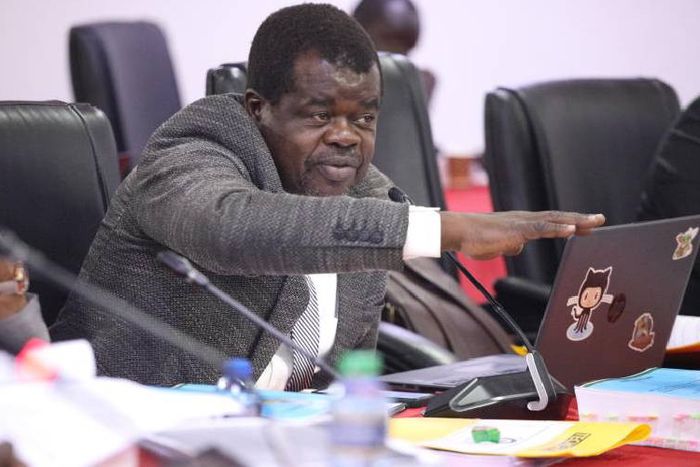
The case, led by Senator Okiya Omtatah, seeks to have a large portion of the national debt declared “odious” and unconstitutional.
A three-judge bench comprising Justices Francis Gikonyo, Moses Ado, and Roselyne Aburili has set June 25, 2026, as the date to determine whether the court has jurisdiction to hear the matter.
The ruling will mark a critical step in a case that could redefine Kenya’s debt management.
According to the petition, between 2014 and 2024, Kenya borrowed Sh9.11 trillion, but only Sh2.57 trillion was lawfully approved by Parliament.
The remaining Sh6.54 trillion, the petition claims, was borrowed without parliamentary approval, never appeared in official budgets, and did not benefit the public. Petitioners argue that such borrowing violates constitutional provisions on public finance and transparency.
The IMF, named as a respondent, has sought to be removed from the case, citing diplomatic immunity.
However, the petitioners have rejected the move, saying international organizations cannot invoke immunity to shield themselves from accountability when their funds allegedly facilitate unconstitutional or harmful economic practices.
They describe the loans as instruments of “economic terrorism” that have deepened Kenya’s financial vulnerability.
This legal battle follows years of public discontent over Kenya’s rising debt levels and allegations of systemic corruption.
In 2021, more than 200,000 Kenyans signed an online petition urging the IMF to halt further lending to the government, citing corruption and lack of transparency. Critics argue that borrowed funds often bypass official Appropriation Acts and are lost through graft.
Former President Uhuru Kenyatta once admitted that Kenya loses approximately Sh2 billion daily to corruption, a statement that continues to fuel public frustration over fiscal mismanagement.
Economists and civil society groups warn that the country’s debt burden has created a “debt trap,” forcing the government to adopt stringent austerity measures that worsen living conditions instead of alleviating poverty in the country.
The High Court’s upcoming decision on jurisdiction will determine whether the case proceeds to full hearing.