
Amnesty director Houghton Irungu resigns from protest victims’ compensation panel
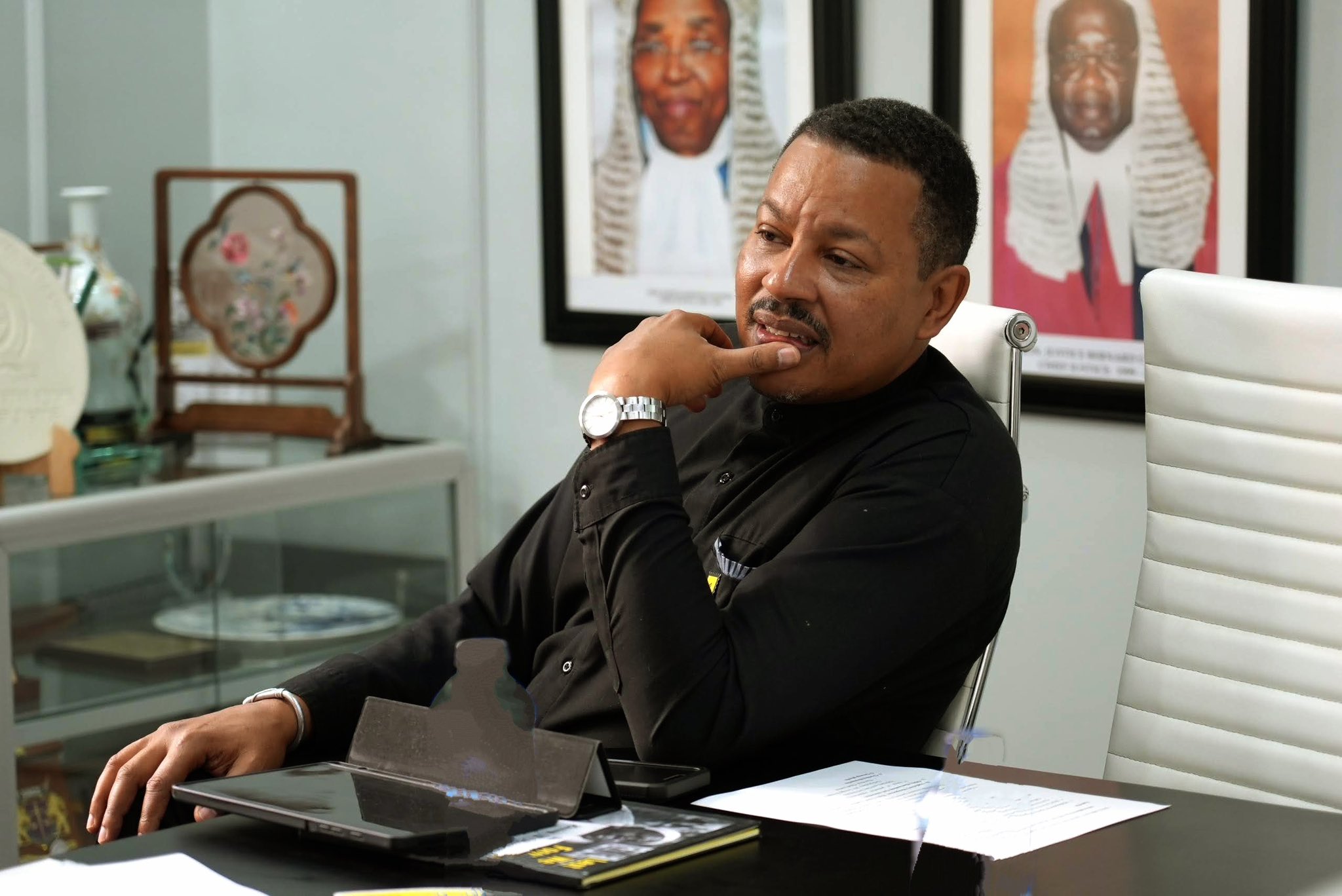
Amnesty International Kenya Executive Director Irungu Houghton has resigned from the Panel of Experts on Compensation of Victims of Demonstrations and Public Protests.
In a resignation letter dated January 9, 2026, Houghton said his decision takes immediate effect and follows the Kerugoya High Court judgment delivered on December 4, 2025, which declared the panel unconstitutional.
“I have resigned from the Panel of Experts with immediate effect. My decision follows the President’s Jan 5, 2026 extension of the Panel’s mandate for a further 180 days despite the Dec 4, 2025 Kerugoya High Court ruling mandating the KNCHR,” he said.
Houghton noted that the ruling “materially alters the legal basis and institutional legitimacy” of the panel’s continued existence.
As a constitutionalist, he said, he was obligated to respect judicial determinations and safeguard the integrity and independence of constitutional institutions.
“Continuing to serve on the Panel under these circumstances risks normalising an arrangement that the Court has expressly found to be unconstitutional and undermines the central role assigned to KNCHR by law,” he stated.
The panel’s mandate was extended by 180 days on January 5, 2026, a move that Houghton said directly triggered his decision to step aside.
In the letter, Houghton also distanced himself from a December 15 application filed by the panel seeking a stay of the High Court ruling.
“I did not enter appearance when listed as an interested party, trusting that the High Court would offer a way forward,” he said, adding that he only became aware of the stay application on January 8, 2026.
Houghton further pointed out that the application contradicted his publicly stated position, including views expressed in a December 6 opinion article, where he argued that the panel should comply with the High Court’s determination and allow KNCHR to lead the compensation process.
Houghton clarified that his resignation should not be interpreted as acceptance of the High Court judgment by the panel, but rather as a principled act grounded in constitutional fidelity.
He concluded by urging stakeholders to remain unwavering in the pursuit of truth, justice and reparations, in line with the Constitution and the court’s decision.
First of all I would like to offer my gratitude to Amnesty International Kenya Executive Director Irungu Houghton for the great work he has done to help improve human rights in Kenya and he has done for decades. It is the work people like Irungu Houghton do that has provided some real positive developments in human rights in our country.
When President William Ruto created the Panel of Experts on Compensation of Victims of Demonstrations and Public Protests it was a very positive development for the victims of state violence and their families because it offered them hope to get justice and be compensated to go on with their lives. The period covered for the compensation was from 2017 Uhuru terrorism in Kenya after the elections that time all the way to William Ruto shooting young Kenyans everywhere because they were protesting against his rotten budget which was making life more expensive for Kenyans.
To some politicians and human rights organizations, the compensation plan for victims of state terrorism offered them a good opportunity to open a window of war with the Ruto government and a chance for those leaders to be seen to be fighting for human rights by blocking the chance of victims to get justice and be provided with compensation to move on with their lives. I mean talk about contradictions.
Incidentally none of the politicians or human rights group leaders working to stop the compensation process have been victims of state violence or have dead family members hoping to get any compensation for the period in question.
There is no evidence that all these people blocking the compensation plans have even bothered to hold meetings and consultations with the actual victims to figure out a better way forward.
When they are dealing with the government, they rightly demand public participation but when they are stopping people with severe injuries and families of Kenyans killed by the state, public participation of those victims to address their needs is irrelevant to these human rights groups. That makes their behaviour not that much different from that of the politicians.
Here are some of the victims waiting for justice and compensation while politicians and some human rights groups have gone to court to block a chance of that ever happening while claiming they are fighting for the dead victims and their families.
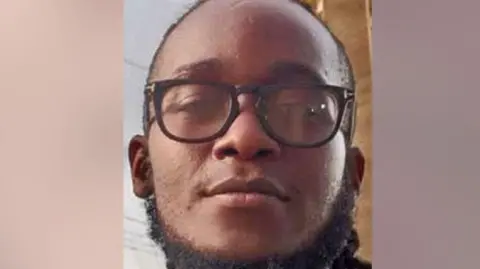
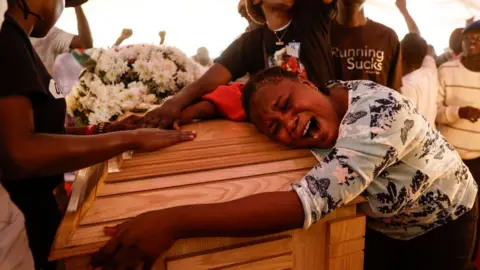
Rex Masai bled to death after being hit in the thigh.
His mother, Gillian Munyao, told journalists that her son joined protests after work and he was evading tear gas when he was shot in the city centre. “The only mistake Rex did was to defend the rights of everyone, we want justice for our child,” Ms Munyao added.
His father, Chrispin Odawa, said he was a “very calm, peaceful and obedient child”.
Mr Masai was taken to Bliss Hospital along Nairobi’s Moi Avenue where he was pronounced dead, officials there said.
If we look at the 2017 to begin with let’s point at police actions in the killing of 6 months old Samantha Pendo (Baby Pendo) which sticks out for Kenyans who have been seeking justice for victims of state terrorism. Her case for Baby Pendo has been in court for 8 years now and I don’t remember a single minute the human rights groups and their leaders have tried to offer any help to her. Now she could be compensated, and the same human rights groups are making sure that will never happen unless they are allowed to control the compensation panel.
Baby Pendo was not a victim of demonstrations or protests. She was a victim of gruesome state violence when she and her family were attacked in their own house in Nyalenda estates in Kisumu and they were not anywhere near demonstrations when that tragedy was inflicted on the family.
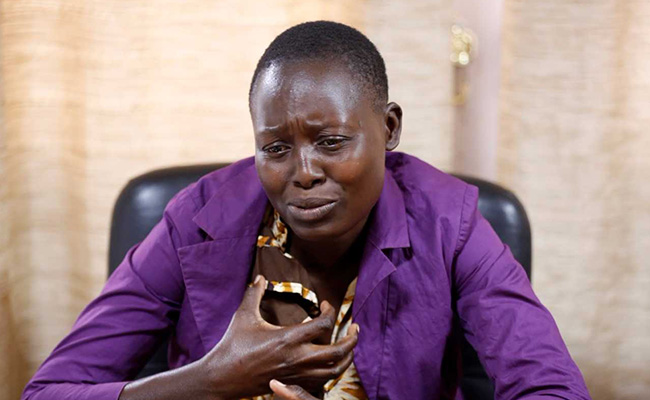
Samantha Pendo was asleep in her mother’s arms when police forced their way into their home (Reuters)
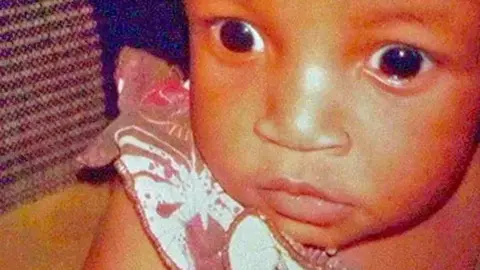
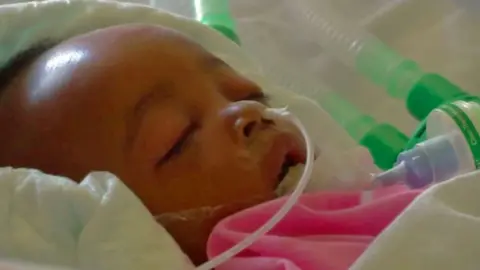
Samantha Pendo died three days after being admitted to intensive care
In the country we also have hundreds of victims of state violence including many killed during the Saba Saba demonstrations in 2023. Those demonstrations were led by Raila Odinga himself as the Azimio la Umoja coordinator. Many victims of state violence in those peaceful demonstrations were often beaten, teargassed and a big number of them were shot to death by the Kenya police.


We also had the case of f Boniface Kariuki shot to death point blank in his face while he was just selling masks in Nairobi streets. The young man is gone forever but his family must be compensated and that is a big part of the job for the compensation team announced by President Ruto.
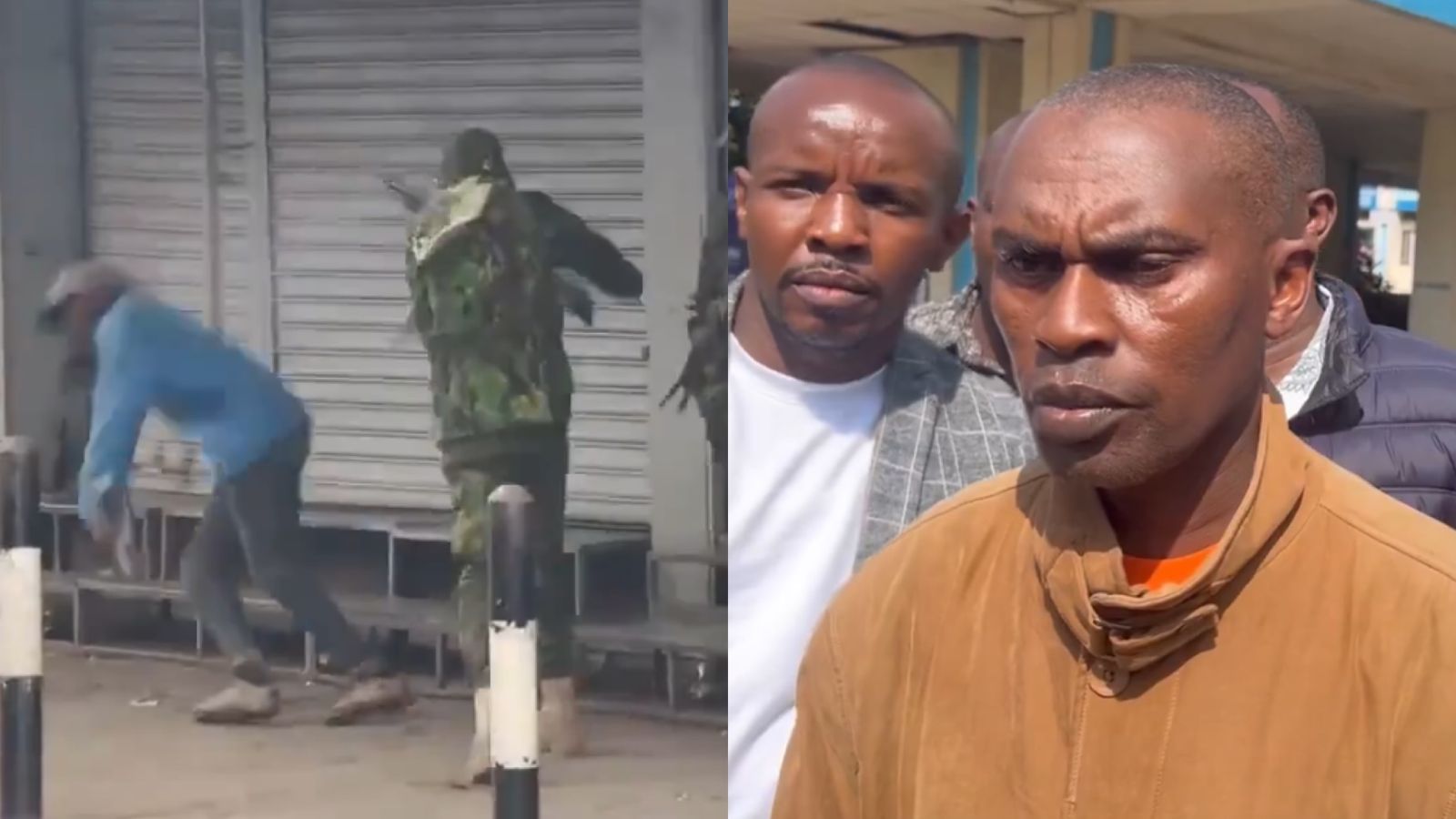
Killing of Boniface Kariuki and Boniface’s father Jonah Nyambura
Kenya mourns vendor killed in protests.

Susan Njeri, centre, mother of Boniface Kariuki, is supported by youth and family members after seeing his body, on July 11, 2025
How about Albert Ojwang’ who was violently strangled to death and his head smashed to pieces while in a police cell at Central Police Station on orders from high ranking state officers who are supposed to serve law and order in the country but in this case decided to commit one of the most heinous crimes in Kenya’s long record of state violence against the citizens of our country.
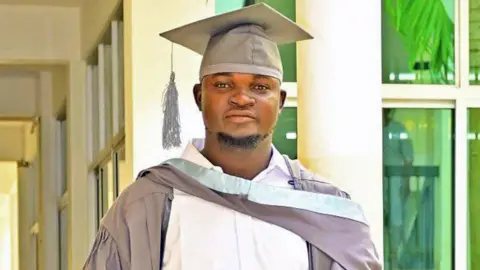

“My son died like an animal,” said Meshack Ojwang’ before breaking down in tears in front of journalists outside Central Police Station in Kenya’s capital, Nairobi.
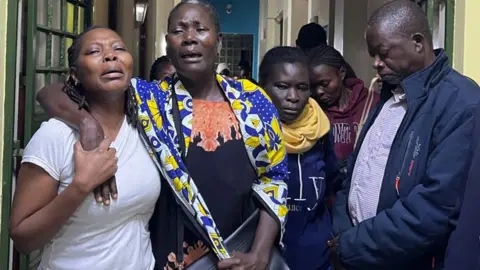
Albert Ojwang’s parents are devastated by the loss of their only son.
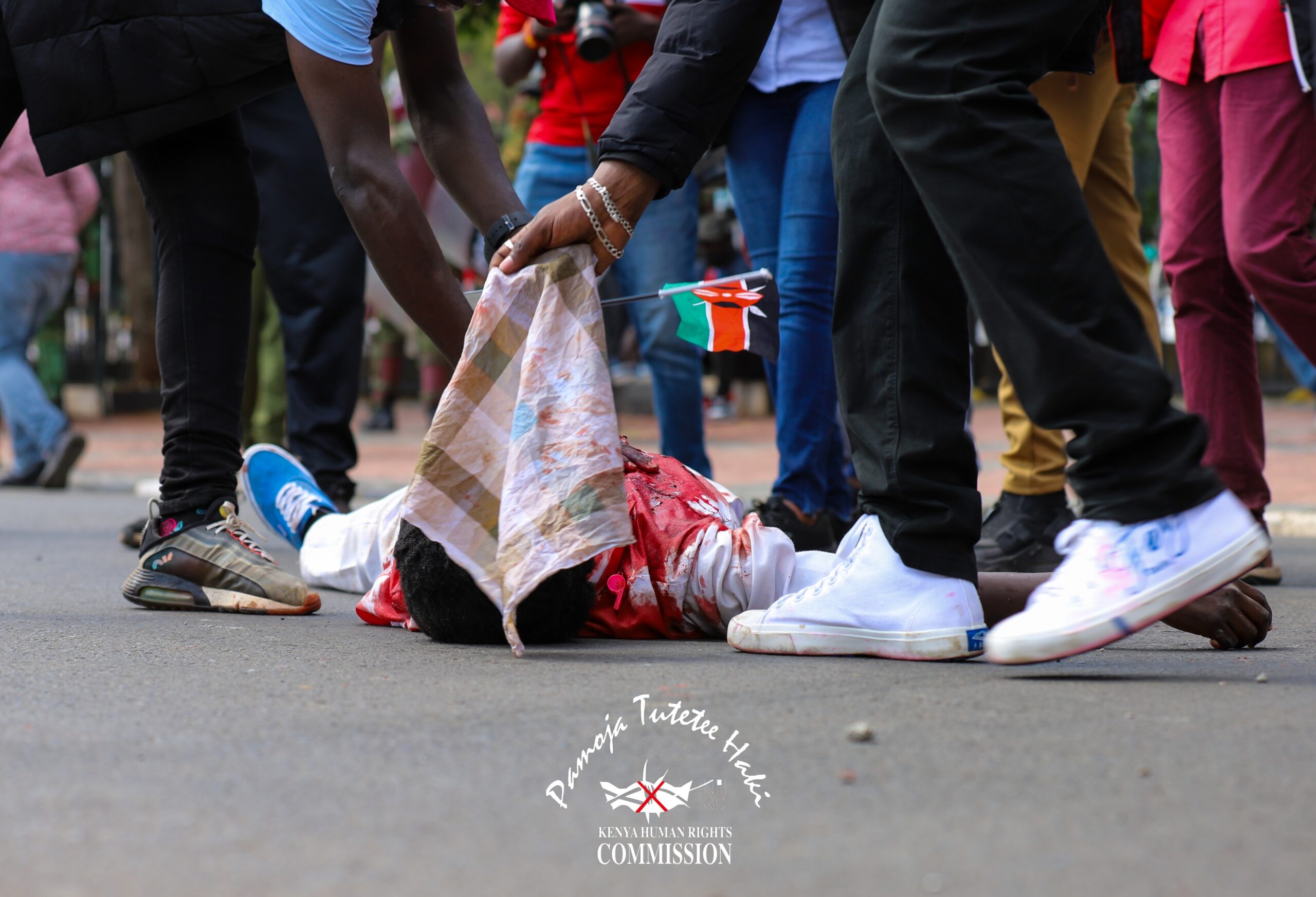
Police shot dead a peaceful protester outside parliament on June 25, 2024.
“We stand in solidarity and commend the Kenyan youth who came out in large numbers to defend our rights by rejecting the punitive Finance Bill, 2024. This is our constitutional right, per Article 37 of the Kenyan Constitution” said human rights activists who came to help.
Batons, tear gas, live fire, police brutality, that is what people face all the time during protests.
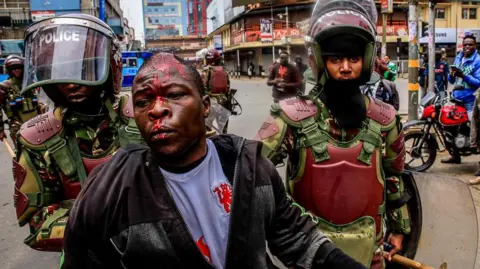
The challenge we have for my human rights comrades is to ask them what alternative routes do they have for all these victims to get what they deserve because this is not about paperwork in some office it is real and death for a lot of comes waiting for and expecting support from the human rights movement in Kenya.
If the only help the human rights groups who have tied everything up in court is to get all victims and their families waiting for justice until they are all dead, that is sure to happen and great job by our human rights groups for that.
I am saying that because I sued the government of Kenya for human rights abuses on myself and won the case in 2014 and the government was ordered to pay me a certain amount of money.
Today 12 years later I just been paid pieces here and there and I am still in court fighting to get paid. This month we are back in court now for contempt of court by the government refusing to pay as ordered by the court. I was just told this week by my lawyer that they want us to calculate all that we are owed based on 12% cumulative interest again because the calculation we gave them they don’t like.
It just goes on like that forever, but we are going to be in court this month and frankly I could never have been able to file my case for torture and jail without the help of human rights organizations and activists in our country. They physically helped me to get to the lawyers and file my case. It looked hopeless but those comrades helped me to do it and it worked.
The Kenya Human Rights Commission at that time had People Against Torture (PAT) working under the leadership of Njuguna Mutahi and those are the people who helped us as victims of torture to file our cases in court and seek justice.
I have my two friends well known Kenyan activists who have fought for their country all their lives and were tortured and detained for years by President Moi. The won their cases for compensation and have not been paid a penny. One of them is an 80 year old man now retired and at home and they don’t want to pay him. Are they waiting for him to die?
The proposal now is that KNHCR should take over the Panel of Experts on Compensation of Victims of Demonstrations and Public Protests. The first question is how the KNHCR will take over the panel. Will the KNHCR just walk into State House and order President Ruto to hand over the whole process to them?
Will the KNHCR ask Ruto to give them some billions of cash to hand over to the victims? Will KNHCR take each single case of abuse on Kenyans to court and wait for ten years to get any verdict?
KNCHR cannot do any of those things which means nothing, nothing and nothing is going to be done to enable and provide justice and compensation for victims of state terrorism from 2017 to 2025 fronted in the Ruto plan. If that is what the human rights leaders and politicians who are fighting against the whole process wanted, they have achieved maximum victory for themselves and nothing for the victims. How does that help any of those victims?

We miss this guy who did a lot with the KNCHR
Is anybody interested in finding a solution to what the victims need? Is KNHCR doing anything to make something else happen for the victims who were going to be compensated through the panel proposed by President Ruto? What does these actions tell those victims of state terror?
It is a simple statement to the victims. Nobody cares about their rights and suffering. How does that work for anybody including the human rights leaders fighting against the process of compensation? They are not hurting William Ruto by blocking the compensation panel, they are killing the victims and it is shameful whichever way you look at it.
ODM at their Committee meeting seem to have come up with a plan to revisit the Panel of Experts on Compensation of Victims of Demonstrations and Public Protests and are looking into the possibility of having KNHCR do the job. The challenge there and I think that is where the human rights groups need to approach ODM and the government as a whole is how does that get factored into a legal process to function.

ODM Party Leader Oburu Oginga chairing the ODM Central Management Committee meeting on Monday, January 12, 2026.
The Central Committee reviewed progress on the party’s Ten-Point Agenda, particularly the issue of compensation for victims of public protests. Courts had previously ruled the proposed Panel of Experts unlawful, so the committee decided that any funds would be channeled through proper bodies, such as the Kenya National Commission on Human Rights (KNCHR).
This is an area where ODM could do a great job of talking to President Ruto and convincing him to redo the panel working with KNHCR as a partner and remove the fighting between the government and human rights groups and put the focus on the victims still waiting for the process to get going.
This compensation proposal was an agenda Raila Odinga fought for and managed to get President Ruto to establish it. Now that it is not even started to work and in another six months would be buried six feet below it is time to think outside the box and that applies to all parties.
If nothing is done very soon, we are in 2027 with elections and the whole compensation process will die out and Ruto will say he tried and was blocked. That option should be taken out of the table and that requires negotiations that must also involve the victims who need to have a say in the compensation process.
ODM has told Kenyans that they are going to start negotiations with UDA on 2027 elections, please start those negotiations by asking President William Ruto to work out a deal that will ensure that the compensation process is in place and everything is done before the end of this year.
If ODM can put that compensation package for victims of state violence as a priority which is has to be achieved first before the rest of their deals with UDA Kenyan victims of state abuse will respect them a great deal for that.
After that is negotiated and settled, the politicians can go run for office whichever political party they decide to go with for 2027 as long as they promise not to start another round of state terrorism, so we have another compensation to do two years after the 2027 elections.
Adongo Ogony is a Human Rights Activist and a Writer who lives in Toronto, Canada