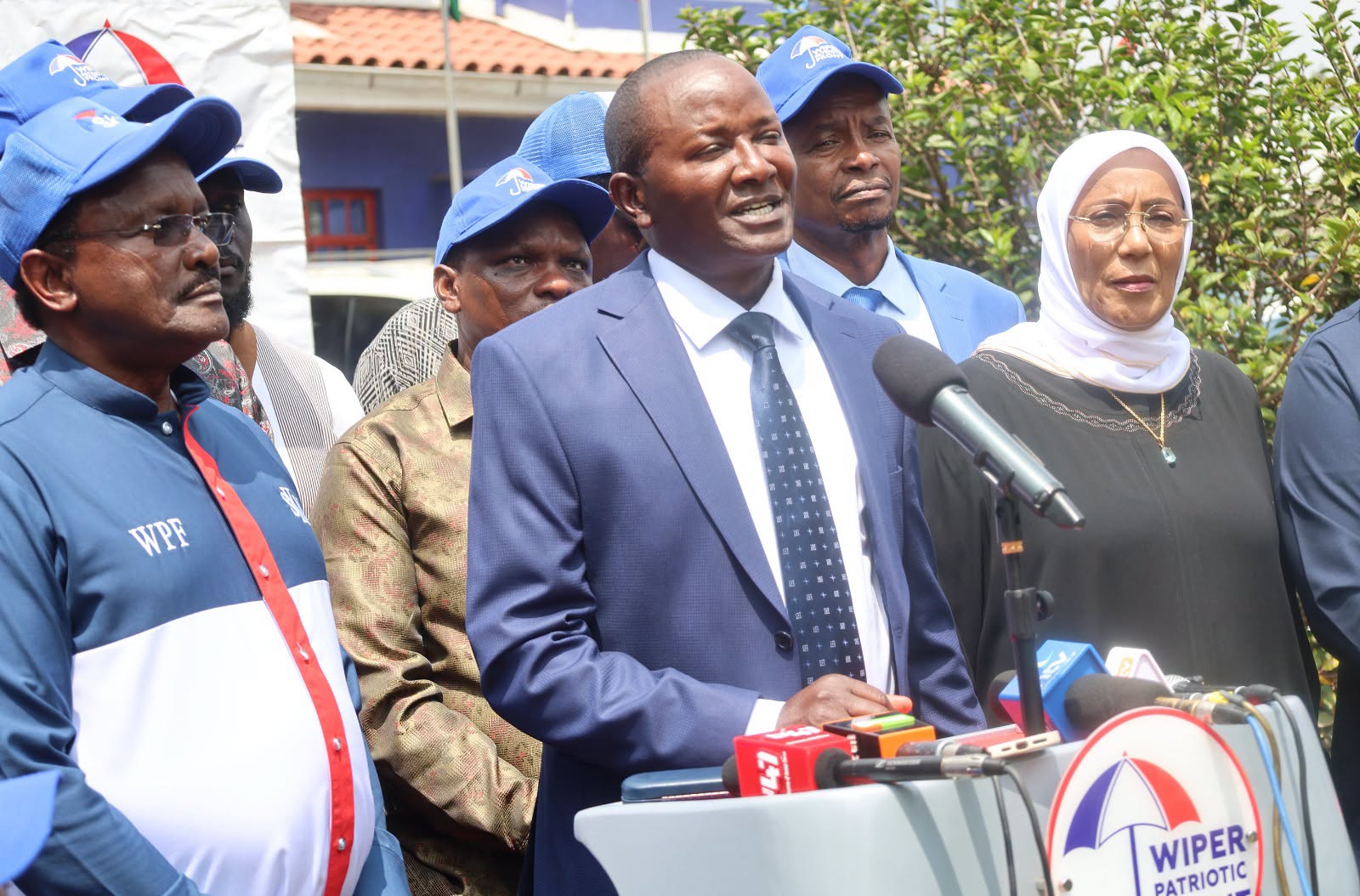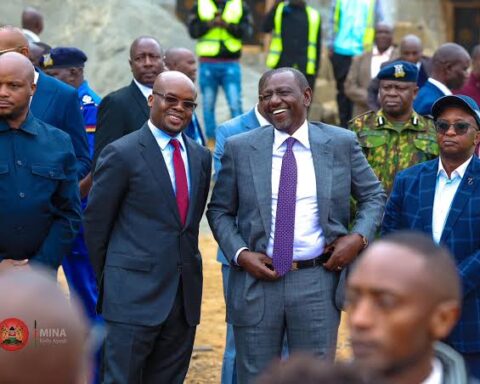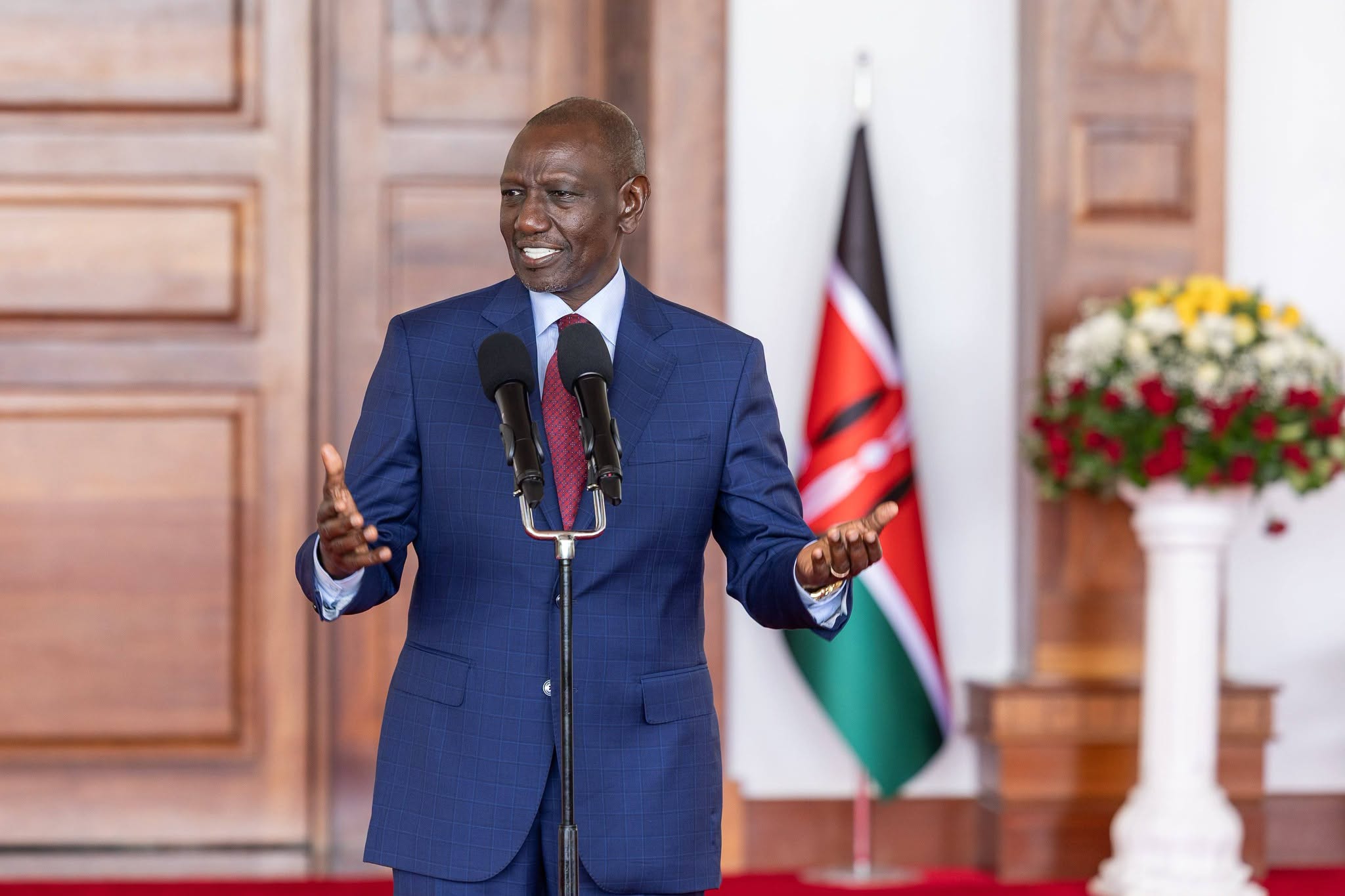

People around President William Ruto and DCP leader Rigathi Gachagua are beginning to whisper privately that the two men who turned their political marriage into one of Kenya’s most bitter divorces may be finding their way back to the negotiating table.
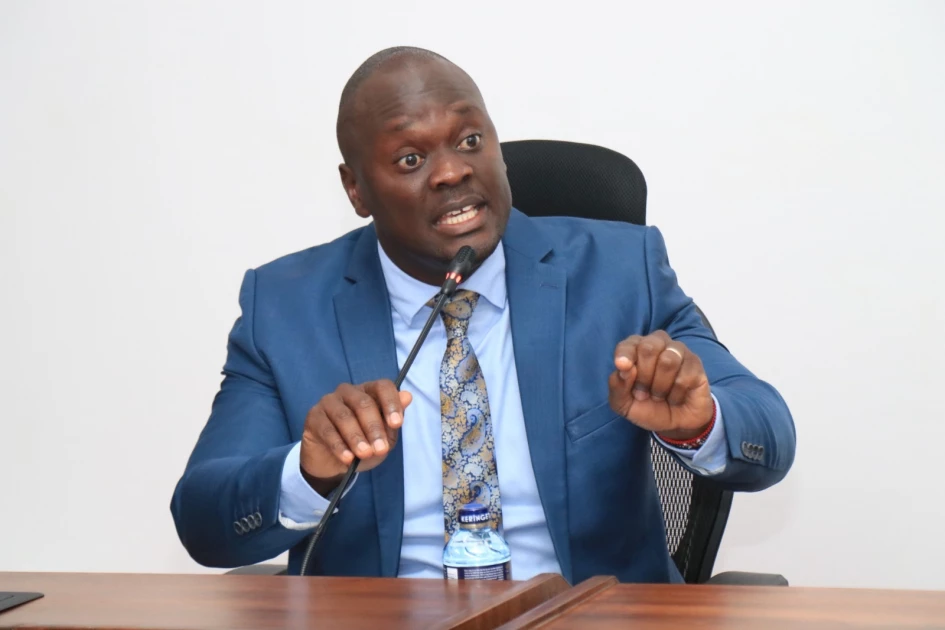
Former CS Moses Kuria has now given those whispers a political shape, challenging Gachagua to take a public Bible oath that he has neither entered into, nor intends to enter into, any political agreement with Ruto before the 2027 General Election.
Kuria wants Gachagua to appear before the Moderator of the Presbyterian Church of East Africa, accompanied by his wife, Pastor Dorcas Rigathi, lift the Bible before television cameras and swear that there is no deal with Ruto and that none will be made before August 10, 2027.
It is a theatrical challenge, but behind the theatre lies a serious question about the mathematics of 2027.
President’s Kalenjin allies say the Head of State should not completely destroy Mt Kenya for the unreliable Luo vote in 2027. Ruto won the 2022 election with 7,176,141 votes against Raila Odinga’s 6,942,930, a national margin of only 233,211 votes.
In 2022, the Mt Kenya bloc was among Ruto’s biggest electoral engines. Across the 10 counties commonly grouped within the region, there were roughly 5.7 million registered voters, and Ruto secured about 2.94 million votes against roughly 847,000 for Odinga.
In Kiambu, Ruto received 606,429 votes against Raila’s 210,580. In Murang’a, Ruto had 343,349 against Raila’s 73,526.
The four principal Nyanza counties, Siaya, Kisumu, Homa Bay and Migori, had roughly 2.16 million registered voters in 2022. Raila dominated them, taking about 371,000 votes in Siaya, 420,000 in Kisumu, 400,000 in Homa Bay and 294,000 in Migori. Ruto’s corresponding totals were approximately 4,300, 10,000, 3,500 and 52,500.
This is where the argument being made inside Ruto’s political circles becomes interesting.
They say Nyanza can deliver a remarkably concentrated vote. But it cannot, by itself, replace what Ruto obtained from Mt Kenya in 2022. Even if a Rutoe were to sweep the four Luo-majority counties, the arithmetic would still leave a substantial gap that must be filled elsewhere.
Even though Nyanza’s political influence is enormous, without joining hands with Western Kenya and the Gusii, its numerical ceiling is considerably lower than that of the larger Mt Kenya and Rift Valley blocs, President Ruto has been told. There is another complication.
Raila Odinga’s death has also fundamentally altered the political landscape in the region. The old Nyanza equation, in which the region’s presidential vote could be understood through Raila’s personal political machinery, cannot simply be carried into 2027.
Whoever eventually claims the Luo Nyanza vote will have to negotiate with a political base that no longer revolves around the man who commanded more than 98 per cent of the presidential vote in Siaya, Kisumu and Homa Bay for the last 30 years.
For Gachagua, however, any deal with Ruto would carry its own political cost.
He has spent nearly two years telling the Mountain that Ruto betrayed the region, that Mt Kenya was taken for granted and that the community must reclaim its political bargaining power. A handshake with Ruto without a compelling explanation would therefore be difficult to sell to a constituency that has already invested heavily in the politics of separation.