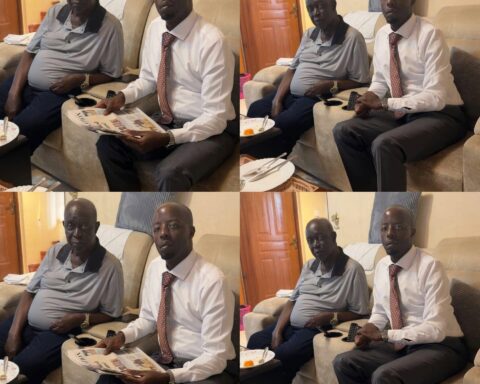

In the news today, President William Ruto has delivered a personal apology to the family of Rex Kanyike Masai, the young Kenyan who was fatally shot during the anti-Finance Bill protests in Nairobi in June 2024.
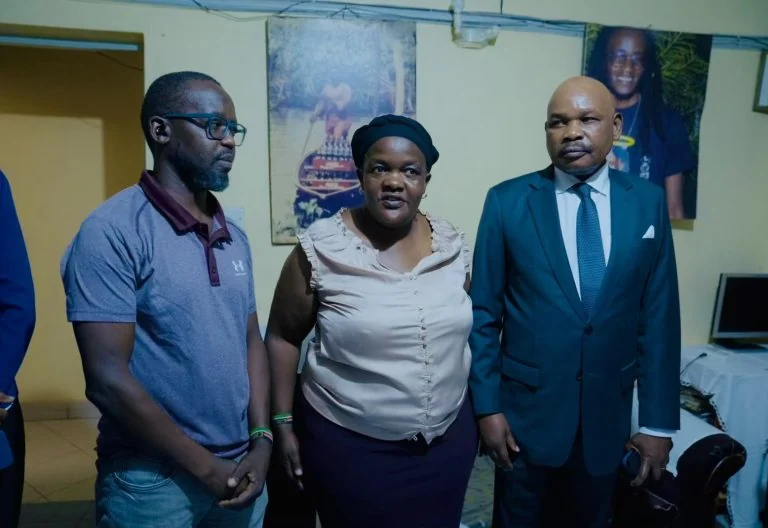
The apology was conveyed on Thursday, October 29, 2026, by a delegation from the Panel of Experts on Compensation of Victims of Protests and Riots, led by its chairperson, Professor Makau Mutua, during a visit to Masai’s mother at her home in Kayole, Nairobi.
The panel said it delivered both the President’s personal apology and an apology on behalf of the State for the family’s loss.
“Prof. Makau Mutua, Chair of the Panel, and the Panel members paid a visit to Mama Rex Masai in Kayole today, delivering the President’s personal apology as well as the State’s to the family for their loss,” the panel said in a statement shared on X.

Representatives of the Independent Policing Oversight Authority (IPOA) and the Kenya National Commission on Human Rights (KNCHR) also attended the visit.
The panel said the engagement reaffirmed the importance of justice, healing, national reconciliation and the ongoing compensation process.
Rex Masai’s death during Gen Z protests
Masai was killed on June 20, 2024, during demonstrations in Nairobi against the Finance Bill 2024, which proposed tax measures that sparked widespread opposition, particularly among young people.
His death became one of the defining cases associated with the Gen Z-led protests and triggered demands for investigations into police conduct and accountability for demonstrators who were killed or injured.
The latest visit by the presidential panel brings renewed attention to the family’s long wait for answers following the fatal shooting.
Apology comes amid government compensation process
The apology comes as the government continues a compensation programme for people killed, injured or otherwise affected by protests and riots.
President Ruto established a framework for compensation in August 2025, with Professor Mutua designated to coordinate the initiative.
The framework was intended to provide redress to victims of demonstrations and public protests, including civilians and security personnel who lost their lives or suffered bodily harm.

The compensation initiative has been presented as part of broader efforts towards healing and reconciliation. However, families of victims and human rights advocates have continued to stress that financial compensation must not replace investigations, accountability or access to justice.
The panel said more than 1,000 victims had received compensation, with approximately Ksh1.2 billion disbursed from the Ksh2 billion framework. The panel has also emphasized that compensation alone cannot address every aspect of the harm suffered.
Beyond this humanitarian action, the bigger issue is to make sure that the compensation process is not closed down with time limits which seemed to be the case a few days ago when Prof. Makau Mutua gave November 14, 2026 as the final day for all compensation applications.
Let Kenyan human rights organizations like KNCHR already working with the government on the compensation process work out a plan to complete the process with fairness to all victims.
Adongo Ogony is a Human Rights Activist and a Writer who lives in Toronto, Canada