

The strength of Kenya has always rested in its diversity. A nation built by many communities, cultures and identities working toward a shared future.
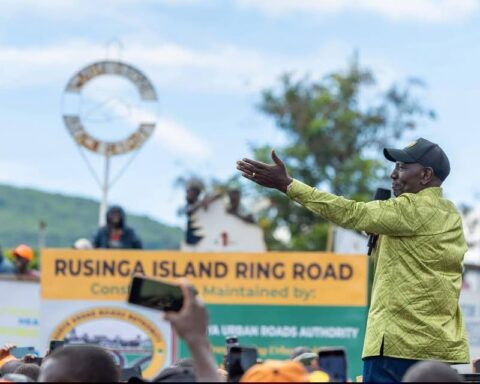
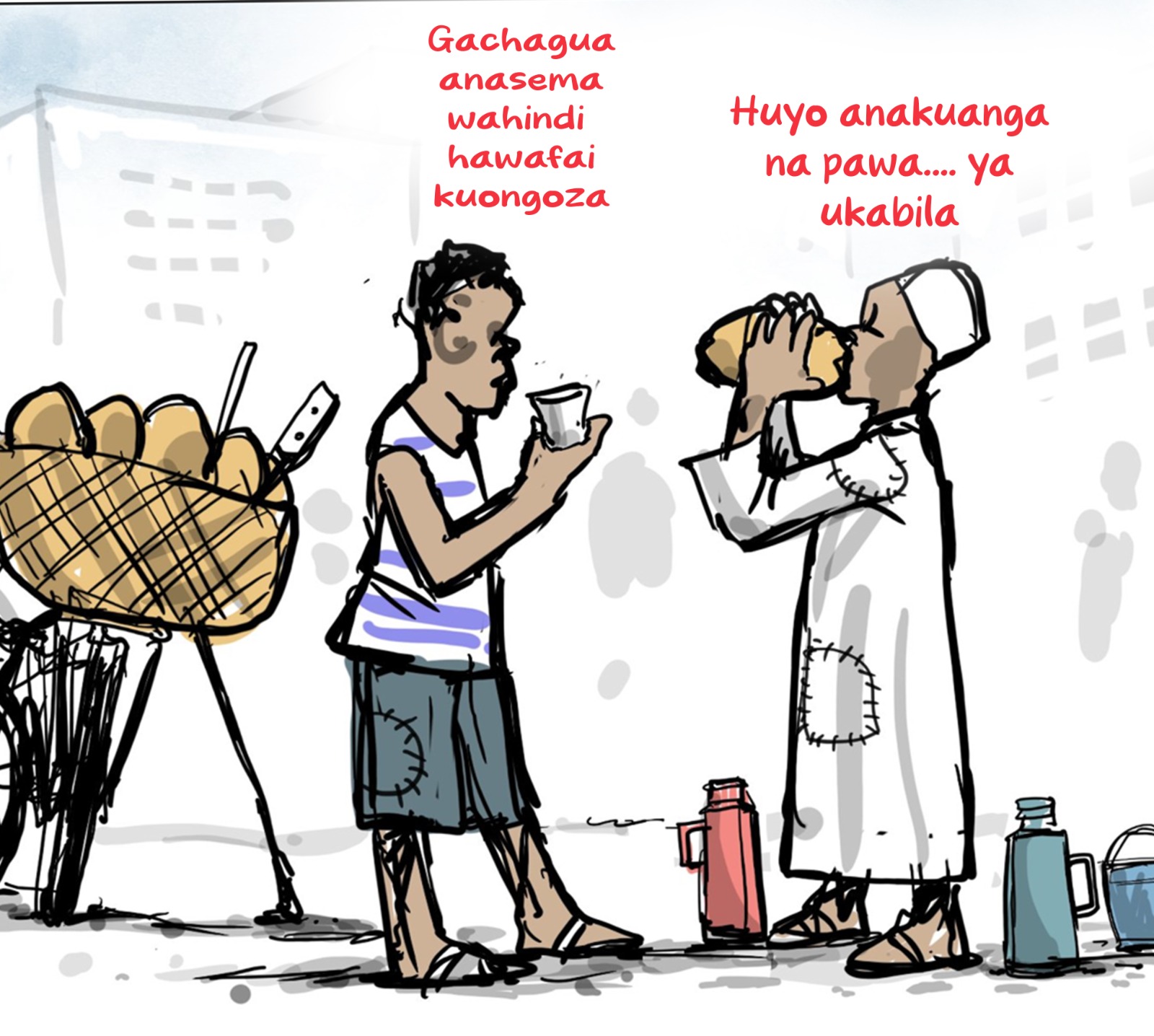
Yet yesterday’s remarks in Kisii by former Deputy President Rigathi Gachagua sparked renewed concern that sections of the political class remain stuck in the politics of division. His comments, widely interpreted as profiling Nyaribari Chache MP Zaheer Jhanda over his Asian heritage, ignited a debate far bigger than a single rally.
At the centre of the controversy was the suggestion that identity should shape political legitimacy. But Kenyan democracy has evolved beyond such narrow definitions of belonging. Jhanda’s election was not symbolic. It was a clear will of voters who evaluated his leadership and chose him to represent their interests. Questioning that choice through an ethnic lens risks undermining both the leader and the electorate.
More importantly, the episode exposed a widening gap between political rhetoric and public priorities. Across the country, citizens are grappling with economic pressure, unemployment and the rising cost of living.
Young voters, in particular, are less interested in ethnic narratives and more concerned with opportunity and governance. When leaders revert to identity-based messaging, they appear disconnected from these realities.
Kenya’s history offers painful reminders of the dangers of tribal politics. That is why the Constitution emphasizes equality, citizenship and inclusion as core national values.
Leaders are expected to reinforce these ideals, not challenge them.
The Kisii incident therefore serves as a moment of reflection. In a rapidly changing Kenya, political relevance is increasingly tied to the ability to unite diverse communities and address shared challenges. Voters are sending a clear signal: the future belongs to leaders who build bridges, not walls, and who speak the language of inclusion rather than exclusion.