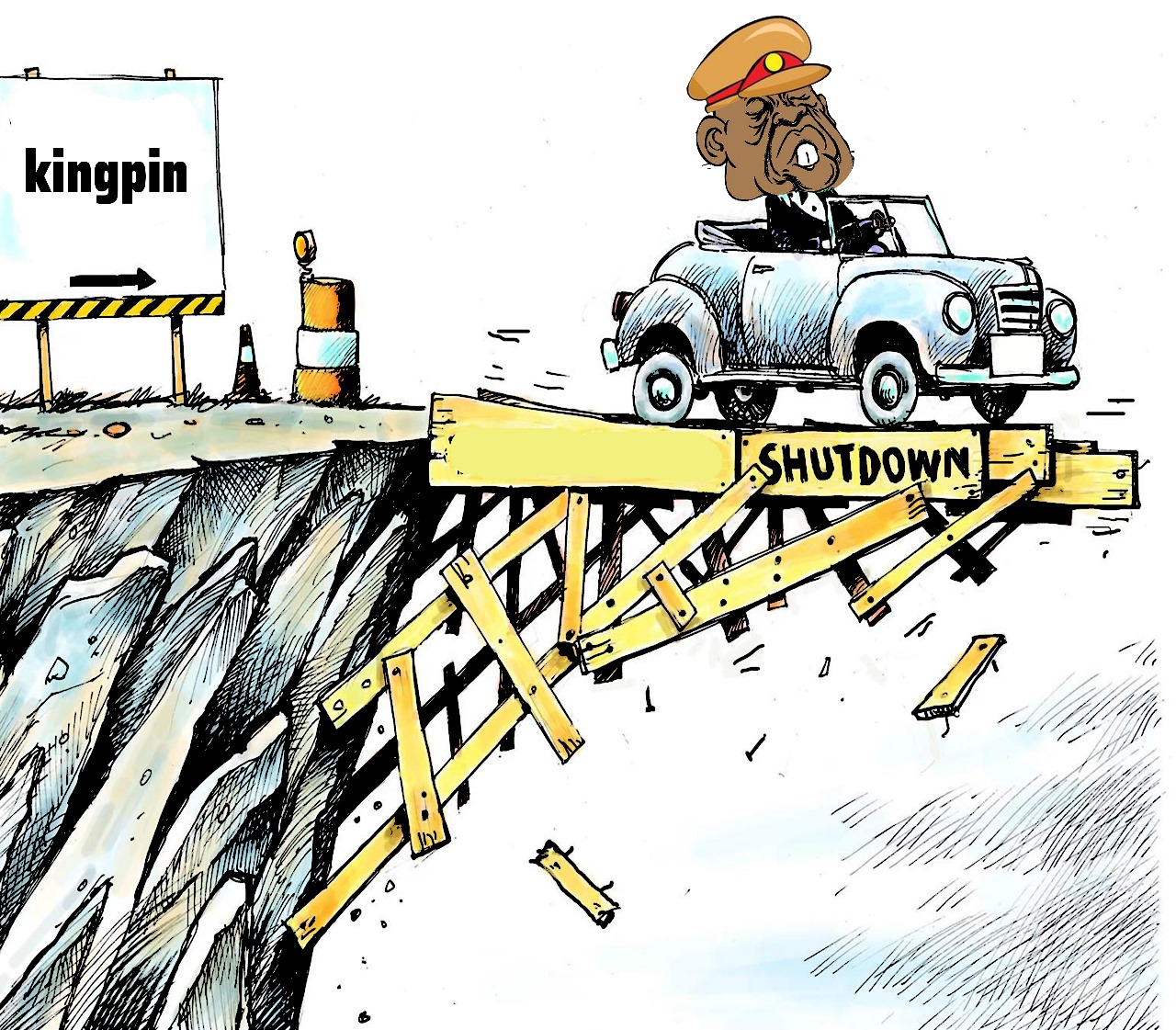


Over the past year, impeached DP Rigathi Gachagua’s political star has dimmed significantly. What began as a loud, slogan-driven style of politics has gradually collapsed under the weight of internal battles, public missteps, and a growing perception of inconsistency.
Political analysts now agree that 2024–2025 has been one of the toughest stretches for Gachagua, with his popularity sliding both within Mt. Kenya and across the national stage.
A Year of Reckless Rhetoric
One of the biggest contributors to Gachagua’s decline has been his own words. His frequent off-the-cuff remarks often abrasive, confrontational, or poorly timed have steadily eroded public confidence. What was once dismissed as “boldness” or “authenticity” is now increasingly viewed as recklessness.
Instead of offering policy direction or development agenda, Gachagua leans heavily on colourful phrases, jokes, and slogans. But as national frustrations grow, voters have become less receptive to leaders who appear to trivialize serious issues. The political environment has shifted toward solutions, not soundbites and Gachagua has struggled to adjust.
A Leader Without a Clear Agenda
More than anything, Gachagua’s lack of a coherent political or economic agenda has weakened his standing. While other national and regional figures push development plans, economic proposals, and governance reforms, Gachagua often remains stuck in personality politics.
His approach revolves around theatrics rather than thought-out policy. As Kenyans demand clarity on jobs, cost of living, and development, Gachagua’s messaging increasingly feels out of touch, even to his own supporters.
Perpetual Fighting Mode: Everyone Is an Enemy
Another major factor in his decline is the long list of conflicts he has picked over the year:
Fighting fellow Mt. Kenya leaders: Instead of building a united regional front, Gachagua has clashed with almost every significant leader from the mountain from Kindiki to younger MPs. This has weakened his claim to regional kingpinship.
Fighting the media: Regular attacks on journalists and media houses have only amplified the perception of a leader unwilling to accept scrutiny or alternative views.
Fighting anyone who disagrees: From civil society to political allies, Gachagua’s confrontational style has pushed many potential supporters away. In a country where coalition politics thrives on negotiation and compromise, this approach has proven counterproductive.
The Mbeere By-Election Defeat: A Turning Point
The clearest sign of Gachagua’s shrinking influence was the Mbeere by-election, where he went head-to-head with DP Kithure Kindiki. Despite putting his full weight behind the race rallies, mobilisation, slogans, and personal appeals Gachagua lost.
Kindiki’s now-famous “wewe Goliathi, nitapita na wewe” moment became symbolic: a younger, calmer, more strategic leader publicly outmanoeuvred him. For many Mt. Kenya voters, this was the moment the political centre of gravity shifted.
Isolation Within the Opposition and Beyond
In politics, isolation is a red flag and Gachagua is experiencing it firsthand. Key leaders who previously interacted with him have been distancing themselves:
Fred Matiang’i avoids any political alignment with him.
George Natembeya has made it clear he will not engage in Gachagua-style political theatrics.
Even leaders in opposition coalitions treat him with caution, wary of being associated with his controversies.
When leaders across the political spectrum allies, rivals, or neutrals all pull away, it signals a serious credibility problem.