
Rigathi Gachagua may have walked into a political trap of his own making by welcoming into DCP the very MPs he spent months trying to politically destroy.
On the surface, the former Deputy President appears to be winning. Sitting MPs are crossing over to his party, giving DCP a parliamentary presence and strengthening its claim to be the dominant political vehicle in Mt Kenya. But there is another way of reading these defections, one that Gachagua may want to consider carefully.
Unlike other ordinary political aspirants looking for a party to shelter their ambitions, the UDA defectors are sitting MPs with the advantages of incumbency, established constituency networks, financial muscle and political structures built over years. They have constituencies to defend and, unlike many of the politicians seeking office in 2027, they have the resources and political experience to explore alternative routes if their current arrangement collapses. And they know Gachagua.
They have seen what happens to politicians who fall out with him and they remember the Tukunia labels, the rallies organised against them, and the extraordinary demands that voters deny them even 200 votes in 2027. They have also seen how quickly yesterday’s political enemies can become today’s allies. It would therefore be naive to assume that these MPs are joining DCP without making their own calculations.
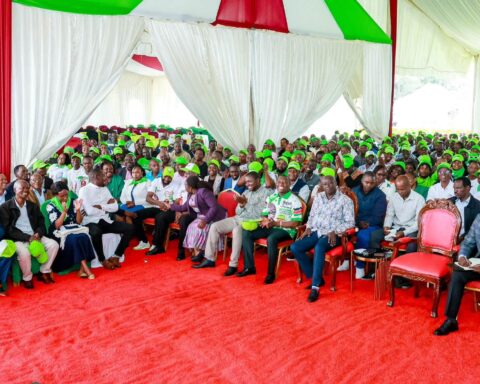
Three lawmakers, Gatundu South MP GG Kagombe, Laikipia West MP Wachira Karani and Nyeri Woman Representative Rahab Mukami, have formally left UDA and joined Rigathi Gachagua’s DCP in a political move announced at Wamunyoro.
In fact, Gachagua may have handed them four very valuable months. Between now and the party nominations in March, the defectors have an opportunity to rebuild their standing in Mt Kenya, reconnect with voters and establish themselves within the opposition without the political stigma that previously followed them.
Remember, Gachagua himself has helped accomplish this rehabilitation. Welcoming these leaders into DCP has effectively told the same electorate he mobilised against them that they are now acceptable political partners.
Suppose March arrives and Gachagua decides to deny some of them DCP tickets in favour of his preferred candidates. What happens? The MPs can walk away, seek alternative political vehicles, defend their seats elsewhere, and return to the electorate as politicians already welcomed back into the opposition fold. They will not be returning as the political outcasts Gachagua once portrayed them to be.
The DCP leader will have a difficult time resurrecting the Tukunia narrative against people he personally received, embraced and legitimised. A political arithmetic that makes the defections particularly interesting. The MPs need DCP, but DCP may also need them. They bring parliamentary numbers, constituency networks and electoral credibility. They are not joining as political dependents who have nothing to lose if the relationship turns sour. They have options.
And one suspects they are sufficiently familiar with Gachagua’s politics to understand that a warm reception at Wamunyoro today is no guarantee of a nomination ticket tomorrow. Some may already be quietly considering alternative political homes should the March exercise turn hostile.
Gachagua, meanwhile, risks creating a rather uncomfortable situation for himself. If he gives them tickets, he must accommodate politicians he previously sought to eliminate from Mt Kenya politics. If he denies them tickets, he risks losing sitting MPs who will leave with their political reputations considerably cleaner than when they arrived.
Either way, the Tukunia weapon has lost much of its usefulness.