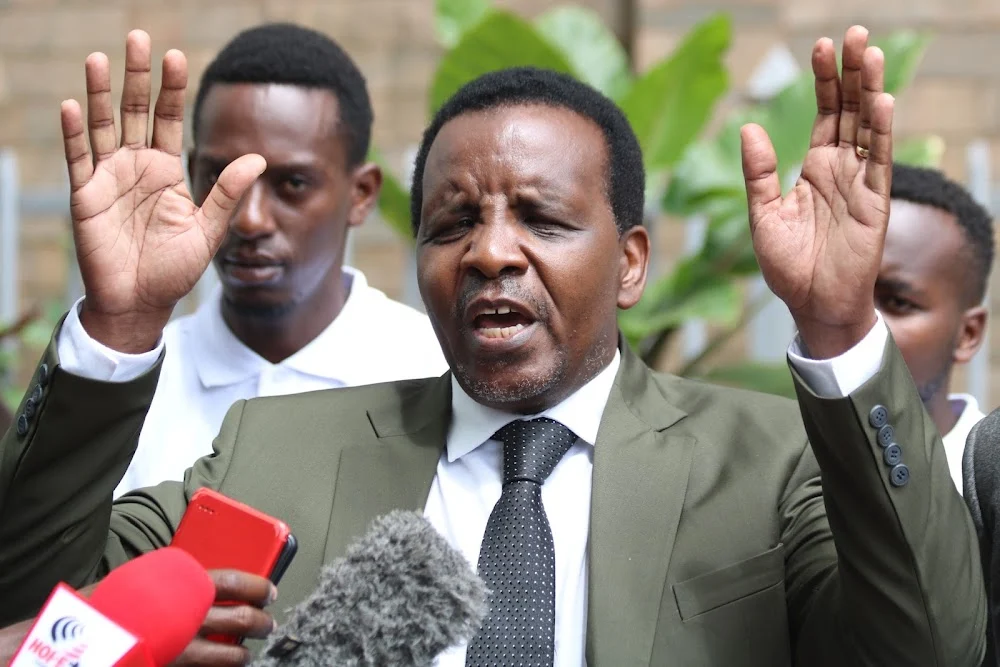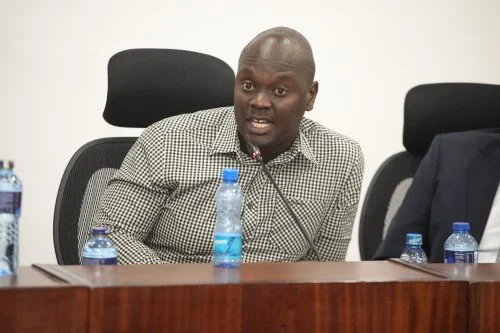


Kitutu Chache South MP Anthony Kibagendi has been allowed to resume his parliamentary duties after the High Court temporarily lifted a decision by National Assembly Speaker Moses Wetang’ula to bar him from the House.
In orders issued on Thursday, Justice Bahati Mwamuye directed that the legislator be reinstated pending the hearing and determination of a case he filed challenging his suspension. The ruling effectively restores Kibagendi’s access to parliamentary proceedings, including committee sittings.
“Pending the hearing and determination of this suit, the applicant is hereby allowed to access Parliament and continue discharging his duties as a Member of Parliament,” the court ruled.
The judge also barred the Speaker and the National Assembly from taking any further disciplinary action against the MP in relation to the disputed matter.
Lawyers representing the Speaker had sought to have the case dismissed, arguing that the court lacked jurisdiction to interfere with internal parliamentary processes, citing the doctrine of separation of powers.
However, Justice Mwamuye rejected the objection, stating that the case raises constitutional issues concerning the rights of the legislator and the representation of his constituents. The court observed that barring the MP from Parliament could deny residents of Kitutu Chache South their right to representation.
Dispute Over Suspension
Kibagendi moved to court through his lawyer, Ombui Ratemo, after being suspended and denied access to the precincts of Parliament.
The disciplinary action stemmed from remarks he made during a television interview, where he questioned the independence of Parliament and the leadership’s ability to safeguard the institution’s autonomy.
In response, Speaker Wetang’ula ruled that the comments were inappropriate and directed that the MP be locked out of House proceedings and committee sittings until he issued an apology.
In his petition, Kibagendi argues that the Speaker’s decision was unconstitutional and violated due process. His legal team contends that the Parliamentary Powers and Privileges Act does not apply to statements made outside Parliament and therefore could not lawfully be used to punish him.
The case will proceed to a full hearing to determine whether the Speaker’s directive was lawful and whether the MP’s constitutional rights were infringed.