
KNCHR identifies 1,563 victims in 5pm tally on deadline day April 3, 2026
The Kenya National Commission on Human Rights (KNCHR) has identified 1,563 victims and survivors of human rights violations as part of the ongoing development of a national framework for compensation and reparations.
The update, issued on Friday, April 3, 2026, follows a nationwide call for survivors and families of victims to submit information to facilitate verification and inclusion in the reparations programme.
According to KNCHR, the list compiled by 5:00 pm on the deadline day is currently undergoing verification in line with the eligibility criteria outlined in the Gazette Notice and Presidential Proclamation, which require the Commission to submit a report and reparations framework within 60 days.
The identified cases fall under various categories of gross human rights violations, including extrajudicial killings, torture, abductions and enforced disappearances, sexual and gender-based violence, evictions, loss of property, and loss of livelihoods.
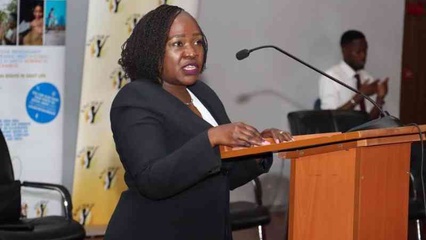
In a statement, KNCHR Chairperson Claris Ogangah said the Commission had made significant efforts to reach victims across the country despite limited resources.
She noted that while progress had been made in compiling the list, challenges remain in reaching victims who were unable to physically visit the KNCHR offices.
“Likewise, the Commission has been unable to conduct stakeholder outreach and public participation on the proposed Reparations Framework,” the Commission also acknowledged.
KNCHR emphasised that reparations must be accessible to all Kenyans and that public participation remains a constitutional requirement in the development of the framework.
KNCHR has now called on the National Treasury of Kenya to urgently release funds to support the verification process and enable the Commission to complete the remaining phase of the exercise within the stipulated 60-day timeline.
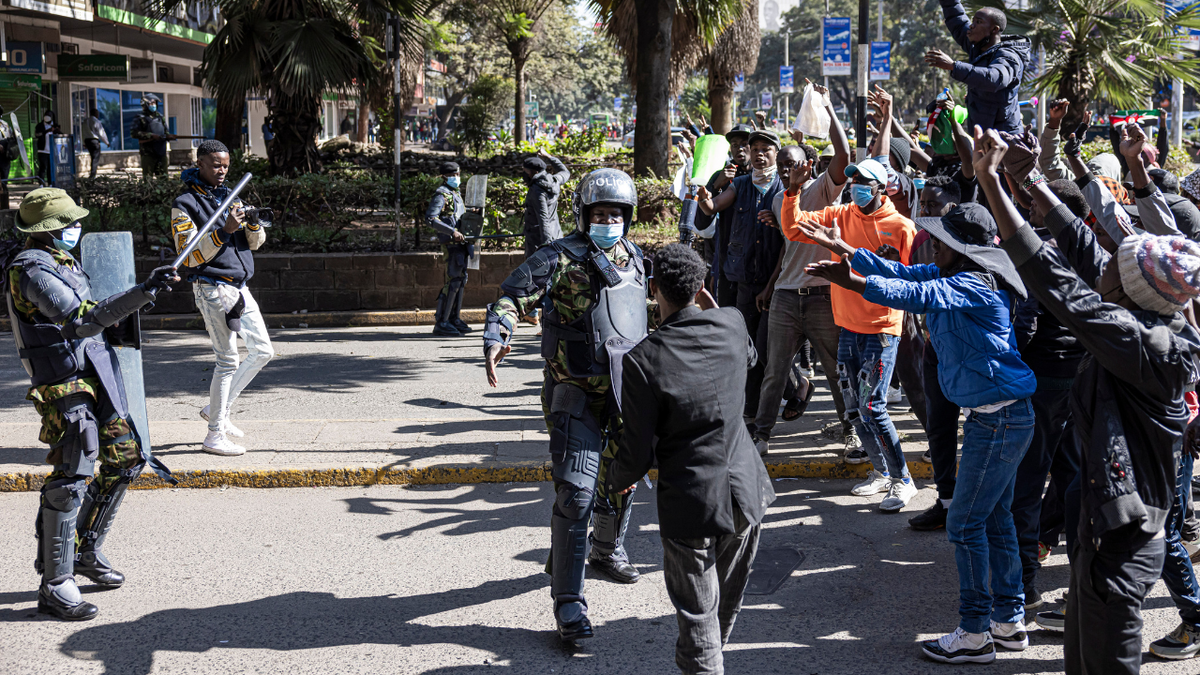
“The KNCHR reminds Parliament and the Executive of their primary obligation to ensure that the Commission is optimally resourced to effectively discharge its constitutional mandate,” the commission further urged.
Despite the April 3 deadline for submission of information for the initial list, KNCHR clarified that reporting of human rights violations remains ongoing and that reparations will be a continuous process.
Families of victims, survivors, and members of the public have been encouraged to continue reporting violations through the Commission’s offices and communication channels.
Submissions can be made at the KNCHR Head Office, located on the first floor of CVS Plaza, Kasuku Lane, off Lenana Road, or through the official website, email, SMS, WhatsApp, toll-free line, and telephone.
Regional offices in Nyahururu, Mombasa, Kisumu, Kitale, Wajir, Isiolo, Garissa, and a satellite office in Kajiado are also available for support.
The Commission reiterated that it remains committed to ensuring justice, accountability, and support for victims of human rights abuses, noting that the identification of 1,563 victims marks a significant step toward establishing a comprehensive national reparations framework.
One of the really helpful things KNCHR has done for the victims is to set up regional offices in seven locations around the country. That really helps victims who cannot make it to KNCHR Nairobi offices.
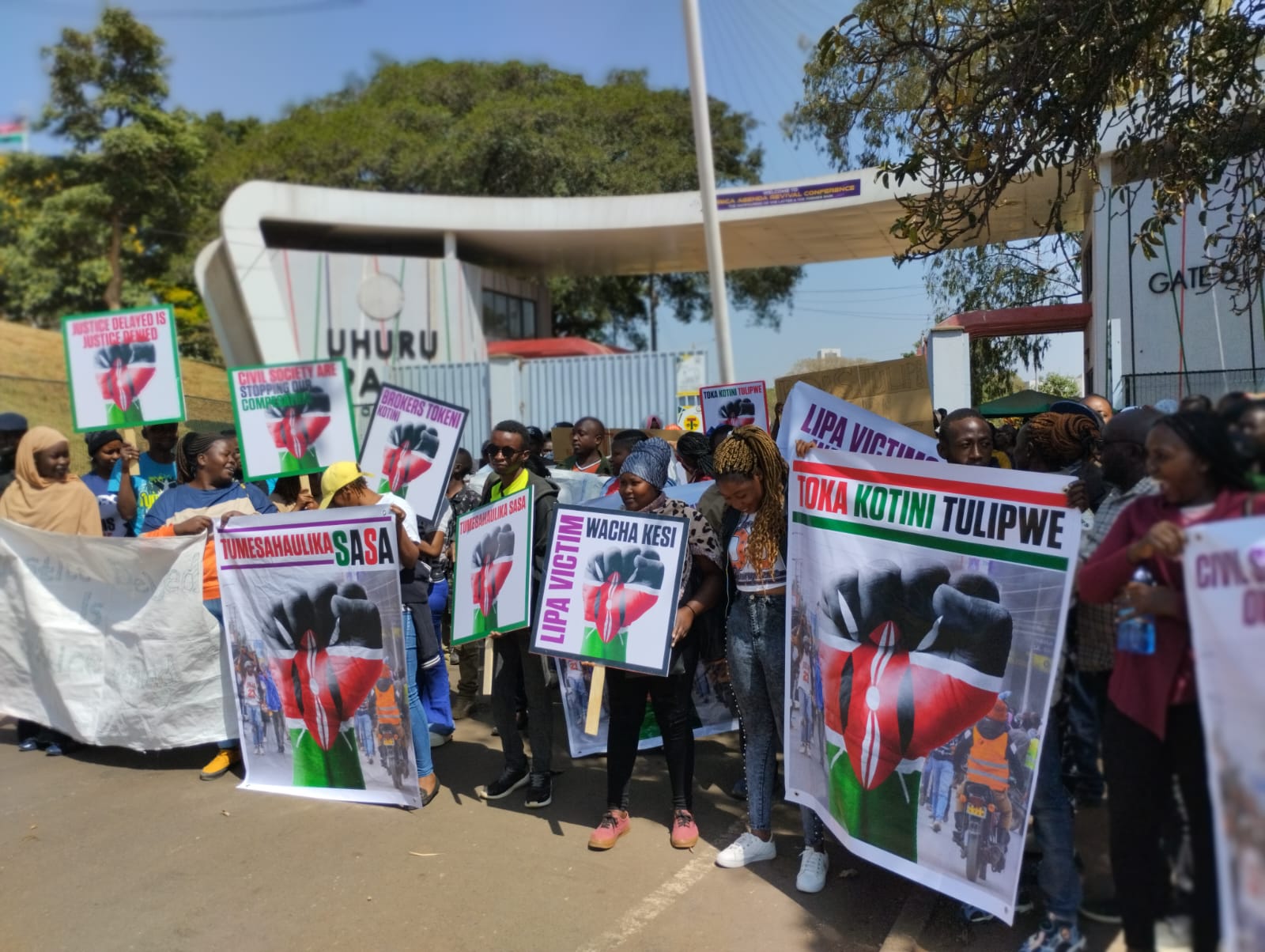
The next thing is to deal with the government funding for KNCHR outreach to Kenyans to report and document cases of state violence against them and their family members who were killed by Kenyan police.
The compensation of victims of state violence cannot be reduced to a quick fix by the Ruto government to say everything is done and 1,600 people have been and that is the end of the story.
If KNCHR has any evidence that there are more victims in the country who could not provide their cases by April 3, 2026, there has to be a plan to extend that deadline and make things work faster.
The other key issue KNCHR has raised is that they want public participation during the whole process which is part of the constitution in Kenya today.
Let the victims of state violence and their families talk to Kenyans in meetings across the country so we can figure out as a country what the problem is and how to stop it completely.
If the country has had paranoid thugs running the country for the last 15 years, killing Kenyans, then the country needs to define that problem and find a solution for it which they will as citizens of the country. ICC could not do that for Kenyans and we have to that for ourselves.