
KNCHR begins process to develop reparations framework for victims of human rights violations
The great news for victims of state violence in Kenya is that the promised compensation process is no longer just statements and media reports, but that KNCHR which is the primary body assigned the task of processing the compensation both by law and by the gazette from President William Ruto is working now with the victims and their families to get things done properly for everybody.
Just today, the Kenya National Commission on Human Rights has begun developing a national framework to guide compensation and reparations for victims of human rights violations.
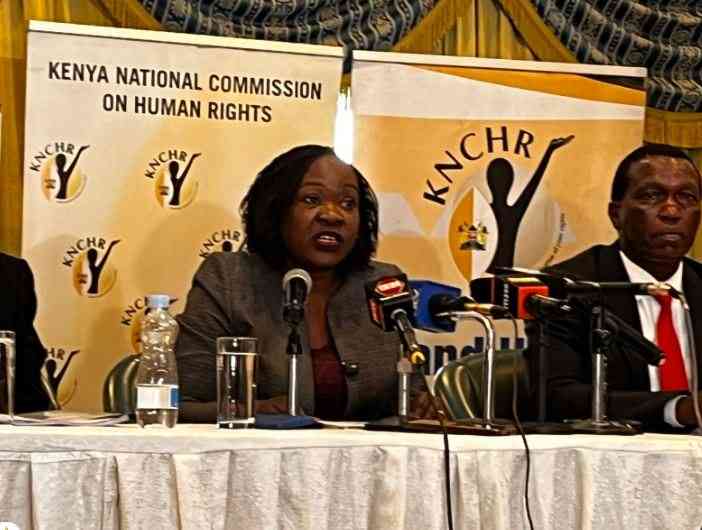
KNCHR chairperson Claris Ogangah said the commission has already started technical work to design what she described as a transparent and comprehensive process for victims and survivors.
Ogangah said the commission wishes to inform the public, victims and survivors that the process of developing a “Framework for Compensation and Reparations to victims of human rights violations” is underway.
She said the commission has initiated internal technical work and begun identifying areas most affected by protest-related and other violations.
According to Ogangah, KNCHR has also started engaging key stakeholders to ensure a credible framework that will guide a transparent and accountable reparations process.
“This work follows the landmark Judgment of the High Court in Kerugoya (Petition E010 of 2025 – consolidated) delivered on December 4, 2025, which affirmed the Commission’s constitutional mandate under Article 59 of the Constitution and the KNCHR Act, 2011, to design a reparations framework for human rights violations,” she said.
Ogangah said the process also follows a proclamation and gazette notice issued on March 6, 2026, by President William Ruto.
The notice, issued pursuant to Article 254(2) of the Constitution, requires KNCHR to submit a report containing a framework for compensation and reparations to victims within sixty days.
The commission acknowledged the pain and uncertainty experienced by victims and their families, as well as the concern that reparations have taken too long.
Ogangah said KNCHR reassures all affected persons that it remains committed to delivering what she described as “a human rights-based Compensation and Reparations Framework.”
She emphasised that financial compensation is only one part of reparations.
“At the same time, KNCHR emphasises that compensation, while important, is only one form of reparations,” she said.
Ogangah explained that an effective programme must include several elements.
These include compensation, restitution, rehabilitation, satisfaction and guarantees of non-repetition.
Restitution focuses on restoring rights and status where possible, while rehabilitation includes medical and psychosocial support.
Satisfaction may involve acknowledgement, apology, memorialisation and truth-telling. Guarantees of non-repetition include institutional reforms aimed at preventing similar violations in the future.
The commission has also adopted what Ogangah described as a clear roadmap for developing both a Reparations Policy and a Reparations Bill.
The roadmap includes the formation of technical committees bringing together KNCHR commissioners and staff, state institutions, independent oversight bodies, civil society organisations and representatives of victims and survivors.
KNCHR will submit its final report containing the reparations framework to the President as required under Article 254(2) of the Constitution and Section 53(3) of the KNCHR Act.
Ogangah said the process will be guided by national values and principles of governance, including public participation.
She said details of stakeholder engagements will be communicated through public notices, the KNCHR website, official social media platforms and face-to-face forums.
“The Commission will continuously update the public on progress through the media and community-level engagements,” she said.
The commission has also urged Parliament and the National Treasury to approve and release the funds required to support the process.
“The KNCHR reiterates its unwavering commitment to the rule of law, safeguarding human rights, and securing appropriate redress for all victims and survivors in line with international human rights principles and standards,” Ogangah said.
The commission has asked victims of human rights violations, including those affected during protests and demonstrations, to report their cases and submit supporting documents for verification by April 3, 2026.
Victims can contact KNCHR through SMS, telephone, email or visit the commission’s head office in Nairobi and its regional offices across the country.
There is no need at this time go over everything, but the important aspect is that KNCHR is on the job and they need every support and help from Kenyans just as the victims too need everybody to help them try putting an end to the trauma they have been dealing with by getting the matter addressed by the appropriate bodies.
One thing of note could be the time frame where KNCHR needs the victims to report cases including supporting documents by April 3, 2026. That time range could be too short for many of the victims because getting documents from police stations and even hospitals alone could take weeks. I am sure KNCHR will get all these sorted out with the victims and their representatives.
The other issue with time constraint is that the compensation effort goes back to 2017 and it is going to be a little harder for those filing cases related to the abuse of human rights and police brutality going that far back and those victims also need to have some proof of abuse and that is going to be a very tough job to do and time may be needed for such cases.
We also have cases of abuse including violent murder of people like Albert Ojwang’ and others where there are ongoing court cases. In such situations the victims should be compensated like others and the criminal cases against those who killed people like Albert Ojwang’ and others should proceed to address criminal liability of those involved.
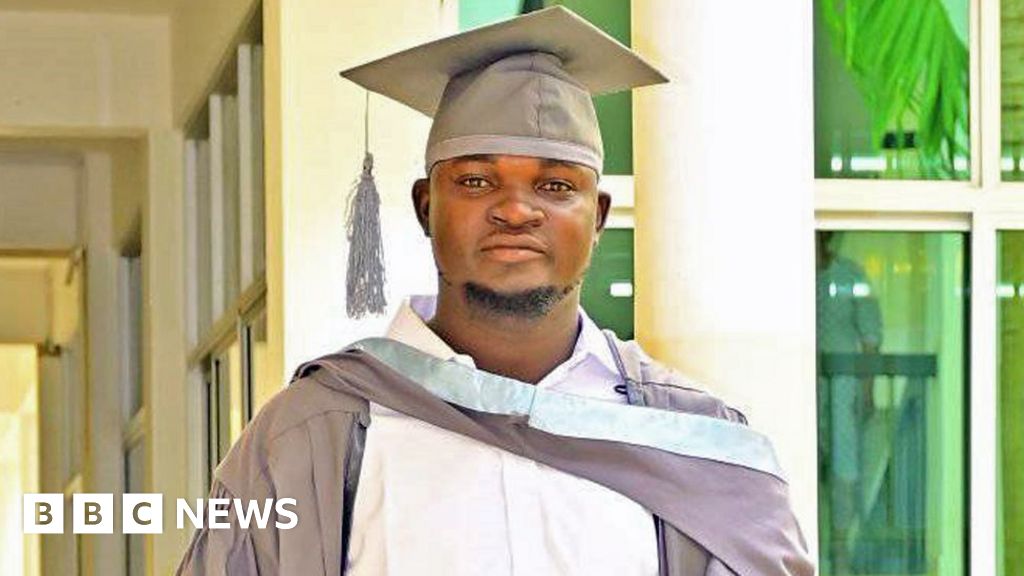
“My son died like an animal,” said Meshack Ojwang’, before breaking down in tears in front of journalists outside Central Police Station in Kenya’s capital, Nairobi.
His only son Albert Ojwang’ had been arrested in their village of Kakoth, near the western town of Homa Bay, the day before – Saturday 7 June 2025 – as he was having lunch with his wife Nevnina Onyango.
One of the five arresting officers told the family he was accused of insulting a police boss on social media.
“We asked the police if he was going to be safe, because we had heard stories of some people being abducted,” Ms Onyango told the BBC. “They assured us, at the point of even them giving us their [phone] numbers.”
Kenyans know what happened next to young Albert Ojwang’s at Central Police Station in Nairobi where he was slaughtered like an animal and his head blown to pieces on the wall at that police station.
Then we have the case of the Boniface Mwangi Kariuki shot to death point blank in his face by armed police officers while doing to his hawking job in Nairobi to make a living.

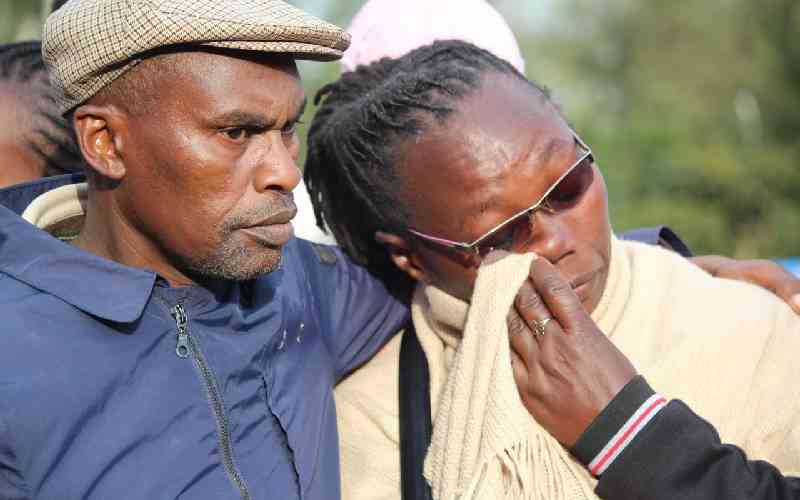
Boniface Kariuki parents were left shocked and traumatized and there has been justice in Boniface Mwangi Kariuki case. Let the criminal case go on without interfering with the family being able to access whatever compensation is deemed fitting for that gruesome murder of their son.
And the whole world knows about Baby Pendo and her family going way back to 2017 where the compensation journey for victims of state terror begins.
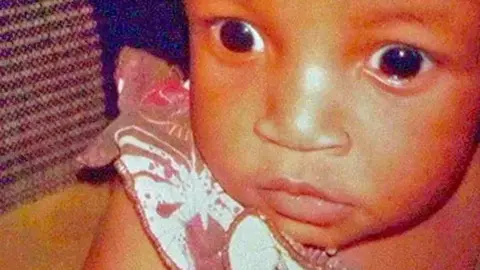
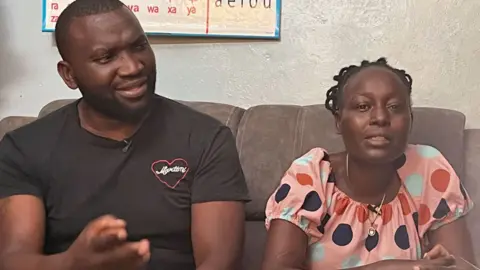
Nine years after their baby daughter was killed during a brutal midnight operation by police in Kenya at a time of post-election tension, Joseph Oloo Abanja and Lensa Achieng are still raw with emotion as the case against the alleged officers involved has once again been delayed.
“It is a scar that will never fade away,” Ms Achieng, a hotel worker, tells the BBC about the death of six-month-old Samantha Pendo who died with a broken skull and of internal bleeding.
KNCHR will figure out how to deal with compensations cases where there are also ongoing criminal cases in the courts system.
Overall, this is a great and timely start for KNCHR and Kenyans will appreciate that and do everything they can to make this whole process a success for the victims as well as the country.
KNCHR chairperson Claris Ogangah has also pointed out that KNCHR needs a budget to run the whole process and that comes from parliament and it should be done very promptly.
It is a good thing that KNCHR will include public participation in the process to provide the victims with the opportunity to talk to Kenyans and let the whole country engage in the process to make it better for all parties involved.